Updated July 5, 2026

Commercial Auto Insurance in Memphis
A tighter local market changes how you shop for fleet coverage. Some carriers are comfortable with a few owner-operated pickups or vans, but get more selective once your routes, parking locations, or driver mix look more complex. That is why commercial auto insurance in Memphis usually works better when your quote request is specific from the start: where vehicles are garaged, whether they stay inside Shelby County or cross state lines, who takes them home overnight, and what proof of coverage a customer, landlord, or contract partner wants to see before work begins. In a market tied to distribution, service calls, and daily delivery, underwriters pay attention to how often your vehicles are moving, stopping, backing, and loading. The goal is not a generic policy summary. It is a schedule and liability setup that matches how your business actually uses each unit. If you are renewing, gather current vehicle lists, driver information, loss runs, and any contract insurance requirements first, then compare terms before you replace or add vehicles.
Commercial Auto Insurance Risk Factors in Memphis
Memphis's top risk factors include Tornado damage, Hail damage, Severe storm damage, and Wind damage. Memphis's crime index of 104 (national avg: 100) increases vehicle theft risk, comprehensive auto coverage is important here. Tornado damage and Hail damage can cause significant vehicle damage, make sure comprehensive coverage is included.
Tennessee has a high climate risk rating. Top hazards: Tornado (Very High), Flooding (High), Severe Storm (High), Earthquake (Moderate). The state's expected annual loss from natural hazards is $1.8B, which influences commercial auto insurance premiums and may affect coverage availability in high-risk areas.
What Commercial Auto Insurance Covers
Commercial auto insurance in Tennessee starts with liability for bodily injury and property damage, and commercial vehicles must carry at least the state minimum. That minimum can satisfy the baseline requirement, but it does not replace the need to match limits to the way you use vehicles on Tennessee roads, especially if your routes include dense traffic in Nashville, freight corridors near Memphis, or storm-prone areas in Middle Tennessee. Collision helps pay for damage to your insured vehicle after an accident, while comprehensive is the part that matters when tornadoes, hail, flooding, theft, or other non-collision losses affect a van, truck, or company car. Because Tennessee faces elevated tornado risk and recent severe storm declarations, comprehensive is an important decision point for many businesses that park vehicles outdoors or operate in exposed areas.
If employees drive their own cars for errands, client visits, or deliveries, hired and non-owned auto coverage can help close a gap that a standard policy may not fill on its own. It may also help cover rented vehicles used for business. Uninsured motorist protection may be required in Tennessee, and that matters in a state where roughly one in five drivers lacks insurance, meaning your policy may have to step in when the other driver has none. Medical payments and uninsured or underinsured motorist coverage can also be part of the policy design. Coverage decisions should line up with vehicle registration and how the vehicle is actually used. A local policy review should also account for whether you need coverage for one vehicle or a fleet, because endorsements and limits vary by operation.
Coverage Included

Bodily Injury Liability
Covers injuries you cause to others in an accident

Property Damage Liability
Covers damage you cause to others' property
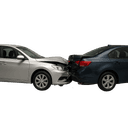
Collision Coverage
Pays for damage to your vehicle in an accident

Comprehensive Coverage
Covers theft, vandalism, weather, and animal damage

Medical Payments
Covers medical costs for your drivers and passengers

Uninsured Motorist
Protection when the other driver lacks insurance

Hired & Non-Owned Auto
Covers rented or employee-owned vehicles used for work
Commercial Auto Insurance Cost in Memphis
Average Cost in Tennessee
$130 - $380
per month
Businesses in Tennessee typically see commercial auto insurance premiums of $130 - $380 per month, which tends to run 7% below the national range of $140 - $410 per month.
- Fleet size and vehicle types
- Driver records and experience
- Coverage limits and deductibles
- Business industry and use
- Annual mileage and operating radius
- Claims history
Rates based on small business averages. Your actual premium may vary.
Prices shown are general estimates, not guaranteed rates or quotes. Your actual premium will depend on the insurer, coverage selected, business details, location, claims history, and other underwriting factors. Learn about our pricing methodology.
The state-specific average premium range starts at about $130 per month, and the broader small-business average is $140 to $410 per vehicle per month, or roughly $1,200 to $2,400 per vehicle annually. Pricing in Tennessee is generally competitive, but that does not mean every business sees the same result. A fleet that runs through high-traffic Nashville corridors, services storm-damaged areas after severe weather, or carries higher-value trucks and vans can land above the midpoint.
The local market is also competitive, with hundreds of active insurers writing business auto insurance in Tennessee. Transportation and warehousing, which is a major Tennessee employment sector, often faces more exposure than office-based operations because of mileage, delivery frequency, and route complexity. The state's high tornado risk, frequent severe storms, and documented flood history can push comprehensive considerations higher for vehicles parked outdoors or operating in exposed areas. Claims history also matters, because Tennessee's average claim cost is $16,979, meaning a single at-fault accident can exceed what many small businesses keep in reserve. If you are comparing fleet auto insurance versus a single company car policy, ask how limits, deductibles, and hired auto or non-owned auto endorsements change the monthly price.
Industries & Insurance Needs in Memphis
Shelby County business mix changes the way many local fleets are used. County Business Patterns reports 19,659 business establishments in Shelby County, with retail trade at 14.9%, health care and social assistance at 11.6%, and accommodation and food services at 10.2%, so a large share of commercial vehicles here are tied to frequent stops, short-route deliveries, patient or staff movement, and time-sensitive service runs. That matters because a florist van, catering truck, pharmacy delivery car, and home health vehicle can all need different driver screening, radius assumptions, and hired or non-owned auto review. If your operation touches any of those county-heavy sectors, ask for the quote to reflect actual trip patterns, loading routines, and who is behind the wheel on busy days, rather than relying on a broad class description.
What Makes Memphis Different
Route density is what changes the calculus here. In a market where many businesses make repeated stops through the same day, the exposure is often less about long-haul mileage and more about how often drivers pull in and out of lots, back near storefronts, load at curbs, or hand vehicles from one employee to another. That can affect which vehicles belong on the policy, how you set liability limits, and whether you should review physical damage, uninsured motorist, or hired and non-owned auto for occasional rentals and employee errands. Memphis median household income is $51,211, so many small businesses are balancing premium discipline with the real cost of replacing a damaged work vehicle or absorbing downtime after a claim. That is a good reason to test deductible options against cash flow before renewal instead of choosing the lowest upfront spend.
Our Recommendation for Memphis
Start with vehicle use, not just vehicle type. A contractor pickup that hauls tools to one jobsite presents differently from a van that makes ten stops before lunch, even if both are titled to the same business. List every regular driver, note whether anyone takes a vehicle home, and separate units that stay local from those that run wider territory. If employees ever use personal cars for deposits, pickups, or client visits, ask for a hired and non-owned auto review instead of assuming the business is covered. If you add vehicles during the year, confirm how newly acquired autos are handled and how quickly they need to be reported. For fleets with mixed use, it is also worth checking whether stated amount, actual cash value, or replacement cost language fits your equipment and budget better. Bring contracts that require proof of coverage into the quote conversation early so endorsements and certificate requests do not delay work.
Get Commercial Auto Insurance in Memphis
Enter your ZIP code to compare commercial auto insurance rates from carriers in Memphis, TN.
Business insurance starting at $25/mo
FAQ
Frequently Asked Questions
Memphis buyers usually benefit from a more detailed application because local underwriters often sort accounts by route pattern, garaging, driver mix, and overnight use. The clearer your vehicle schedule and operations notes are, the easier it is to compare terms that actually fit.
Memphis delivery and service fleets should disclose stop frequency, loading habits, operating radius, who drives each unit, and whether employees take vehicles home. Those details can change liability setup, physical damage choices, and whether hired and non-owned auto deserves review.
Shelby County has 19,659 business establishments, with retail trade at 14.9%, health care and social assistance at 11.6%, and accommodation and food services at 10.2%. That mix points to frequent-stop vehicle use, so your quote should match real trip patterns, not a generic class code.
Memphis companies should not assume an employee's personal policy solves the business exposure. If staff use their own cars for bank runs, deliveries, or client visits, ask whether hired and non-owned auto should be added and how it applies.
Memphis small businesses should weigh deductible savings against downtime and repair cash flow. With median household income at $51,211, many owners want to avoid a deductible that looks manageable on paper but strains operations after a single covered loss.
In Tennessee, it can include liability, collision, comprehensive, medical payments, and uninsured or underinsured motorist protection, plus hired and non-owned auto coverage when those endorsements are added.
Small-business averages are about $1,200 to $2,400 per vehicle annually, depending on the fleet and coverage choices.
Any business using a company car, van, truck, rented vehicle, or employee-owned car for work should review this coverage, especially if the vehicle supports deliveries, client visits, or field service.
Sources
- 1.U.S. Census Bureau, County Business Patterns, Shelby County(County Business Patterns reports 19,659 business establishments in Shelby County, with retail trade at 14.9%, health care and social assistance at 11.6%, and accommodation and food services at 10.2%.)
- 2.U.S. Census Bureau, ACS 5-Year Estimates, table B19013(Memphis median household income is $51,211.)
Updated July 5, 2026