







































Updated July 16, 2026

Inland Marine Insurance in Memphis
Logistics density is the sharpest difference here. More businesses mean more handoffs and more property moving between warehouses, customer sites, and vehicles in a single day. That matters when your tools, installation materials, medical equipment, or customer property rarely stay at one address for long.
Shelby County has 19,659 business establishments, so your gear is probably crossing paths with other operations on shared docks and delivery routes far more often than it would in a smaller market. Retail trade makes up 14.9% of those establishments, health care and social assistance 11.6%, and accommodation and food services 10.2%. Roughly one in three local businesses handles inventory or equipment that a standard property policy alone may not adequately protect. If your business loads out before dawn, stages materials off site, or leaves equipment in a van between stops, the right policy can help break out the exact property classes, transit exposure, and any job-site or installation floaters you actually need.
Inland Marine Insurance Risk Factors in Memphis
Memphis's top risk factors include Tornado damage, Hail damage, Severe storm damage, and Wind damage.
Tennessee has a high climate risk rating. Top hazards: Tornado (Very High), Flooding (High), Severe Storm (High), Earthquake (Moderate). The state's expected annual loss from natural hazards is $1.8B, which influences inland marine insurance premiums and may affect coverage availability in high-risk areas.
What Inland Marine Insurance Covers
In Tennessee, inland marine coverage is typically used for property that is mobile, installed away from a primary location, or being moved between locations. It is especially relevant when a commercial property policy stops at the door of a fixed building. For Tennessee businesses, that can include tools, equipment, building materials, goods in transit, contractors equipment, installation floater exposures, and builders risk exposures tied to projects that are underway. The state does not add a special Tennessee-only mandate, but your policy should be matched to the way you operate in Nashville, Memphis, or rural job sites.
Tennessee's high tornado, flooding, and severe storm risk matters because property can be damaged while sitting at a temporary location, parked on a job site, or moving between counties. A policy may also be written with endorsements, deductibles, and limits that change what is protected, so the policy form matters as much as the class of business. Look closely at named-peril versus all-risk forms, and check whether weather-related exclusions or special deductibles apply to wind or flood damage. If you routinely leave tools at customer locations, store materials offsite, or move equipment between projects, your policy should be reviewed line by line against those real-world storage and transit patterns.
Coverage Included
Tools & Equipment
Can help repair or replace hand tools, power tools, and gear that are stolen or damaged on the job or in transit.

Goods in Transit
May cover products, materials, and merchandise while they are being shipped or hauled between locations in your care.
Contractors Equipment
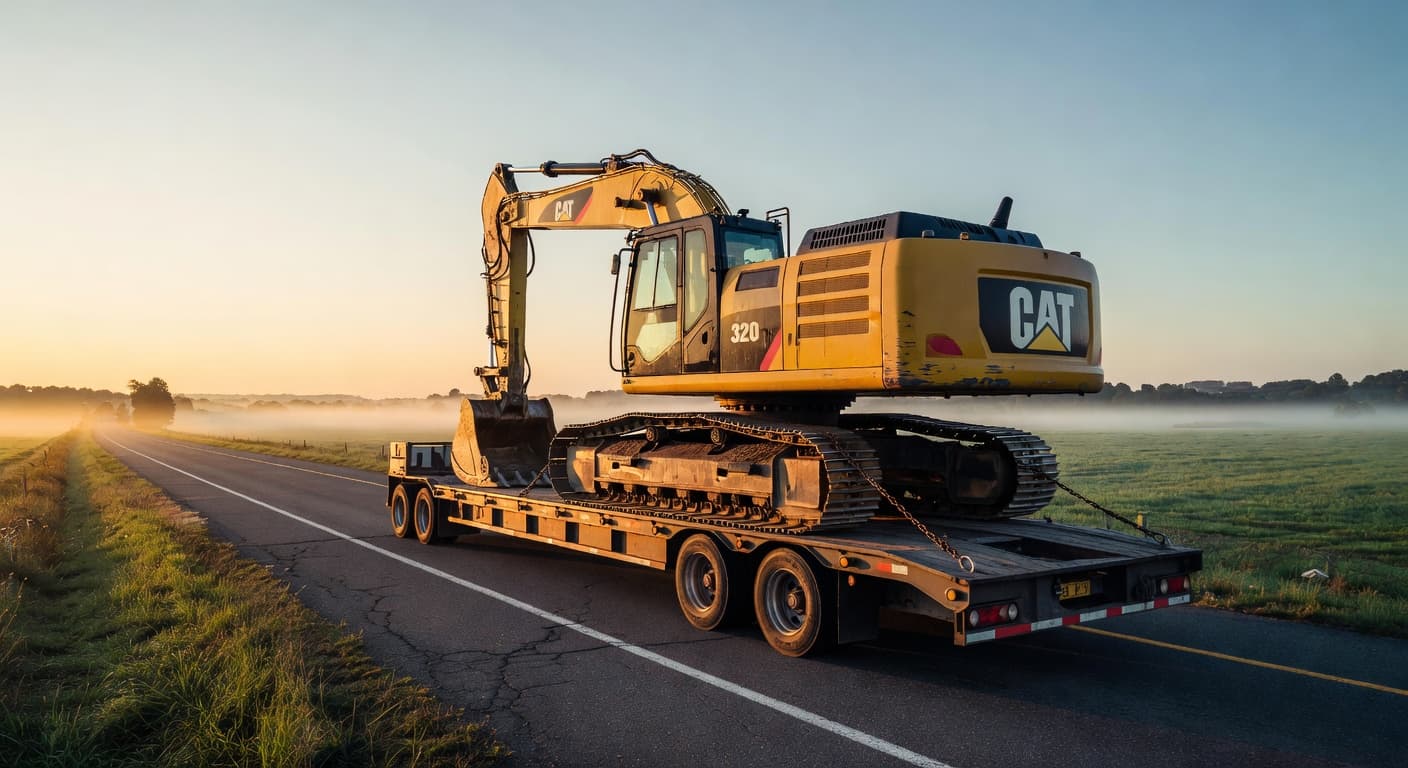
Typically covers heavy machinery like excavators, loaders, and generators against theft or damage at job sites and between them.
Installation Floater
Can help cover materials and fixtures from the moment you buy them until they are installed and accepted at a project.
Builders Risk
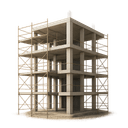
May cover a structure under construction, along with materials on site, against damage from fire, wind, theft, and vandalism.
Inland Marine Insurance Cost in Memphis
Average Cost in Tennessee
$25 - $100
per month
Businesses in Tennessee typically see inland marine insurance premiums of $25 - $100 per month, which tends to run 4% above the national range of $20 - $100 per month.
- Total insured value of the scheduled property
- Type and age of the equipment
- Where it is stored and how far it travels
- Jobsite security and theft prevention
- Per-item limits and deductibles
- Prior theft and in-transit losses
Contact CPK Insurance for a personalized quote.
Prices shown are general estimates, not guaranteed rates or quotes. Your actual premium will depend on the insurer, coverage selected, business details, location, claims history, and other underwriting factors. Learn about our pricing methodology.
The average premium range is $25 to $100 per month, while broader small-business averages run $20 to $100 per month, so actual pricing varies by carrier, limits, deductibles, and the specific property being insured. That does not remove the impact of local risk. Tornado exposure, high flooding risk, severe storm history, and a property crime rate of 2,840 incidents per 100,000 residents can all influence how carriers view mobile property losses, especially for tools and equipment that sits on job sites or in temporary storage. That crime rate is above the national median, meaning carriers may apply surcharges or require secure-storage warranties for gear left at unattended sites.
Pricing also depends on claims history, location, industry or risk profile, and policy endorsements. Those factors matter in a state with 168,200 businesses competing for carrier capacity, because carriers may price differently for a contractor in Memphis than for a service business operating across Middle Tennessee. If you want a more accurate number, ask for limits, deductibles, and schedule details that reflect your actual equipment list and routes.
What Makes Memphis Different
The number of times property changes hands before a job is done drives the buying calculus here. In many Tennessee markets, this coverage is mainly a contractor conversation. Here, it often reaches further because property moves through more hands and more types of operations during a normal week.
A retailer shuttling inventory between storage and pop-up selling space faces different risks than a health care service business carrying diagnostic equipment to patient locations, and both differ from a food service operator moving catering gear and rented refrigeration between venues. Your policy can help reflect those specific movements rather than stopping at a broad equipment number. You may want to ask how the policy treats property in transit, property at temporary locations, rented or borrowed equipment, and customer property in your care. If your schedule includes frequent loading, unloading, staging, or overnight vehicle storage, those details can matter more than the headline limit.
Our Recommendation for Memphis
Build a property schedule that tracks how items actually move during the week, not just where they are supposed to be stored on paper. If you own tools or equipment, you can separate high-value items that need individual limits from lower-value gear that may fit better under a blanket approach.
If you install materials before final acceptance, ask whether an installation floater should sit alongside your coverage rather than assuming your main property policy responds. When you transport customer property, describe who has custody at each step, because handoffs between your staff, subcontractors, and delivery partners can affect how a claim is reviewed. Keep serial numbers, photos, and replacement invoices current, and you may want to compare terms on valuation, deductible structure, and off-premises conditions before you renew.
Get Inland Marine Insurance in Memphis
Enter your ZIP code to compare inland marine insurance rates from carriers in Memphis, TN.
Business insurance starting at $25/mo
FAQ
Frequently Asked Questions
It often does, because your gear is probably crossing paths with thousands of other operations on shared docks and delivery routes far more often than it would in a smaller market. If your property regularly leaves your main address, ask for terms built around transit and off-site storage.
Memphis retailers should look closely at inventory and equipment that travel between storage, events, service vehicles, or temporary selling space. Retail trade makes up 14.9% of Shelby County establishments, so roughly one in seven local businesses handles stock that a standard property policy alone may not adequately protect.
Memphis health care service businesses often should review it when equipment travels to patient or client locations. Health care and social assistance accounts for 11.6% of county establishments, so a meaningful share of local payrolls depend on gear that regularly leaves the office.
Memphis hospitality and food service operators may need it when catering equipment, refrigeration units, or rented gear move between venues. Accommodation and food services represent 10.2% of county establishments, so if you are catering or hosting off site, your property is probably exposed more often than a fixed-location policy assumes.
Memphis buyers should weigh the value of mobile property against how tight replacement costs feel in the household budget. With median household income at **$51,211**, roughly half of local households would struggle to absorb a major tool or equipment loss out of pocket, which makes comparing deductibles against what you could realistically absorb worth the effort.
It can help cover tools, equipment, materials, and goods that travel between job sites, customer locations, or temporary storage. This is useful for businesses that do not keep everything at one fixed address.
It is designed to follow covered property away from your primary location, so property at a Tennessee job site or temporary storage area may be included if the policy form and limits are written for that exposure.
Contractors, builders, and trades that move portable machinery, hand tools, or materials across Nashville, Memphis, and surrounding areas should review contractors equipment insurance as part of their inland marine setup.
Sources
- 1.U.S. Census Bureau, County Business Patterns, Shelby County(Shelby County has 19,659 business establishments, so proof of coverage often matters anywhere work depends on subcontractors, leased space, delivery schedules, or vendor requirements.; Retail trade accounts for 14.9% of establishments, health care and social assistance 11.6%, and accommodation and food services 10.2%, so a lot of local operations rely on stock, portable equipment, and property that moves between storage, service calls, and temporary locations.)
- 2.U.S. Census Bureau, ACS 5-Year Estimates, table B19013(With median household income at $51,211, an uninsured tool, equipment, or stock loss can disrupt cash flow, so compare deductibles against what you could absorb.)
Updated July 16, 2026





