







































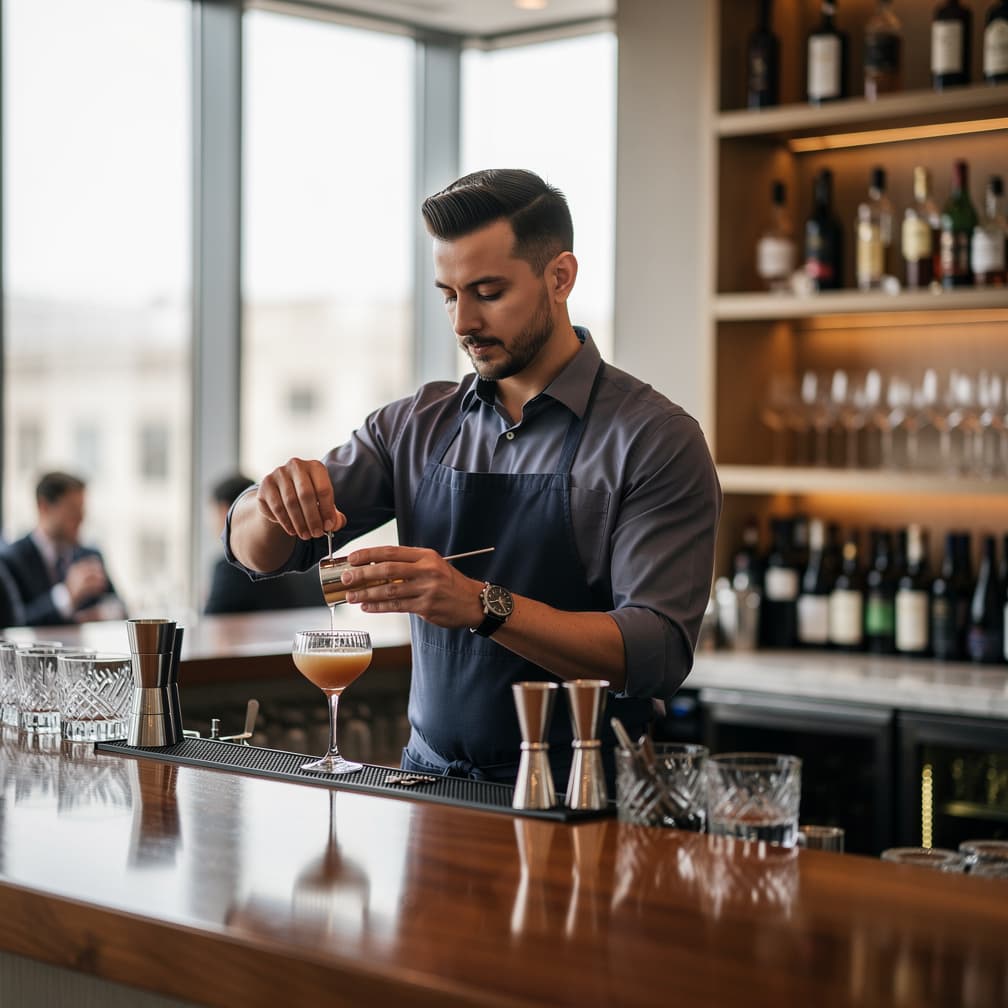

As a bar in Nashville, you hand a stranger a substance that changes his judgment, and then you answer for what he does with it. Dram shop exposure is why bars get underwritten apart from restaurants that happen to pour wine. The claim can arrive months later and it may never touch your building at all. Bar insurance in Nashville starts with that reality and works outward toward the ordinary things: floors, fryers, doors. Server training records and a refusal-of-service policy are the least expensive evidence you will ever produce, and they cost nothing but discipline. Underwriters ask for them because they change the odds on the worst claim you can have. Get those in place, then go get quotes.
What Makes Nashville Different
Weather does not need to damage your building to cost you a weekend. A storm that keeps people home empties a room that pays its rent on busy nights, and nothing broke. Power loss is worse: taps go warm, coolers thaw, and a walk-in full of stock becomes garbage by morning. Business interruption generally responds only when covered physical damage caused the closure, which a quiet street does not. That distinction surprises owners more than any other line in the policy. Ask each quote in Nashville whether utility service interruption and spoiled inventory are included or sold separately. Ask also how long the waiting period runs, because a two-day outage can fall entirely inside it. A bar in Nashville learns that answer during the outage or before it.
Local Risk Factors in Nashville
Severe storms hit a bar sideways: the patio umbrella becomes a projectile, the sign leaves its bracket, and a battered rooftop unit stops cooling the room. Damage your loose furniture does to a neighbor's car or storefront is a liability question, while your own broken glass is a property one, and the two carry different deductibles. General Liability may answer the neighbor's claim where your setup is found responsible. Stow the furniture when a watch is issued, photograph what was outside, and put the stow routine in writing, because an underwriter in Tennessee reads that as a control rather than as good intentions. A bar in Nashville with photographs argues from evidence instead of memory.
What Coverage Does a Bar in Nashville Need?
Liquor Liability
Landlords, licensing offices, and event hosts ask about this line first, and dram shop claims are the reason. Liquor Liability is meant for third-party injury or damage traced back to alcohol you served, including a crash miles from your door. General Liability commonly excludes that exposure, and assault wording is often limited or removed, so read the form.
Example: A regular leaves after a long night, sideswipes a parked car two blocks on, and the driver's lawyer names your bar in the suit. The liquor line is where that defense would likely start.
General Liability
A patron slips near the bar top, a dropped glass opens somebody's foot, or your sign lands on a parked car. General Liability may respond to third-party injury and property damage arising from your premises and operations. It typically does nothing for employee injuries, and it commonly leaves alcohol-related claims to a separate form.
Example: Someone catches a heel on a torn mat by the restroom door and breaks a wrist, then sends a demand covering the surgery and the missed work. A claim like that generally lands here.
Commercial Property
Draft systems, walk-in coolers, the back bar, the sound gear, and the stock behind it are what this line puts a value on. Commercial Property can help cover damage from fire, smoke, theft, or vandalism at your location, subject to how the build-out is valued. Flood typically sits outside it and gets arranged separately.
Example: A fryer flares, the hood catches it late, and smoke coats every bottle on the back bar along with the upholstery. Replacing that stock is generally the route a property claim takes.
Workers Compensation
Employee injuries sit outside your liability form entirely, which is the gap this line exists to close. Workers Compensation might answer medical costs and lost wages when a bartender opens a hand on broken glass or a barback wrecks a back on a keg. It gets rated per hundred dollars of payroll by job class, so the codes matter.
Example: A barback in Nashville carries a keg down cellar stairs, slips on a wet tread, and misses six weeks of shifts. Treatment and lost wages for that injury would typically run through this line.
Commercial Umbrella
When one night exhausts the primary limit, this is the layer sitting above it. Commercial Umbrella can extend limits over General Liability and, where the form allows, over the liquor line, which is the part to confirm rather than assume. It usually requires specific underlying limits stay in force and excludes whatever the primary already excludes.
Example: One brawl puts three patrons in an emergency room, and settlements plus defense costs pass the primary limit before the depositions finish. Anything beyond it could fall to the umbrella.
How Much Does Bar Insurance Cost in Nashville?
Bar Insurance is a bundle of separate policies, priced separately. The ranges below are typical figures for Nashville for each line, except workers compensation, which is rated per $100 of payroll; a quote prices each one against your own operations.
| Coverage | Typical range | What moves your price |
|---|---|---|
| Liquor Liability Insurance | $170 - $650 per month | Share of sales that comes from alcohol, type of venue and how late you serve, server training and service procedures |
| General Liability Insurance | $140 - $470 per month | Industry and risk classification, annual revenue, number of employees |
| Commercial Property Insurance | $170 - $600 per month | Building value and construction type, roof age and condition, fire protection class |
| Workers Compensation Insurance | $0.75 - $2.74 per $100 of payroll | Employee classification codes, total annual payroll, experience modification rate |
| Commercial Umbrella Insurance | $100 - $350 per month | Umbrella limit requested, limits carried on the underlying policies, loss history on those underlying policies |
Prices shown are general estimates, not guaranteed rates or quotes. Your actual premium will depend on the insurer, coverage selected, business details, location, claims history, and other underwriting factors. Learn about our pricing methodology.
What Are the Insurance Requirements for a Bar in Nashville?
Workers' comp is generally required once you have 5 or more employees. Tennessee generally requires employers to carry workers' compensation at that point. Common exemptions include sole proprietors, partners, and members of LLCs. Confirm current thresholds with your state's workers' compensation agency before you hire.
Flood damage is typically excluded from standard policies. Standard commercial property and builders-risk-type policies typically exclude flood damage. Flood exposure varies address by address, so check your premises in FEMA's Flood Map Service Center before deciding; if you sit in a mapped flood zone, a separate policy through the National Flood Insurance Program is the usual starting point.
Where to verify licensing and coverage rules. The Tennessee Department of Commerce and Insurance publishes consumer guidance and current insurance requirements for Tennessee businesses. When a contract or lease demands specific wording, the Tennessee Department of Commerce and Insurance's guidance is the authoritative place to check.
Get Your Bar Quote in Nashville
Compare rates from multiple carriers. Free quotes, no obligation.
Operating in Nashville
- The bar top is the busiest three feet in the building, and most customer injuries happen within a few steps of it. Lighting, spill routines, and the condition of the floor decide how often that lands on your loss run.
- About 141 bars operate in Davidson County, and the refrigeration techs, hood cleaners, and glass shops serving them are fewer still. A repair queue after a rough week is a downtime problem your policy prices through a waiting period.
- Kitchen fires start where liquor, paper, and heat share a wall, and the hood cleaning interval is the first thing an underwriter asks about. Keep the service receipts, because they separate a paid loss from an argument about maintenance.
- An entity that holds the liquor license and a different one that signs the lease is a common setup, and certificates get rejected over exactly that mismatch. Send formation documents with the application so the Nashville schedule is right the first time.
How to Buy: Advice for Nashville Owners
Pull the lease before you pull quotes. The insurance exhibit names the limits, the additional insured wording, and sometimes a waiver of subrogation your policy has to carry. Hand that page to every underwriter so the General Liability quotes come back on identical terms instead of on their own assumptions. Add Liquor Liability at the same limit, since a landlord asking for one and not the other is common and rarely deliberate. Ask what the endorsement costs and whether the wording is blanket or scheduled. The Tennessee Department of Commerce and Insurance publishes consumer guidance on reading policy documents, which is worth twenty minutes before you sign anything. Then set the sheets from participating carriers beside each other for your Nashville location, on the same limits and the same deductible, and let the differences show themselves.
FAQ
Bar Insurance in Nashville: FAQ
It depends on what a bad night could cost and what your contracts demand. One incident with several injured people can exhaust a primary limit before depositions begin, and an umbrella sits above the underlying lines to extend the tower. The catch is whether it follows the liquor form, since many do not without a specific endorsement. Ask in writing which underlying policies it sits over and what limits it requires you to keep in force.
Change the risk, then shop. Cameras that actually retain footage, a written door policy, documented server training, mats and drainage behind the bar, and a closing checklist somebody signs are the things underwriters credit. A higher deductible lowers premium and keeps small claims off your record, which compounds at renewal. Accurate sales and payroll figures prevent audit corrections. Then compare participating carriers in Tennessee on identical limits, because a lower price on lighter terms is no saving.
The carrier compares what you estimated against what actually happened. Payroll by class code and gross sales are the usual subjects, and both come from real records rather than memory. Understating either produces a bill at the end of the term instead of a discount. Cash paid to an uninsured helper generally gets added back at the highest class available. Keep clean records from the first shift and the audit stops being an event.
Ask before the booking rather than after it. A buyout, a ticketed show, or an outside promoter changes who is in the room and who is pouring, and some forms ask about entertainment specifically. The host may want naming on your policy for the night, and that endorsement takes time to arrange. If a caterer or an outside bartender works the event in Nashville, collect their certificate first. Unreported changes become the argument nobody wants at claim time.
More than almost anything else on the application. Underwriters use that share to size the dram shop exposure, and they will assume a figure if you do not supply one. Pull it from point-of-sale reports, and pull the food and cover-charge numbers with it. If a kitchen opens and the mix shifts, say so midterm rather than letting the audit find it. Ask each quote to state the percentage it assumed so two prices describe the same bar.
Alcohol is alcohol as far as a dram shop claim is concerned, and beer-only rooms get named after crashes too. Liquor Liability is the line built for third-party injuries traced back to service, and General Liability commonly excludes exactly that exposure. Your alcohol percentage moves the price, not the existence of the exposure. Ask any quote for a Nashville bar to show you the exclusion in the form so you can read it yourself.
Sources
- 1.U.S. Census Bureau, County Business Patterns (2023), Davidson County(Davidson County has about 141 businesses in this trade's category (NAICS group 722410).)
- 2.Tennessee Department of Commerce and Insurance(Tennessee Department of Commerce and Insurance publishes consumer guidance for insurance buyers.)
- 3.FEMA / FloodSmart(Flood coverage is typically purchased separately; FEMA administers the National Flood Insurance Program.)


