








































Updated July 5, 2026

Business Owners Policy Insurance in Nashville
A lot of local owners start this review right before a lease is signed, a lender asks for proof of insurance, or a second location is about to open. That is usually the point where business owners policy insurance in Nashville stops feeling optional and starts becoming an operating decision. A storefront in 12 South, a small office near Green Hills, or a restaurant adding catering all create different property values, business income exposure, and landlord requirements.
Davidson County supports a large base of local establishments, so many owners here are competing for commercial space, vendor relationships, and customer traffic in a dense local market. That makes certificate requests, lease insurance clauses, and downtime planning more immediate, not theoretical. If your operation depends on foot traffic, reservations, scheduled client work, or specialized equipment, a quote should be built around how revenue actually comes in and what would interrupt it. Before you bind coverage, line up your lease terms, property values, peak sales periods, and any off-premises equipment or inventory that moves between locations.
Business Owners Policy Insurance Risk Factors in Nashville
Nashville's top risk factors include Tornado damage, Hail damage, Severe storm damage, and Wind damage. 15% of Nashville is in a flood zone, commercial property policies should include flood endorsements or separate flood insurance. Tornado damage and Hail damage and Severe storm damage and Wind damage are leading causes of property damage claims, verify your policy covers these perils.
Tennessee has a high climate risk rating. Top hazards: Tornado (Very High), Flooding (High), Severe Storm (High), Earthquake (Moderate). The state's expected annual loss from natural hazards is $1.8B, which influences business owners policy insurance premiums and may affect coverage availability in high-risk areas.
What Business Owners Policy Insurance Covers
A Tennessee BOP usually combines commercial property and general liability with business income coverage, creating a small business insurance bundle that is easier to manage than separate policies. In practical terms, the property part can help with a covered loss to your building contents, equipment, and inventory, while the liability part addresses third-party injury or property damage claims tied to your premises or operations. Business income coverage is especially relevant for covered events such as a tornado, severe storm, fire, or theft that forces a temporary closure while repairs are made. Because Tennessee has a very high tornado hazard and a history of severe storm declarations, many owners pay close attention to wind-related deductibles, roof condition, and replacement cost settings when they review their policy. Some carriers also offer equipment breakdown coverage as an endorsement, which can matter for restaurants, retail shops, and light manufacturing sites that depend on refrigeration, POS systems, or production equipment. Coverage is not identical across carriers, and endorsements vary, so a coverage discussion should always include your building type, square footage, and industry. The Tennessee Department of Commerce and Insurance regulates the market, but the state does not create a one-size-fits-all BOP form. That means exclusions, limits, and endorsements depend on the carrier and your business profile.
Coverage Included
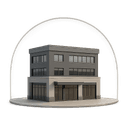
Commercial Property
Can help repair or replace your building, equipment, inventory, and furnishings after covered events like fire, wind, or theft.

General Liability
Can help cover customer injuries, damage to property owned by others, and related legal costs your business becomes responsible for.

Business Income
May replace lost income and help pay rent, payroll, and other continuing expenses while covered damage forces a temporary shutdown.

Equipment Breakdown
Typically covers repair or replacement when equipment like air conditioning, refrigeration, or computers fails from a sudden mechanical or electrical breakdown.
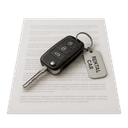
Hired & Non-Owned Auto
May respond when vehicles your business rents or employees' personal cars are used for work and cause an accident.
Business Owners Policy Insurance Cost in Nashville
Average Cost in Tennessee
$45 - $160
per month
Businesses in Tennessee typically see business owners policy insurance premiums of $45 - $160 per month, which tends to run 2% below the national range of $50 - $160 per month.
- Annual revenue and industry class
- Building and contents values
- Square footage and building age
- Catastrophe exposure at your address
- Liability limits and property deductibles
- Claims history
Contact CPK Insurance for a personalized quote.
Prices shown are general estimates, not guaranteed rates or quotes. Your actual premium will depend on the insurer, coverage selected, business details, location, claims history, and other underwriting factors. Learn about our pricing methodology.
What you pay for a BOP in Tennessee is shaped by the state's below-national-average pricing environment, but the actual quote still depends on your limits, deductible, claims history, location, industry, and endorsements. That below-average index does not mean every quote is inexpensive, especially in tornado-prone areas or in businesses with more equipment and inventory. A storefront in Nashville, a warehouse near Chattanooga, or a restaurant in Memphis may see different pricing because location and occupancy affect exposure to storm damage, burglary, and repair costs. For many small businesses, the best way to understand pricing is to compare multiple carrier submissions with the same limits and deductible structure.
Industries & Insurance Needs in Nashville
Davidson County’s business mix changes how a BOP should be reviewed because the leading establishment shares are retail trade at 12.4%, accommodation and food services at 11.3%, and professional, scientific, and technical services at 11%. So the local conversation is not just about one kind of small business. It is about whether your operation depends more on customer premises, stock, tenant improvements, booked appointments, or office equipment and records.
That matters when you compare forms and endorsements. A retailer may need closer attention on inventory seasonality and display fixtures. A restaurant or cafe usually needs a harder look at business income, spoilage, and equipment breakdown options if available. A professional office may care more about computers, leased improvements, and how quickly work can resume after a covered loss. Bring your lease, equipment list, and busiest revenue periods into the quote process so the policy is reviewed against your actual operating model, not a generic small-business template.
What Makes Nashville Different
Density is the difference here. In a market where many small businesses operate close together, lease more often, and rely heavily on uninterrupted access to customers, vendors, and shared commercial corridors, a BOP decision is often less about checking a box and more about matching coverage to the practical terms of occupancy and daily operations.
That changes the buying calculus in a few ways. First, lease language deserves a careful read because landlords may set specific insurance expectations before keys are handed over. Second, business income deserves a realistic review if your sales depend on regular walk-in traffic, reservations, or scheduled client appointments. Third, tenant improvements, signs, furniture, and specialized equipment should be valued the way they would be replaced today, not the way they were budgeted when you opened. If you are renewing, compare your current limits against your present build-out and revenue pattern before you accept another term.
Our Recommendation for Nashville
Start with the documents that drive the real exposure. For most local owners, that means the lease, a current property and equipment schedule, and a simple breakdown of how money comes in by day, week, or season. If you have added furniture, fixtures, kitchen equipment, computers, or a second revenue stream since the last renewal, ask for those changes to be reflected before you compare options.
If your business serves the public on site, review business income with more care than you might expect. A short closure can matter more when appointments, table turns, or daily foot traffic drive cash flow. If you operate from an office, ask how tenant improvements, electronics, and any property used away from the premises are treated. If you are signing a new lease, confirm the insurance requirements early so you are not revising limits at the last minute. A free quote works best when it is built from your actual lease obligations and operating rhythm, not broad assumptions.
Get Business Owners Policy Insurance in Nashville
Enter your ZIP code to compare business owners policy insurance rates from carriers in Nashville, TN.
Business insurance starting at $25/mo
FAQ
Frequently Asked Questions
Nashville owners should start before the lease is final, because landlord insurance clauses often shape the limits and endorsements you need. Bring the draft lease, your property list, and your opening timeline into the quote review so coverage can be matched before move-in.
Davidson County supports a large local business base, so many businesses operate in leased space and depend on steady customer access. That makes business income, tenant improvements, and certificate requirements worth reviewing closely instead of accepting a generic package.
Nashville does not have one standard BOP setup for every small business. Davidson County’s leading sectors include retail trade at 12.4%, accommodation and food services at 11.3%, and professional services at 11%, so property, income, and equipment exposures can differ materially.
Nashville quote reviews go faster when you bring your lease, estimated annual revenue, equipment and inventory values, and any prior policy declarations. That gives you a better chance to compare limits, deductibles, and endorsements against how the business actually operates.
Nashville businesses with policy or licensing questions can look to the Tennessee Department of Commerce and Insurance. Use that as a regulatory reference point, then focus your quote review on lease obligations, property values, and income interruption exposure.
In Tennessee, a BOP usually bundles commercial property, general liability, and business income coverage, which is useful for shops, offices, and restaurants that need one policy for property and liability protection.
Pricing depends on your limits, deductible, location, industry, and endorsements, so comparing multiple quotes with identical coverage details is the best way to see where your business falls.
There is no single state-mandated BOP form, but carriers will look at your business size, revenue, square footage, property values, and industry to decide whether you qualify for a standard BOP.
Sources
- 1.U.S. Census Bureau, County Business Patterns, Davidson County(Davidson County’s leading establishment shares are retail trade at 12.4%, accommodation and food services at 11.3%, and professional, scientific, and technical services at 11%.)
- 2.Tennessee Department of Commerce and Insurance(Tennessee’s insurance regulator is the Tennessee Department of Commerce and Insurance.)
Updated July 5, 2026





