








































Updated July 16, 2026

Commercial Truck Insurance in Nashville
The decision often lands fast here. You sign a downtown delivery contract, add a box truck for restaurant supply runs, or pick up a new route serving retail stops across the county. That is usually when commercial truck insurance in Nashville stops being a back-office task and becomes something you need to review before the next dispatch. Local trucking risk is shaped less by long rural stretches and more by repeated short-haul trips, tight delivery windows, loading in alleys and docks, and frequent starts and stops around dense commercial blocks. Davidson County has 21,694 business establishments, which means more stops per route and more businesses asking for your certificate before they let you load. That concentration raises the odds of a loading-dock incident or a backing collision, so your liability limits and certificate handling deserve early attention. If staff use personal vehicles, hired and non-owned auto may help close that gap. If your truck is parked at mixed-use sites overnight, review physical damage. And if you run urban delivery work rather than occasional highway miles, confirm your liability limits fit that pattern. Before you request quotes, map your actual routes, parking locations, driver list, and cargo types so the policy matches how your trucks work day to day.
Commercial Truck Insurance Risk Factors in Nashville
Nashville's top risk factors include Tornado damage, Hail damage, Severe storm damage, and Wind damage.
Tennessee has a high climate risk rating. Top hazards: Tornado (Very High), Flooding (High), Severe Storm (High), Earthquake (Moderate). The state's expected annual loss from natural hazards is $1.8B, which influences commercial truck insurance premiums and may affect coverage availability in high-risk areas.
What Commercial Truck Insurance Covers
Commercial truck insurance in Tennessee is built around the way your trucks move freight and the contracts you sign. Core protection may include motor carrier liability, physical damage, cargo, trailer interchange, bobtail coverage, and non-trucking liability. The right structure depends on whether you haul under your own authority, lease on, or run mixed-use equipment. Tennessee does not add a special truck-only minimum here. You should check your commercial truck insurance requirements against your operation type, federal freight rules where applicable, and any shipper or broker contract you accept. The state's commercial auto minimums exist, but trucking policies often need higher liability limits than a basic auto filing. Freight contracts and motor carrier standards can call for more protection.
Tennessee's weather profile matters too. High tornado activity, flooding, and severe storm exposure can increase the importance of physical damage and cargo planning. That is especially true for trucks running through storm corridors or parking in exposed yards. Coverage terms can vary by endorsement, deductibles, and the type of freight you haul. A refrigerated truck, flatbed, tanker, or box truck may not need the same structure. Cargo coverage is usually a separate section, and trailer interchange only applies when you are responsible for a non-owned trailer under an agreement. Bobtail coverage and non-trucking liability are also different. One addresses a tractor without a trailer, while the other addresses off-dispatch use. The Tennessee Department of Commerce and Insurance oversees the market, so policy wording, filings, and carrier appetite can vary by insurer.
Coverage Included

Motor Carrier Liability
Can help cover injuries and property damage your truck causes to others, a coverage federal regulators require most for-hire carriers to maintain.
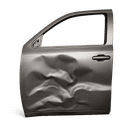
Physical Damage
Can help pay to repair or replace your own truck after an accident, fire, theft, or vandalism.
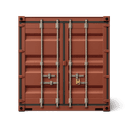
Cargo Coverage
May pay for damage to or theft of the freight you are hauling while it is in your care.
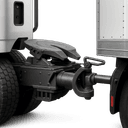
Trailer Interchange
Can help cover damage to trailers you haul under an interchange agreement but do not own.
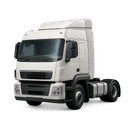
Bobtail Coverage
May provide liability protection when you drive your tractor without a trailer attached, such as after dropping off a load.

Non-Trucking Liability
Can help cover accidents that happen when you use your truck for personal errands rather than dispatched work.
Commercial Truck Insurance Cost in Nashville
Average Cost in Tennessee
$390 - $1,050
per month
Businesses in Tennessee typically see commercial truck insurance premiums of $390 - $1,050 per month, which tends to run 6% below the national range of $400 - $1,125 per month.
- Radius of operation
- Commodities hauled and cargo value
- Number and value of power units
- Driver motor vehicle records and CDL experience
- DOT safety record, inspections, and FMCSA scores
- Liability limits and physical damage deductibles
Contact CPK Insurance for a personalized quote.
Prices shown are general estimates, not guaranteed rates or quotes. Your actual premium will depend on the insurer, coverage selected, business details, location, claims history, and other underwriting factors. Learn about our pricing methodology.
The Tennessee price picture for commercial truck insurance is shaped by your coverage limits, deductibles, claims history, location, industry risk profile, and policy endorsements. Tennessee's premium index of 94 suggests prices are below the national average overall. That means you may find competitive pricing, but trucking accounts can still price higher when the operation has heavier freight exposure or more miles in higher-risk corridors.
Location matters in Tennessee more than many owners expect. A truck based near Nashville, Memphis, or other high-traffic freight markets can face different underwriting scrutiny than one running lighter local routes in less dense areas. Tennessee's elevated tornado risk, high flooding risk, and severe storm history can also affect physical damage and cargo pricing. This is especially true if equipment is parked outdoors or runs through storm-prone counties. Claims history is another major lever. Tennessee's average auto claim cost is $16,979, which means a single at-fault accident can push your renewal premium up significantly. The state also has many active insurance companies, so quotes can vary materially from one carrier to another. Because coverage needs vary by truck type, freight, and contract terms, a tailored quote is usually more useful than a broad online estimate. If your operation adds cargo, trailer interchange, or motor carrier liability, the premium can rise or fall depending on limits, deductibles, and endorsements.
Industries & Insurance Needs in Nashville
Davidson County's business mix matters because it points to the kind of truck work that is common here. Retail trade accounts for 12.4% of establishments, accommodation and food services 11.3%, and professional, scientific, and technical services 11%, so many local fleets are not built around one long haul and one consignee. They are built around repeated deliveries, service calls, equipment moves, and scheduled stops for customers that operate on business-hour deadlines. That usually means more backing, more curbside parking, more driver turnover between stops, and more pressure to keep certificates and vehicle schedules current for landlords, venues, and commercial clients. If your book of business leans into retail or hospitality accounts, ask for a quote built around stop frequency, loading patterns, and whether drivers cross between owned, leased, and employee vehicles. If your work is more office-service oriented, review inland marine, tools, or equipment transport exposures alongside the truck policy instead of treating the vehicle in isolation.
What Makes Nashville Different
What sets this market apart is how tightly packed the stops are. In this market, the insurance question is often not how far your truck travels, but how often it loads, parks, backs, and re-enters traffic in a single day. A truck that spends most of its time on short commercial runs can still create meaningful liability exposure if the route includes crowded loading zones, shared parking areas, and frequent deliveries to businesses that want proof of coverage before access is granted. Nashville median household income is $75,197, which means your customers and the properties you serve are more likely to have risk managers or lease requirements that dictate what your policy must include. That can include higher liability limits, additional insured requests on related policies, and clean certificate handling. This does not automatically mean you need the highest limits available. It does mean your insurance review should start with contract requirements, where vehicles are stored, who can drive them, and whether your operation looks more like urban distribution, contractor service work, or hospitality supply runs. Focus on contract requirements, vehicle storage, and driver lists first.
Our Recommendation for Nashville
Start with your dispatch reality, not a generic truck class. When your drivers make repeated stops in the core business districts, ask your agent to review liability limits, uninsured motorist options, and physical damage deductibles against where the truck is actually parked and loaded. Lease vehicles bring their own requirements, so confirm the lease insurance language before binding coverage to avoid a gap between what the lessor requires and what the policy schedules. Employees who use their own pickups or vans for errands need hired and non-owned auto reviewed rather than assuming the commercial auto policy follows every trip. Before you shop, pull your vehicle list, VINs, driver details, garaging address, and contract insurance requirements into one file. That makes quotes more comparable and reduces the chance that a lower premium is simply leaving out an exposure you actually have. If your routes change seasonally with events, catering, retail surges, or contractor work, update the policy before the schedule expands rather than after a claim.
Get Commercial Truck Insurance in Nashville
Enter your ZIP code to compare commercial truck insurance rates from carriers in Nashville, TN.
Business insurance starting at $25/mo
FAQ
Frequently Asked Questions
Nashville operators should review liability limits, vehicle schedules, driver lists, and certificate requirements before the first load moves. Local contracts often turn on proof of coverage, especially when your truck will load at shared docks, alleys, or managed commercial properties.
Davidson County has 21,694 business establishments. More businesses per square mile means more stops, tighter delivery windows, and more certificate requests per shift. That makes route pattern, parking, and stop frequency important details to include when you request a quote.
Nashville delivery work tied to retail and food service often means repeated loading, backing, and curbside parking in one shift. Review physical damage, liability limits, and any cargo or equipment exposure based on what you haul and where you unload.
Davidson County is led by retail trade at 12.4%, accommodation and food services at 11.3%, and professional, scientific, and technical services at 11%. In practical terms, that means your truck is more likely to handle local delivery, service calls, or equipment moves than long-haul mileage. Those repeated stops and tight loading zones tend to drive up the frequency of minor claims, so physical damage deductibles and liability limits deserve a closer look than they would for highway-only work.
Nashville quotes are usually more useful when you provide garaging location, VINs, driver details, radius of operation, cargo or equipment type, and any lease or contract insurance requirements. That helps the policy reflect how the truck is actually used here.
In Tennessee, it can be structured to include motor carrier liability, physical damage, cargo coverage, trailer interchange, bobtail coverage, and non-trucking liability insurance, depending on whether you run local, regional, or long-haul freight.
Tennessee's commercial auto minimums are $25,000/$50,000/$25,000, but trucking accounts often need higher limits based on freight contracts, federal rules, and the way the truck is used.
Pricing varies based on limits, deductibles, claims history, location, risk profile, and endorsements.
Sources
- 1.U.S. Census Bureau, County Business Patterns, Davidson County(Davidson County has 21,694 business establishments, so many truck operators here are serving a high volume of vendors, stores, offices, and hospitality accounts that expect current certificates before work begins or contracts renew.; Davidson County's business mix matters because it points to the kind of truck work that is common here: retail trade accounts for 12.4% of establishments, accommodation and food services 11.3%, and professional, scientific, and technical services 11%.)
- 2.U.S. Census Bureau, ACS 5-Year Estimates, table B19013(Nashville median household income is $75,197, so many deliveries and service calls involve customers, tenants, and commercial properties that may expect a more polished risk transfer package, including higher liability limits, additional insured requests on related policies, and clean certificate handling.)
Updated July 16, 2026





