
Updated July 16, 2026

Homeowners Insurance in Nashville
Nashville homeowners insurance usually deserves a closer look at dwelling limits, ordinance or law coverage, and personal property scheduling. Local home values, renovation patterns, and neighborhood housing stock can change the size of a claim even when the covered cause of loss is identical to a house across town. A median home value of $383,100 means a typical rebuild here runs roughly $50,000 above the state average, so checking whether your Coverage A limit still matches current rebuild expectations rather than last year's estimate can prevent a shortfall after a covered loss. The city's household income profile also suggests many households own more electronics, instruments, jewelry, or other higher-value belongings than a basic sublimit handles well. Buyers in East Nashville, Green Hills, Sylvan Park, or an older pocket with updates layered onto an original structure should ask how the carrier values roof age, system updates, and any custom finishes before binding.
Tennessee has a high climate risk rating. Top hazards: Tornado (Very High), Flooding (High), Severe Storm (High), Earthquake (Moderate). The state's expected annual loss from natural hazards is $1.8B, which influences homeowners insurance premiums and may affect coverage availability in high-risk areas.
What Homeowners Insurance Covers
The most useful coverage review starts with how a loss would actually unfold at your address. If a storm opens the roof, the immediate issue is not just shingles. You may be dealing with interior water damage, temporary repairs to prevent further loss, debris removal, and a period where parts of the home are not usable while contractors schedule the work. That makes it worth reading the policy for settlement terms, deductible structure, and any conditions tied to roof age, maintenance, or protective steps after a loss.
Water is another place where buyers need precision. A standard homeowners policy may respond very differently to rain entering after covered wind damage than to rising water or drainage backup. If your property has a basement, lower-level storage, or grading issues, ask specifically how the policy handles backup, seepage exclusions, and whether separate protection is available for losses the base form leaves out.
Liability deserves the same practical review. Tennessee households often have guests, service providers, delivery traffic, and occasional short-term use of recreational equipment or features in the yard. You want to know where your personal liability limit stands, whether medical payments are meaningful for minor injuries, and whether any home-based activity changes the risk enough to justify an endorsement. If a dispute arises over a claim or policy notice, the Tennessee Department of Commerce and Insurance offers consumer guidance and a formal complaint process you can use. Keep the policy documents and quote versions organized before you bind.
Coverage Included
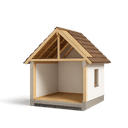
Dwelling
Repairs or rebuilds your home itself, the walls, roof, floors, built-in appliances, and attached structures like a garage, after a covered loss. Set this limit to the full cost of rebuilding, not market value.
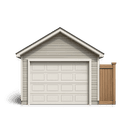
Other Structures
Detached structures on your property, such as a fence, shed, detached garage, or gazebo. Usually set at about 10 percent of your dwelling limit [2].

Personal Property
Your belongings, furniture, clothing, electronics, and appliances, generally written at 50 to 70 percent of your dwelling limit [2]. High-value items like jewelry and art carry special limits.

Additional Living Expenses
Also called loss of use. Pays your added living costs, hotel stays, meals, and a temporary rental, while a covered loss makes your home uninhabitable. Usually set at about 20 percent of your dwelling limit.

Liability
Covers you if someone is injured on your property, or you damage someone else's property, and you are found responsible. The standard $100,000 limit [2] is often raised to $300,000 or $500,000.

Medical Payments
Pays small medical bills, commonly $1,000 to $5,000, if a guest is hurt at your home regardless of fault, without a formal liability claim.
Homeowners Insurance Cost in Nashville
Average Cost in Tennessee
$110 - $270
per month
In Tennessee, homeowners insurance premiums typically run $110 - $270 per month, which tends to run 6% above the national range of $110 - $250 per month.
- Home replacement cost, age, and construction type
- Roof age, material, and condition
- ZIP code and local weather risk (wind, hail, wildfire, hurricane)
- Coverage limits and endorsements
- All-peril and percentage wind/hail deductibles
- Claims history and insurance score where allowed
Typical range for many standard homeowners profiles; lower-risk homes fall below it and coastal, wildfire, or older-roof homes can run well above. Final pricing depends on property details, location, underwriting, and selected coverage.
Prices shown are general estimates, not guaranteed rates or quotes. Your actual premium will depend on the insurer, coverage selected, personal details, location, claims history, and other underwriting factors. Learn about our pricing methodology.
The monthly cost of homeowners coverage in Tennessee swings widely because carriers price the house, not just the ZIP code. Many homeowners see premiums starting at roughly $110 to $270 per month, though your actual price depends on the home's rebuild cost, age, roof condition, claims history, deductible choice, and the endorsements you add. The difference often comes down to factors an underwriter can see in the application, like an older roof, prior water losses, or less favorable replacement details.
A useful way to compare quotes is to hold the important inputs steady. Keep the same dwelling amount, deductible, liability limit, and endorsements across each quote. If one option looks much cheaper, check whether it changed roof settlement terms, water-related limitations, loss of use terms, or personal property valuation. A lower premium only helps if the policy still fits the loss scenarios you are trying to insure.
Your deductible is one of the clearest pricing levers. A higher deductible can reduce the premium, but it also means you need enough cash available to start repairs after a covered loss. The right choice is the deductible you can actually absorb without delaying mitigation work or relying on high-interest debt.
Older electrical, plumbing, or heating systems can raise your premium or limit which carriers will write the policy. Protective devices, recent updates, and a newer roof can help the quote profile. Before you shop, gather the year built, roof age, square footage, construction type, and update history so the quotes are based on the same facts from the start.
What Affects Homeowners Insurance Rates in Nashville
Nashville's housing profile changes the cost conversation because the asset being insured is substantial. Small differences in dwelling limits, roof settlement terms, water backup options, and deductible choices can materially change what you keep after a loss, so price should be reviewed alongside valuation method and endorsements, not by premium alone. The city's median household income of $75,197 also points to many homes carrying contents that can outrun standard category caps, so a lower-priced quote may still leave gaps for jewelry, musical equipment, home office gear, or collectibles unless those limits are reviewed line by line. If you are comparing quotes, ask each carrier for the same deductible, the same dwelling basis, and the same optional coverages before deciding which offer is actually stronger.
What Makes Nashville Different
Your policy review matters most when you have lived in the home several years, completed upgrades, or moved into a neighborhood where sale prices and finish levels have risen faster than your last review. It also matters for belongings, because a higher household income can translate into more expensive contents inside the home. Standard sublimits for certain categories may not track what you would need to replace after a covered loss. When you request your next quote, treat it like a specification review. That means digging into dwelling valuation, asking about ordinance or law coverage for older homes, and inventorying any item that would be painful to replace out of pocket.
Our Recommendation for Nashville
Dwelling coverage should be checked against current rebuild assumptions, especially if your house has been renovated, has custom materials, or sits in an area where comparable homes sell at a premium. Contents come next. If your household income and lifestyle mean you own higher-value electronics, instruments, jewelry, or home office equipment, ask where the policy's category limits stop and whether scheduling specific items makes more sense. Roof age can affect settlement, water backup may or may not be available, and loss of use is calculated differently across carriers if a covered claim makes the home temporarily unlivable. If you are comparing forms, use the same deductible and optional endorsements on each quote so you can see the real tradeoff instead of a misleading price difference. If a policy term is unclear, it may help to confirm it before binding. The Tennessee Department of Commerce and Insurance can serve as a backstop for consumer guidance.
Get Homeowners Insurance in Nashville
Enter your ZIP code to compare homeowners insurance rates from carriers in Nashville, TN.
Home insurance starting at $50/mo
FAQ
Frequently Asked Questions
Renovated homes can be expensive to rebuild, so ask your carrier to review dwelling limits, ordinance or law coverage, and how upgrades are reflected in the estimate.
The city's median household income is $75,197, roughly 8 percent above the national median. That extra income often flows into electronics, jewelry, and instruments that can cost thousands to replace, well past the $1,500 or $2,500 caps many policies place on those categories. Scheduling specific items or adding endorsements can close that gap.
Davidson County can influence what you keep at home. The county has roughly 21,700 business establishments across retail, food service, and professional services, meaning about one in three local workers is in a sector where taking inventory or equipment home is common. A home-based side business with $10,000 in stock or tools can quickly exceed what a standard policy treats as personal property, so asking about a home business endorsement or separate policy may be worth it.
Quote comparisons work better when you hold the deductible, dwelling basis, and endorsements constant. That lets you see whether a lower premium also means lower limits, tighter sublimits, or fewer options for water backup and loss of use.
Buyers should verify the effective date, mortgagee information, and deductible before closing. A clean declarations page helps the lender accept proof of coverage without delays, and it gives you time to fix errors before funds are released.
Quotes can separate quickly because carriers weigh roof age, prior claims, rebuild details, protective devices, and deductible choices differently. Even similar homes can price apart if one application shows older systems, different endorsements, or less favorable loss history.
Policies usually do not treat every water loss the same. Rain entering after covered wind damage may be handled differently from rising water or drain backup, so you should review exclusions and optional endorsements before assuming the base policy responds.
Owners with no mortgage still face the same repair bills, temporary housing costs, and liability exposure after a serious loss. If replacing the roof, rebuilding part of the structure, or defending a liability claim would strain savings, coverage is still worth reviewing.
Sources
- 1.U.S. Census Bureau, ACS 5-Year Estimates, table B25077(A median home value of $383,100 means many owners are protecting a larger asset, so it is worth checking whether your Coverage A limit still matches current rebuild expectations rather than last year's estimate.)
- 2.U.S. Census Bureau, ACS 5-Year Estimates, table B19013(The city's median household income of $75,197 also points to many homes carrying contents that can outrun standard category caps, so a lower-priced quote may still leave gaps for jewelry, musical equipment, home office gear, or collectibles unless those limits are reviewed line by line.)
- 3.U.S. Census Bureau, County Business Patterns, Davidson County(Davidson County has 21,694 business establishments, with retail trade at 12.4%, accommodation and food services at 11.3%, and professional, scientific, and technical services at 11%, so home office equipment or work-related property deserves a coverage review.)
- 4.Tennessee Department of Commerce and Insurance(If a policy term is unclear, verify it before binding, and use the Tennessee Department of Commerce and Insurance as a backstop for consumer guidance.)
Updated July 16, 2026