Updated July 5, 2026

Dealer Open Lot Insurance in Austin
A hail burst over your lot, a runoff surge reaches the back row, or a unit is damaged while you are shuffling inventory between a frontage display and overflow storage. That is the local version of the problem dealer open lot insurance in Austin is meant to address. Here, the review usually starts with where vehicles sit during the workweek, how quickly you can move them when weather turns, and whether your schedule leaves inventory exposed after hours on a visible corridor or a secondary yard. Austin buyers also tend to shop newer, higher-value vehicles, and the city's median household income is $91,461, so a single damaged unit can represent more capital tied up on the lot and more pressure to keep clean replacement options available. If your operation uses a main sales lot plus overflow, service-area parking, or temporary staging before recon, ask for a quote that matches each storage pattern, not just your street address. That is often where local gaps show up.
Dealer Open Lot Insurance Risk Factors in Austin
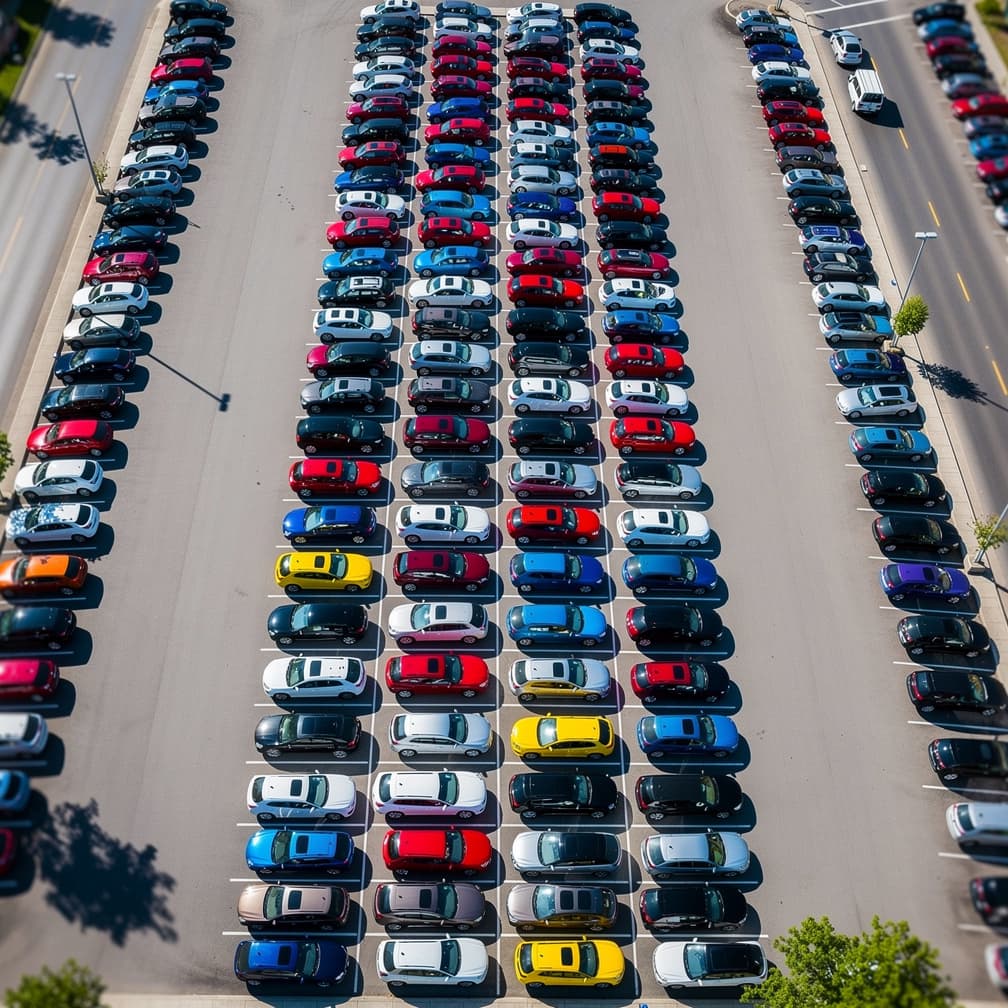
Weather-driven concentration is the local issue. A dealer here may have inventory packed tightly on a paved frontage lot, with additional units staged behind the building or at a separate overflow address. If a fast-moving storm hits, damage is rarely limited to the vehicles customers can see from the road. The practical question is how quickly your team can relocate units, whether keys and battery access are organized for an emergency move, and whether **every place inventory sits** is actually contemplated in the policy review. Texas weather hazards are already addressed on the state page, but the local buying decision is operational: map every parking pattern, note low spots and fence-line exposure, and separate customer vehicles from owned inventory in your records. That gives you a cleaner conversation about limits, storage descriptions, and any conditions tied to unattended locations.
Texas has a very high climate risk rating. Top hazards: Hurricane (Very High), Tornado (Very High), Hailstorm (Very High), Flooding (Very High). The state's expected annual loss from natural hazards is $12.4B, which influences dealer open lot insurance premiums and may affect coverage availability in high-risk areas.
What Dealer Open Lot Insurance Covers
In Texas, the most useful review is not just whether inventory is insured, but how the policy treats the way your dealership actually stores and moves vehicles. A single-location lot with perimeter fencing presents one underwriting picture. A dealer that rotates units between the main lot, a back storage yard, a recon vendor, and occasional auction pickups presents another. If those addresses, custody changes, or movement patterns are not described correctly, you can end up debating whether a loss happened at a scheduled location or during a covered handling step.
You may keep front-line inventory where customers shop, hold overflow units elsewhere, and move vehicles as merchandising changes. Your review should focus on whether each storage arrangement is disclosed, whether temporary offsite holding is addressed, and whether the policy language lines up with your normal transfer process. If a lender or landlord asks for proof of coverage, they usually want the named insured, covered locations, and effective dates to match the real operation.
You should also review how the policy handles practical dealership exposures tied to Texas conditions. Outdoor inventory can face sudden storms and hail, while keys, gate access, and after-hours lot controls affect theft and vandalism exposure. If you use third parties for transport, detailing, or reconditioning, ask how custody is treated before a claim forces the issue. A strong quote review is specific. Scheduled locations, peak inventory values, and offsite storage should all be checked before binding, along with test-drive procedures and any lender-required wording.
Coverage Included

Weather Damage
Covers hail, wind, flood, and storm damage to lot inventory.
Theft Protection
Covers vehicles stolen from your lot.
Fire Damage
Covers fire and explosion damage to inventory vehicles.

Vandalism
Covers intentional damage to vehicles on your lot.
Test Drive Coverage
Covers vehicles during customer and employee test drives.
Transit Coverage
Covers vehicles being moved between lot locations.
Industries & Insurance Needs in Austin
Commercial density changes how inventory is stored and moved here. Travis County has 41,596 business establishments, so many dealers operate near busy retail strips, mixed-use corridors, and service-heavy commercial areas where space is tight and overflow arrangements become part of normal operations. The county's establishment mix also leans toward professional, scientific, and technical services at 20.6%, health care and social assistance at 10.5%, and retail trade at 9.3%, which supports steady commuter and household vehicle demand but also means your lot may sit beside offices, clinics, and storefronts with limited room for expansion. For insurance, that matters less as a market statistic than as a storage reality: if you are using stacked parking, nearby auxiliary space, or frequent vehicle transfers to keep inventory visible and accessible, ask for the quote review to follow those movements. A policy review that assumes one simple lot can miss how your inventory is actually exposed.
What Makes Austin Different
Space pressure is what changes the calculus here. In many local dealership setups, the challenge is not just how many vehicles you own, but how often inventory rotates between a customer-facing lot, recon space, service-area parking, and overflow storage because frontage space is limited and visibility matters. That operating pattern creates a different insurance review from a single, self-contained lot. You need the quote to account for where units sleep overnight, where they wait before detailing or repair, and whether any address is used only during peak inventory periods. Austin's median household income is $91,461, so the inventory mix can skew toward vehicles that tie up more value per unit, which raises the stakes if several are damaged in one event. The useful next step is simple: build a current location schedule before you shop, including temporary and occasional storage spots, then have the policy reviewed against that map.
Our Recommendation for Austin
Start with a location audit, not a vehicle count. List every place dealer-owned units are parked during a normal month, including overflow, back-lot rows, service staging, and any temporary storage you use when fresh inventory lands. Then note which locations are fenced, lit, monitored, or exposed to runoff and which ones are unattended overnight. If your team regularly moves vehicles between addresses, ask how that movement is treated during ordinary operations rather than assuming one blanket answer applies. It is also worth separating your highest-value units on the schedule so you can test whether limits still make sense if several are damaged at once. If a lender, landlord, or partner asks for proof, make sure the evidence of coverage lines up with your actual storage pattern before you send it over. That review is usually more valuable than chasing a quick quote built on an incomplete address list.
Get Dealer Open Lot Insurance in Austin
Enter your ZIP code to compare dealer open lot insurance rates from carriers in Austin, TX.
Business insurance starting at $25/mo
FAQ
Frequently Asked Questions
Austin overflow storage often changes the review because inventory may sit at more than one address during the month. If you use a back lot, auxiliary yard, or temporary staging area, disclose each location so the quote matches how vehicles are actually stored.
Austin buyers often shop vehicles that carry more value per unit, and the city's median household income is $91,461. That makes it worth reviewing whether one weather event affecting several vehicles could strain your current limit.
Travis County has 41,596 business establishments, so many dealerships operate in tight commercial corridors where overflow parking becomes routine. That makes location descriptions and vehicle movement patterns more important during the quote review.
Austin dealers should usually separate recon and service-area parking in their records when dealer-owned units sit there regularly. That helps the policy review distinguish customer vehicles, temporary staging, and sale inventory stored outside the front line.
Travis County's establishment mix includes professional, scientific, and technical services at 20.6%, health care and social assistance at 10.5%, and retail trade at 9.3%. For a dealer, that often translates into steady demand and tighter storage decisions, so review every active parking pattern.
Landlords, floorplan lenders, and some wholesale partners commonly ask for proof before they finalize a lease, release funds, or approve storage arrangements. Gathering those requirements early helps the quote and evidence of coverage match the real operation.
You should list every location where inventory is stored, even if a yard is used only for overflow or short-term holding. That gives the underwriter a clearer picture of the risk and helps you avoid disputes over whether a loss happened at a scheduled location.
Coverage for offsite inventory depends on your policy terms, scheduled locations, and how the vehicles are being stored or moved. If you use overflow yards, recon vendors, or temporary holding areas, ask for those facts to be reviewed before binding.
Sources
- 1.U.S. Census Bureau, ACS 5-Year Estimates, table B19013(Austin's median household income is $91,461, so a single damaged unit can represent more capital tied up on the lot.)
- 2.U.S. Census Bureau, County Business Patterns, Travis County(Travis County has 41,596 business establishments, so many dealers operate near busy commercial areas where overflow arrangements become part of normal operations.; Travis County's establishment mix includes professional, scientific, and technical services at 20.6%, health care and social assistance at 10.5%, and retail trade at 9.3%, which supports steady vehicle demand and tighter storage decisions.)
Updated July 5, 2026