








































Updated July 5, 2026

Inland Marine Insurance in Austin
Higher local incomes and operating costs change how you set limits on mobile property. With Austin median household income at $91,461, replacement labor, service calls, and customer expectations can push the cost of getting specialized equipment or client property back in service faster than a bare minimum schedule suggests. That is the practical lens for inland marine insurance in Austin. If your business moves diagnostic devices, contractor tools, leased equipment, installation materials, or customer items between offices, job sites, and temporary storage, you should review whether each class of property is valued at today's replacement cost and whether your deductible still fits your cash flow. A lower deductible can matter if one stolen laser level, damaged camera package, or lost shipment would interrupt booked work this week, not next quarter. This market also tends to involve tighter timelines, denser routing, and more handoffs between staff, subcontractors, and clients, so itemization and documentation matter. Before you request a quote, pull a current equipment list, note any property you borrow or lease, and separate owned tools from customer goods so limits can be matched to how they actually move.
Inland Marine Insurance Risk Factors in Austin
Austin's top risk factors include Flooding, Hurricane damage, Coastal storm surge, and Wind damage.
Texas has a very high climate risk rating. Top hazards: Hurricane (Very High), Tornado (Very High), Hailstorm (Very High), Flooding (Very High). The state's expected annual loss from natural hazards is $12.4B, which influences inland marine insurance premiums and may affect coverage availability in high-risk areas.
What Inland Marine Insurance Covers
In Texas, inland marine insurance is designed for business property that does not stay at one fixed location, including tools, equipment, building materials, and goods being transported over land. It is especially useful when property is on a job site in Travis County, in temporary storage near a project in Harris County, or moving between locations on Texas highways. The policy can address tools and equipment needs, goods in transit, contractors equipment, installation floater coverage, and builders risk, depending on how the policy is written. Texas does not have a statewide mandate for inland marine coverage, but the Texas Department of Insurance regulates the market, and coverage requirements may vary by industry and business size. That means the insuring agreement, scheduled property, deductible, and endorsements matter more than a one-size-fits-all package.
Property may be protected against theft, damage, vandalism, and other perils while it is away from the primary business location, but the exact exclusions vary by carrier and endorsement. For Texas buyers, that is important because the state's significant weather hazards can affect how carriers structure terms for mobile business property. If your equipment is stored temporarily after a storm or moved to a different county for a project, confirm whether the policy treats that location as covered temporary storage or a separate exposure.
Coverage Included
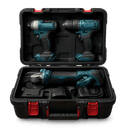
Tools & Equipment
Can help repair or replace hand tools, power tools, and gear that are stolen or damaged on the job or in transit.

Goods in Transit
May cover products, materials, and merchandise while they are being shipped or hauled between locations in your care.
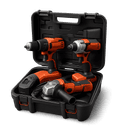
Contractors Equipment
Typically covers heavy machinery like excavators, loaders, and generators against theft or damage at job sites and between them.

Installation Floater
Can help cover materials and fixtures from the moment you buy them until they are installed and accepted at a project.
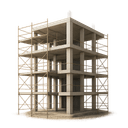
Builders Risk
May cover a structure under construction, along with materials on site, against damage from fire, wind, theft, and vandalism.
Inland Marine Insurance Cost in Austin
Average Cost in Texas
$25 - $120
per month
Businesses in Texas typically see inland marine insurance premiums of $25 - $120 per month, which tends to run 21% above the national range of $20 - $100 per month.
- Total insured value of the scheduled property
- Type and age of the equipment
- Where it is stored and how far it travels
- Jobsite security and theft prevention
- Per-item limits and deductibles
- Prior theft and in-transit losses
Contact CPK Insurance for a personalized quote.
Prices shown are general estimates, not guaranteed rates or quotes. Your actual premium will depend on the insurer, coverage selected, business details, location, claims history, and other underwriting factors. Learn about our pricing methodology.
The average inland marine insurance cost in Texas is about $25 to $120 per month, with the national product range shown as $20 to $100 per month, so Texas pricing is close to the broader market but still shaped by local risk. The state's premium index is 112, meaning you may pay roughly 12 percent more than the national average for similar coverage. In practical terms, that means a business moving property frequently or operating in higher-risk areas may feel that difference at quote time. Carriers also weigh coverage limits and deductibles, claims history, location, industry or risk profile, and policy endorsements, so a contractor storing equipment near the Gulf Coast may see different pricing than a similar business operating inland. Texas weather risk is a major driver because the state's top hazards are all rated very high, and that can influence how carriers price property that is exposed on job sites or in transit.
Crime conditions can matter too, since property crime and burglary trends may affect how insurers evaluate theft exposure for tools left at temporary locations. Texas has hundreds of active insurance companies, which creates competition, but it does not remove the effect of risk selection, especially for businesses with expensive portable property. If you want a more precise quote, the carrier will usually ask about item values, storage practices, travel patterns, and whether the property is scheduled or covered under a blanket limit.
Industries & Insurance Needs in Austin
Travis County's business mix changes which inland marine forms deserve the closest review. County Business Patterns reports 41,596 business establishments in Travis County, and the leading sectors by establishment share are professional, scientific, and technical services at 20.6%, health care and social assistance at 10.5%, and retail trade at 9.3%. So a local buyer often is not insuring only contractor tools. You may need to think about portable testing equipment, cameras, laptops tied to field work, medical devices that travel between locations, installation materials, or customer property in your care while it is being repaired, calibrated, delivered, or displayed. That mix also means many firms carry smaller, higher-value items that are easy to move and easy to lose track of if schedules are generic. Ask for a quote built around the property classes you actually move, not a one-size-fits-all tool floater, and confirm whether transit, temporary locations, and property of others are each scheduled the right way.
What Makes Austin Different
Concentration of mobile, higher-value professional equipment is what changes the calculus here. In many markets, inland marine buying starts and ends with basic contractor tools. Around Austin, a larger share of businesses handle compact equipment that is expensive, specialized, and tied directly to billable appointments or project deadlines. That shifts the conversation from simple theft protection to continuity of operations. If one field laptop, scanner, camera kit, testing device, or client item goes missing, the loss is not just the hardware. It can also delay deliverables, rescheduling, and contract performance. The practical result is that blanket limits can be too loose for some classes of property and too thin for others. You should look closely at whether your policy is better structured with scheduled items, category sublimits, or a mix of both, especially if employees transport equipment in personal vehicles or leave it at temporary work locations between visits. The right review starts with how property moves during a normal week, then matches valuation and deductible choices to that pattern.
Our Recommendation for Austin
Start with an inventory that separates owned equipment, leased or rented items, installation materials, and customer property. That one step usually exposes where a generic limit is too low or where a deductible would be painful after a mid-sized loss. If you operate across multiple appointments each day, ask how the policy treats property in transit, inside vehicles, at temporary sites, and with subcontractors or employees. If your equipment mix changes often, review whether newly acquired property terms are broad enough for how quickly you put new gear into service. If you sign client contracts, compare the insurance requirements against your actual inland marine form instead of assuming general property coverage follows items off premises. You may also want to document serial numbers, photos, and replacement values before renewal, because claim handling is easier when the schedule is current. Request a quote only after you can show what travels, who has custody, and the highest-value items that would interrupt revenue if they were damaged or stolen.
Get Inland Marine Insurance in Austin
Enter your ZIP code to compare inland marine insurance rates from carriers in Austin, TX.
Business insurance starting at $25/mo
FAQ
Frequently Asked Questions
Austin buyers usually decide this based on how specialized their gear is. With median household income at $91,461, replacement and service expectations can be expensive, so higher-value items often deserve individual scheduling while lower-value tools may fit a blanket approach.
Austin businesses should first separate their own property from customer items in their care. That makes it easier to request limits that match real custody exposures during pickup, delivery, repair, calibration, installation, or temporary storage.
Travis County has 41,596 business establishments, so many local firms work through frequent handoffs, deliveries, and short-notice service calls. That makes transit, temporary location, and documentation details worth reviewing before you bind coverage.
Austin area demand is broader than contractor tools. In Travis County, professional, scientific, and technical services make up 20.6% of establishments, so portable testing devices, cameras, laptops, and similar field equipment often belong in the coverage review.
In Texas, it may help cover mobile business property such as tools, equipment, building materials, and goods being transported between locations, including items kept at job sites or temporary storage, subject to the policy terms.
It is designed to follow covered property away from your fixed premises, so items at a Texas job site or in temporary storage may be protected if the policy includes that location and the loss fits a covered peril.
Contractors, electricians, plumbers, landscapers, installers, and any Texas business that regularly moves valuable property between counties, customer locations, or storage sites may want to review this coverage.
Premiums are influenced by coverage limits, deductibles, claims history, location, industry risk, and endorsements, and Texas weather exposure can also affect how carriers price the policy.
Sources
- 1.U.S. Census Bureau, ACS 5-Year Estimates, table B19013(Austin median household income)
- 2.U.S. Census Bureau, County Business Patterns, Travis County(Business establishments in Travis County; Leading business sectors in Travis County by establishment share are professional, scientific, and technical services 20.6%, health care and social assistance 10.5%, and retail trade 9.3%)
Updated July 5, 2026





