







































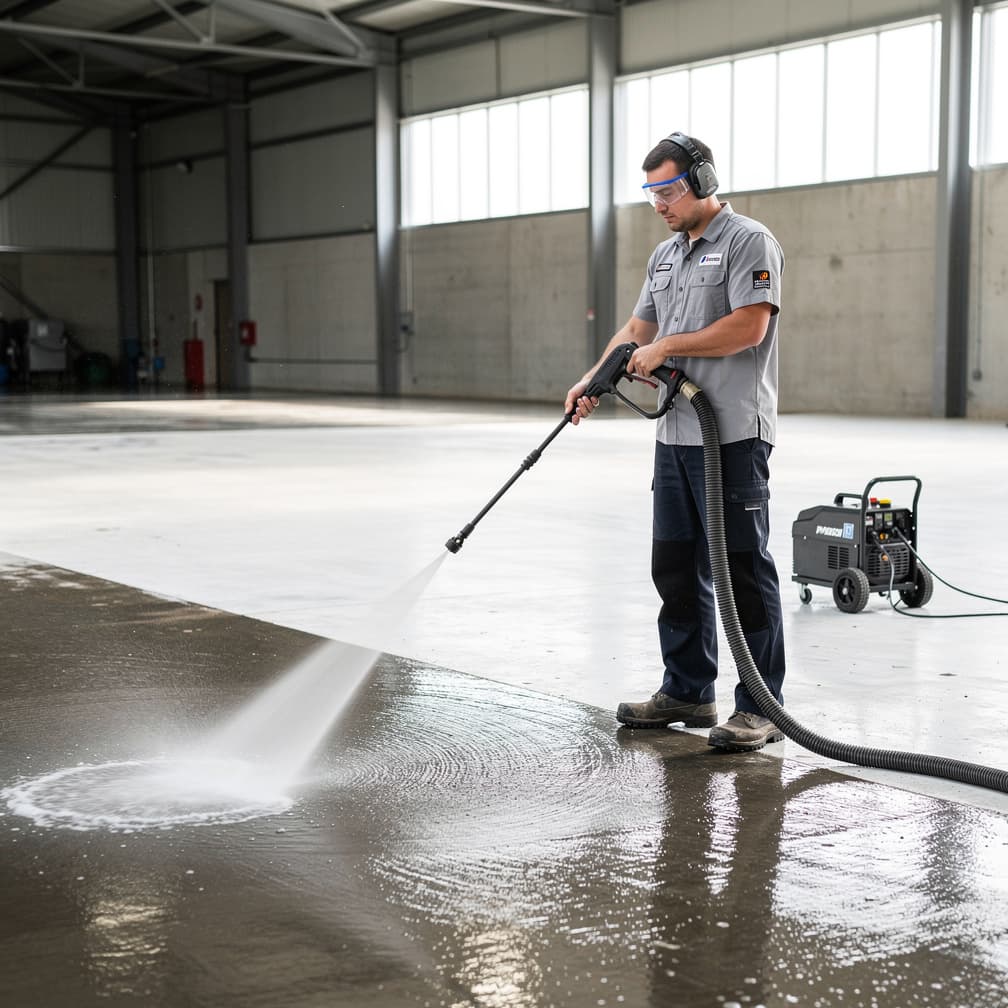

Nothing about a wash quote is standard, which is why the published spread runs from $35 to $130 a month for the liability line alone. Two owners with matching trucks land in different places on it because one soft-washes second-story siding and the other only does flatwork. Pressure washing insurance in Dallas prices the work described, not the truck photographed. Revenue, payroll, the chemicals you use, and the surfaces you agree to touch all show up in the number. Deductibles do too, and a low premium with a high retention is a decision, not a bargain. Ask what the quote assumed about your work before you set it beside another one in Texas.
What Makes Dallas Different
Additional insured wording is where a washing contract quietly stops being about washing at all. The requesting party wants their entity named on your policy, not merely listed on a certificate. Those are different things, and only one of them changes what a carrier owes anybody later. A vendor packet from a large owner in Dallas may also demand primary and non-contributory language. It can ask for a waiver of subrogation, which limits what your carrier chases afterward. Each request is an endorsement, each endorsement is a decision, and some carriers decline outright. Participating carriers in Texas take different positions on that wording for the same described work. Send the actual contract language when you request quotes; a summary of it wastes everyone's time.
Local Risk Factors in Dallas
Severe storm cells do their damage in minutes and their disruption over days. A tornado warning in Dallas shuts a job site down, and hail or straight-line wind behind it leaves your trailer, tarps, and chemicals scattered across a lot. Gear that moves between jobs is exactly the gear that is outside when this happens, and Inland Marine is generally the line written for equipment away from a fixed address. Where the trailer sat matters to that claim. The cleanup work that follows a storm is real revenue, and it arrives with pressure to move fast on unfamiliar surfaces. Rushing is how a storm week turns into a damage claim of your own making in Texas.
What Coverage Does a Pressure Washing in Dallas Need?
General Liability
Third-party damage is the whole story here: the client's etched concrete, the neighbor's overspray-dusted car, the tenant who slips on an entry you just rinsed. Landlords and property managers demand this line before a work order releases. It typically will not answer for damage to the exact surface you were hired to clean, which is the exclusion worth asking about.
Example: A wand lingers a beat too long and a customer's stamped patio comes back swirled and permanent; the repair bill and the argument behind it are what General Liability may take on.
Commercial Auto
Your truck hauls a trailer, a tank, and everything that earns money, which is why personal auto policies commonly exclude the trip entirely. This line is meant for business vehicle use: collisions between jobs, damage to the truck, and liability when a loaded trailer is involved. Hired and non-owned wording matters when a helper drives their own car for supplies.
Example: A helper backs the trailer into a bollard at a strip center and clips a parked sedan on the way out; Commercial Auto is generally the line that picks up the vehicle damage.
Tools & Equipment (Inland Marine)
Pumps, hoses, reels, wands, tanks, and surface cleaners rarely sit still, and that movement is exactly what a standard property form handles poorly. Inland Marine is intended for gear in transit and at job sites, including theft from a locked trailer. Wear, mechanical breakdown, and a pump left full through a freeze usually fall outside it.
Example: The trailer is emptied overnight at a yard and the surface cleaner, two reels, and a spare pump are gone by first light; equipment coverage might fund the replacement.
Workers Compensation
Employees get hurt in ways your clients never see: a hot-water burn, a fall from a ladder at second-story siding, a back that gives out under a hose reel. This line is rated per $100 of payroll and is intended for medical costs and lost wages after a work injury. Requirements vary by state, so check the Texas Department of Insurance's guidance before deciding.
Example: A helper slips on a wet loading dock and fractures a wrist halfway through a soft-wash job; the medical bills and part of the lost pay are what Workers Compensation is meant to handle.
How Much Does Pressure Washing Insurance Cost in Dallas?
Pressure Washing Insurance is a bundle of separate policies, priced separately. The ranges below are typical figures for Dallas for each line, except workers compensation, which is rated per $100 of payroll; a quote prices each one against your own operations.
| Coverage | Typical range | What moves your price |
|---|---|---|
| General Liability Insurance | $90 - $280 per month | Industry and risk classification, annual revenue, number of employees |
| Commercial Auto Insurance | $220 - $550 per month | Fleet size and vehicle types, driver records and experience, coverage limits and deductibles |
| Inland Marine Insurance | $20 - $95 per month | Total insured value of the scheduled property, type and age of the equipment, where it is stored and how far it travels |
| Workers Compensation Insurance | $0.75 - $2.74 per $100 of payroll | Employee classification codes, total annual payroll, experience modification rate |
Prices shown are general estimates, not guaranteed rates or quotes. Your actual premium will depend on the insurer, coverage selected, business details, location, claims history, and other underwriting factors. Learn about our pricing methodology.
What Are the Insurance Requirements for a Pressure Washing in Dallas?
Workers' comp is not mandatory for most private employers here. Texas leaves workers' compensation optional for most private employers. Skipping it leaves injury costs on you, and many clients and landlords still demand proof of it by contract — check the Texas Department of Insurance's guidance before deciding.
State auto liability minimums apply to business vehicles. Texas's minimum auto liability limits are $30,000/$60,000/$25,000 (bodily injury per person / per accident / property damage). Contracts and lenders often require more than the state floor.
Where to verify licensing and coverage rules. The Texas Department of Insurance publishes consumer guidance and current insurance requirements for Texas businesses. When a contract or lease demands specific wording, the Texas Department of Insurance's guidance is the authoritative place to check.
Get Your Pressure Washing Quote in Dallas
Compare rates from multiple carriers. Free quotes, no obligation.
Operating in Dallas
- Storage matters. A pump left in an open trailer at a job site overnight is a different risk than the same pump behind a locked gate, and policy wording notices the difference.
- A property manager in Dallas can hold your work order until a current certificate is on file, so a lapsed policy idles a crew that is otherwise booked and ready to run.
- Overspray does not stop at the property line. A car parked one bay over collects a fine mist of detergent and grit, and the client's neighbor sends you the repaint quote.
- Wet concrete stays a hazard for an hour after your truck leaves, and the person who slips on it is usually someone who never hired you and never signed anything.
How to Buy: Advice for Dallas Owners
Before the first big commercial job, count the parties who could end up on one claim. The tenant who slips, the landlord who owns the walkway, the management company that hired you, and the neighbor whose car caught the overspray are four separate demands against one policy year. That is an aggregate question, and General Liability aggregates are annual, not per job. With about 70,500 businesses in Dallas County, a single commercial route can put several of those parties on one block. Commercial Auto has its own limit and its own math, so do not let one conversation cover both. Ask what the aggregate is and what raising it costs, in the same conversation. Ask whether defense costs sit inside the limit or outside it, because that answer quietly halves some quotes. The Texas Department of Insurance publishes consumer guidance on liability limits for small businesses. Compare quotes from participating carriers with both numbers in front of you.
FAQ
Pressure Washing Insurance in Dallas: FAQ
Generally not, and assuming otherwise is expensive twice. An uninsured sub's mistake can come back at you as the hiring party, and at audit that sub is commonly reclassified as your payroll, which raises the premium after the fact. Collect a certificate from every sub before they touch a job and keep it on file. Ask any participating carrier in Texas how it treats uninsured subs before you build a crew that way.
Because the file differs, not the map. Payroll, revenue, claims history, the surfaces described, the heights worked, the vehicles listed, and the chemicals used all sit in a submission, and two owners with the same truck can describe very different businesses. Underwriting appetite differs between participating carriers too, so one submission lands in several different places. That is the whole reason comparing quotes is worth an afternoon.
There is no flat answer, because the quote gets built from your payroll, your revenue, the surfaces you agree to touch, and how high you work. A solo operator doing residential flatwork and a two-crew outfit soft-washing second-story siding submit very different applications. Claims history moves it again, and your vehicles usually cost more to insure than your equipment does. The cost table on this page shows the published ranges for each line in Dallas.
Often, through an endorsement, and it is not automatic just because the certificate lists them. Additional insured status extends certain rights under your policy to that party, which is exactly what a vendor packet is asking for when it demands the wording. Carriers differ on which forms they will issue and whether each request carries a fee. Ask before you sign the contract, because a promise you cannot buy is still a promise.
Maybe not, and this is the gap owners are most surprised by. Damage to the surface you were hired to work on can fall under a care, custody, and control exclusion, while damage to something nearby, like siding or a parked car, is more likely to be treated as third-party property damage. The wording differs between carriers, so ask about that exclusion in plain language and get the answer before the job.
Probably, and a personal auto policy is where this goes wrong. Personal policies commonly exclude business use, and towing a trailer full of tanks and pumps to a paying job is business use by any reading. If the vehicle is titled to the business or used for work most days, Commercial Auto is generally the line that applies. Ask what happens when a helper drives it across Dallas, since that answer can differ.
Sources
- 1.U.S. Census Bureau, County Business Patterns (2022), Dallas County(Dallas County has about 70,500 business establishments.)
- 2.Texas Department of Insurance(Texas Department of Insurance publishes consumer guidance for insurance buyers.)


