








































Updated July 16, 2026

Business Owners Policy Insurance in Dallas
Do you need a business owners policy in Dallas, or should you piece coverage together line by line? For many local owners, a BOP is worth reviewing first because the pace of local commerce rarely waits for a patchwork policy review. The real question is whether your setup still fits how you operate across neighborhoods like Uptown, Oak Lawn, Deep Ellum, and the Design District.
Buyers here often work in spaces where property values, foot traffic, and landlord requirements can change block by block. In the county containing Dallas, there are 70,472 business establishments. That volume means proof of coverage gets requested early and often, so your policy details need to be accurate before the first certificate is asked for. If your business has added equipment, inventory, tenant improvements, or off-site work since your last renewal, this is the place to compare your current package against how you actually operate now.
Business Owners Policy Insurance Risk Factors in Dallas
Dallas's top risk factors include Flooding, Hurricane damage, Coastal storm surge, and Wind damage. 19% of Dallas is in a flood zone, commercial property policies should include flood endorsements or separate flood insurance. Hurricane damage and Coastal storm surge and Wind damage are leading causes of property damage claims, verify your policy covers these perils.
Texas has a very high climate risk rating. Top hazards: Hurricane (Very High), Tornado (Very High), Hailstorm (Very High), Flooding (Very High). The state's expected annual loss from natural hazards is $12.4B, which influences business owners policy insurance premiums and may affect coverage availability in high-risk areas.
What Business Owners Policy Insurance Covers
A Texas BOP usually combines commercial property and general liability in one package, and many policies also include business income coverage for a temporary shutdown after a covered event. That bundled structure is useful in Texas because severe storms are common, and property losses can affect buildings, equipment, and inventory at the same time. Coverage decisions still vary by carrier, so your policy should be reviewed line by line for limits, deductibles, and endorsements. Texas does not require workers' compensation for private employers, so a BOP does not replace that separate decision; it simply addresses the property and liability side of your insurance program.
Your policy may also be customized with equipment breakdown coverage, which can help cover repair or replacement costs if a covered mechanical or electrical failure interrupts operations. Some carriers offer hired and non-owned auto coverage as an added endorsement. Business income coverage is especially important for businesses that rely on rent, payroll, utilities, or customer traffic, because it can help with ongoing expenses during a covered closure. Exclusions and endorsement options vary, so a policy written for a retail shop in San Antonio may differ from one written for a service business in Austin or a coastal operation near Houston. State regulators oversee the market, but the exact requirements depend on your industry, property, and carrier underwriting.
Coverage Included
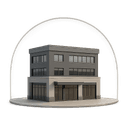
Commercial Property
Can help repair or replace your building, equipment, inventory, and furnishings after covered events like fire, wind, or theft.

General Liability
Can help cover customer injuries, damage to property owned by others, and related legal costs your business becomes responsible for.
Business Income
May replace lost income and help pay rent, payroll, and other continuing expenses while covered damage forces a temporary shutdown.

Equipment Breakdown
Typically covers repair or replacement when equipment like air conditioning, refrigeration, or computers fails from a sudden mechanical or electrical breakdown.
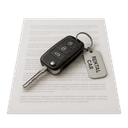
Hired & Non-Owned Auto
May respond when vehicles your business rents or employees' personal cars are used for work and cause an accident.
Business Owners Policy Insurance Cost in Dallas
Average Cost in Texas
$55 - $210
per month
Businesses in Texas typically see business owners policy insurance premiums of $55 - $210 per month, which tends to run 26% above the national range of $50 - $160 per month.
- Annual revenue and industry class
- Building and contents values
- Square footage and building age
- Catastrophe exposure at your address
- Liability limits and property deductibles
- Claims history
Contact CPK Insurance for a personalized quote.
Prices shown are general estimates, not guaranteed rates or quotes. Your actual premium will depend on the insurer, coverage selected, business details, location, claims history, and other underwriting factors. Learn about our pricing methodology.
Business owners policy cost in Texas typically reflects a state average of about $55 to $210 per month, depending on the quote source and policy design. That sits above the national benchmark, which fits a market where premiums run roughly 12% higher than the typical U.S. business pays for similar coverage. Texas also has very high exposure to wind and hail losses, and those hazards can push pricing higher for businesses in coastal counties, storm-prone corridors, or older buildings.
Location matters beyond the city name. A storefront in Austin's urban core, a warehouse near the Gulf Coast, a retail shop in hail-prone North Texas, or a business in a flood-exposed area can all receive different pricing. Carrier competition is strong, with hundreds of active insurers in the state, so shopping multiple quotes can matter as much as the property itself. A business with higher property values, more inventory, or more equipment coverage usually sees a different premium than a low-value office with limited contents. Because most Texas businesses are smaller operations, many carriers price for smaller premises, but larger footprints or higher-risk operations may move outside standard appetite.
Industries & Insurance Needs in Dallas
The county business mix changes what a BOP quote needs to emphasize. In the county containing Dallas, the largest establishment shares are professional, scientific, and technical services at 15.2%, health care and social assistance at 11.5%, and retail trade at 11.1%, so a local buyer often needs to focus less on a generic package and more on the property and liability details that fit the way the business earns revenue.
For an office-based firm, that can mean reviewing business personal property, leased-space improvements, and client-visit liability. For a clinic or care-oriented operation, it can mean separating what belongs in a BOP from professional liability or other specialized policies. For a retailer, stock levels, seasonal inventory swings, and customer slip-and-fall exposure usually deserve a closer look before renewal. Use the county mix as a prompt to ask whether your quote is built for your actual class of business, not just your square footage.
What Makes Dallas Different
What changes the calculus here is how many parties interact before a deal closes. In a market where landlords, property managers, vendors, and commercial clients interact constantly, the practical value of a BOP is often administrative as much as financial. You need coverage that can be evidenced clearly and adjusted without slowing down a lease signing, build-out, or client onboarding.
That is why buyers should pay close attention to how the policy is scheduled. If you lease a suite, share workspace, run a street-facing retail unit, or operate a small warehouse tied to a front office, your property schedule and liability limits should match the address and how you use the space. A policy that looks adequate on paper can still create friction if certificate requests, named insured details, or occupancy descriptions are off. Review those operational details before you bind, especially if you have more than one location or revenue from both walk-in and appointment-based activity.
Our Recommendation for Dallas
Start with your lease. Pull the insurance section and compare it against your current limits, additional insured wording, and any responsibility you accepted for glass, signs, or interior build-out. Then match that to your property schedule, not just your renewal premium, so the numbers reflect what you actually stand to lose.
Next, separate bundled convenience from exposure fit. A BOP can be efficient, but you should still ask whether your inventory peaks, specialized equipment, or customer-facing operations create gaps that need endorsements or a companion policy. Households here earn a median income of $67,760. That spending power raises expectations, so a disruption that forces you to close or relocate can cost you customers who expect continuity and professionalism. Think through how long an interruption would affect cash flow, receivables, and customer retention. Bring your lease, recent certificate requests, and a current equipment or inventory list into the quote process so the proposal can be reviewed against real operating documents.
Get Business Owners Policy Insurance in Dallas
Enter your ZIP code to compare business owners policy insurance rates from carriers in Dallas, TX.
Business insurance starting at $25/mo
FAQ
Frequently Asked Questions
Office and storefront businesses often start with a BOP, but the right answer depends on your lease terms, customer traffic, and property inside the space. Here, many owners should review tenant improvements, signage, and certificate requirements before deciding the package is complete.
The county has 70,472 business establishments. **That level of activity means policy accuracy is practical, not cosmetic**, especially for named insured details and occupancy descriptions.
Professional services represent 15.2% of establishments, health care and social assistance 11.5%, and retail trade 11.1%. Those splits matter because a clinic carries different premises liability exposure than a boutique, which means each sector deserves its own review rather than a one-size approach.
Lease reviews should focus on insurance clauses first, then your policy schedule. Compare required limits, additional insured wording, responsibility for improvements and betterments, and whether the insured address and business description still match how you occupy the space.
Businesses with a primary location and some off-site operations may still find a BOP worth quoting, but only after checking how property, tools, and liability are handled away from the premises. That review is especially important if your revenue mix changed this year.
In Texas, a BOP usually combines commercial property and general liability, and many policies also include business income coverage. Depending on the carrier, you may be able to add equipment breakdown coverage or other endorsements, but the exact package varies by insurer and business type.
The state-specific average range is about $55 to $210 per month. Your quote will depend on location, limits, deductibles, claims history, industry, and endorsements.
Texas does not set one universal BOP requirement for all businesses, and regulators oversee the market rather than forcing every business into the same form. Eligibility and policy terms vary by carrier, industry, size, and property characteristics.
Sources
- 1.U.S. Census Bureau, County Business Patterns, Dallas County(In the county containing Dallas, there are 70,472 business establishments, so owners regularly run into counterparties who expect certificates, additional insured requests, and clear proof of occupancy-related coverage before work starts or keys change hands.; In the county containing Dallas, the largest establishment shares are professional, scientific, and technical services at 15.2%, health care and social assistance at 11.5%, and retail trade at 11.1%, so a local buyer often needs to focus less on a generic package and more on the property and liability details that fit the way the business earns revenue.)
- 2.U.S. Census Bureau, ACS 5-Year Estimates, table B19013(If you serve households in a city where median household income is $67,760, you may also want to think through how long an interruption would affect cash flow, receivables, and customer retention, rather than only replacing furniture or fixtures.)
Updated July 16, 2026





