Updated July 16, 2026

Commercial Auto Insurance in Dallas
Property managers, lenders, venues, and general contractors in the area often want proof that your vehicles are insured before they hand over gate access, loading instructions, or a work order. Satisfying that request usually means having a current certificate, matching vehicle schedules to the units you actually send out, and making sure hired and non-owned auto questions are answered before a driver shows up at a job site. Your policy has to line up with how your vehicles actually move between client locations and job sites during a normal week. Dallas County has 70,472 business establishments, so proof-of-coverage requests are a routine part of vendor onboarding, lease negotiations, and subcontractor compliance. Pull your driver list, vehicle VINs, garaging addresses, and any contract insurance requirements into one file before you shop. That makes it easier to review limits, endorsements, and ownership details before a certificate request slows down a job.
Commercial Auto Insurance Risk Factors in Dallas
Local vehicle exposure is shaped less by one neighborhood and more by how often your drivers transition between dense commercial districts, structured parking, loading zones, and multi-stop service routes in a single day. That pattern matters because a policy review should look beyond the unit count and into where vehicles are parked, who takes them home, whether tools or equipment stay in the vehicle overnight, and how often employees use personal cars for errands, sales calls, or site visits. Texas weather hazards are part of the background here, so you should review comprehensive deductibles, glass claims tolerance, and any gap between the value of upfitted vehicles and the amount a loss settlement would actually recognize. If your crews work early, late, or across several client sites, ask for a quote that separates **owned, hired, and non-owned exposure** clearly. That usually produces a cleaner certificate and fewer surprises after a claim.
Texas has a very high climate risk rating. Top hazards: Hurricane (Very High), Tornado (Very High), Hailstorm (Very High), Flooding (Very High). The state's expected annual loss from natural hazards is $12.4B, which influences commercial auto insurance premiums and may affect coverage availability in high-risk areas.
What Commercial Auto Insurance Covers
In Texas, commercial auto insurance is built around business-use vehicles such as cars, vans, trucks, and specialty vehicles, and the policy usually centers on liability, collision, comprehensive, medical payments, and uninsured motorist protection. The state minimum liability level applies to commercial vehicles, but that minimum is only the starting point for businesses that face heavier traffic, higher claim severity, or vehicles that regularly operate in Austin, Dallas, Houston, San Antonio, or along coastal routes. Liability is the core protection for bodily injury and property damage you may cause to others in a vehicle accident, while collision addresses damage to your own vehicle after a crash and comprehensive responds to theft or weather-related damage. Texas weather matters here because severe storm and flooding risk is rated very high, so comprehensive can be especially relevant for vehicles parked outdoors or traveling through storm-prone corridors.
Hired auto and non-owned auto coverage are important endorsements if your business rents vehicles or has employees using personal vehicles for company errands, client visits, or deliveries. Personal auto policies often do not fully address business use, so Texas buyers should confirm whether the policy is a true business auto solution or whether endorsements are needed to close gaps. Uninsured motorist protection also deserves attention because many Texas drivers may be uninsured, which can affect recovery after a vehicle accident involving another driver without enough coverage.
Coverage Included

Bodily Injury Liability
Covers injuries you cause to others in an accident

Property Damage Liability
Covers damage you cause to others' property
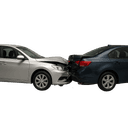
Collision Coverage
Pays for damage to your vehicle in an accident

Comprehensive Coverage
Covers theft, vandalism, weather, and animal damage

Medical Payments
Covers medical costs for your drivers and passengers

Uninsured Motorist
Protection when the other driver lacks insurance

Hired & Non-Owned Auto
Covers rented or employee-owned vehicles used for work
Commercial Auto Insurance Cost in Dallas
Average Cost in Texas
$150 - $470
per month
Businesses in Texas typically see commercial auto insurance premiums of $150 - $470 per month, which tends to run 13% above the national range of $140 - $410 per month.
- Fleet size and vehicle types
- Driver records and experience
- Coverage limits and deductibles
- Business industry and use
- Annual mileage and operating radius
- Claims history
Rates based on small business averages. Your actual premium may vary.
Prices shown are general estimates, not guaranteed rates or quotes. Your actual premium will depend on the insurer, coverage selected, business details, location, claims history, and other underwriting factors. Learn about our pricing methodology.
Texas pricing for commercial auto insurance reflects both statewide risk and the way your vehicles are used. Texas also shows a premium index of 112, which means rates run above the national average, so your business may pay more here than in other states. That competition can help buyers compare options, but the final cost still depends on fleet size and vehicle types, driver records and experience, coverage limits and deductibles, business industry and use, annual mileage and operating radius, and claims history.
Weather exposure is a major local factor because severe storm and flooding risk is very high, and those conditions can influence comprehensive and collision pricing. Vehicle accident data also matters: Texas recorded 542,000 crashes in 2023, which means a busy road environment where insurers expect more frequent claims. The state also saw 4,283 fatalities and a fatal crash rate of 1.55 versus the national average of 1.33, which means a serious accident is more likely here, and that severity is what insurers price into liability premiums. The top causes included drowsy driving, distracted driving, impaired driving, speeding, and lane departure. Businesses that run more miles across the state, operate in dense metro traffic, or use trucks for frequent hauling may see different pricing than a local office-based operation. If you want a quote, expect the insurer to ask about your radius of operation, garaging locations, driver lists, and whether you need hired auto, non-owned auto, or fleet coverage.
Industries & Insurance Needs in Dallas
County business mix changes the way many local buyers should structure auto coverage. In Dallas County, the leading sectors by establishment share are professional, scientific, and technical services at 15.2%, health care and social assistance at 11.5%, and retail trade at 11.1%, so a large share of businesses are not running heavy fleets but still create regular business-driving exposure. That matters if your company assumes a personal auto policy, or a basic businessowners package, is enough for partner visits, patient services, deliveries, store transfers, or manager errands. For many firms here, the real issue is not long-haul mileage. It is frequent short trips, employee drivers, and occasional use of personal vehicles for company tasks. When you request quotes, describe who drives, what is owned by the business, what is employee-owned, and whether any vehicle carries inventory, samples, or equipment. That is often where the coverage gap appears.
What Makes Dallas Different
Certificate pressure drives the buying calculus here. In a county with tens of thousands of businesses, a commercial auto policy is often judged first by how cleanly it supports contracts, property access, and vendor approval, not just by whether it satisfies a minimum requirement. If your business works with office buildings, medical facilities, retail centers, event venues, or general contractors, you may be asked for proof quickly and with specific named-insured or vehicle details that have to match the policy record. What separates prepared buyers from scrambling ones is whether their paperwork is already organized. A cheaper-looking quote can become expensive if the carrier setup, garaging information, or driver roster is incomplete and your certificate request gets delayed. Look at how vehicles are titled, whether any are newly acquired, who is authorized to drive them, and whether employees ever use their own cars for work. You want a policy that can stand up to real certificate scrutiny before a contract start date forces a rushed fix.
Our Recommendation for Dallas
Focus first on the documents local counterparties actually scrutinize. Gather registrations, VINs, lienholder information, driver license details, and any sample insurance requirements from leases, master service agreements, or subcontractor packets. Then review whether each vehicle is owned by the business, leased, financed, or personally owned but used for work, because that changes how you should ask about hired and non-owned auto protection. If your operation sends staff to client offices, medical appointments, retail locations, or multiple job sites in one week, map that usage clearly instead of describing the fleet in broad terms. Dallas median household income is $67,760, so a higher deductible that trims your premium could still bite hard if a claim takes your vehicle off the road and you are covering rental costs out of pocket. Compare deductibles, physical damage terms, and rental reimbursement side by side, then choose the structure you can realistically carry through a claim.
Get Commercial Auto Insurance in Dallas
Enter your ZIP code to compare commercial auto insurance rates from carriers in Dallas, TX.
Business insurance starting at $25/mo
FAQ
Frequently Asked Questions
Property managers, lenders, venues, and contractors commonly ask for proof before access or work begins. Because vendor onboarding moves quickly here, keep your certificate-ready details current, including named insured, vehicle schedule, and any hired or non-owned auto needs.
Businesses with one or two company vehicles often still need a commercial policy if those units are titled to the business or used regularly for work. What matters is how the vehicle is owned, driven, and described in contracts.
The local business mix matters. Professional services, health care, and retail make up 15.2%, 11.5%, and 11.1% of establishments, respectively, so many buyers need to review employee driving, errands, deliveries, and client visits, not just fleet size.
Certificate requests go smoother when your vehicle and driver details are already organized. That lets you compare quotes based on actual vehicle use instead of fixing ownership or endorsement issues later.
Owner-operators should choose deductibles they can realistically absorb during downtime. With median household income at $67,760, a higher deductible may lower premium, but it can create cash-flow pressure if a claim takes your vehicle off the road.
In Texas, the policy may help cover liability for bodily injury and property damage, collision for crash damage to your vehicle, comprehensive for theft or weather-related losses, medical payments, and uninsured or underinsured motorist protection. If you add the right endorsement, it may also help with hired and non-owned vehicles used for business.
The typical range for the state is about $150 to $470 per month per vehicle, while small-business annual costs commonly fall around $1,200 to $2,400 per vehicle. Your actual price varies by vehicle type, driver records, mileage, operating radius, claims history, and coverage choices.
Any business using vehicles for work should review this coverage, including companies with a single company car, service vans, pickup trucks, delivery vehicles, or a larger fleet. Texas businesses that send employees to client sites, job sites, or delivery stops often need a policy or endorsements that match that use.
Sources
- 1.U.S. Census Bureau, County Business Patterns, Dallas County(Dallas County has 70,472 business establishments, so proof-of-coverage requests are a routine part of vendor onboarding, lease negotiations, and subcontractor compliance.; In Dallas County, the leading sectors by establishment share are professional, scientific, and technical services at 15.2%, health care and social assistance at 11.5%, and retail trade at 11.1%, so a large share of businesses are not running heavy fleets but still create regular business-driving exposure.)
- 2.U.S. Census Bureau, ACS 5-Year Estimates, table B19013(Dallas median household income is $67,760, so replacing a work vehicle after a loss can strain household cash flow for owner-operators and small teams if downtime pushes you into rentals or out-of-pocket transportation costs.)
Updated July 16, 2026