Updated July 5, 2026

Dealer Open Lot Insurance in Dallas
Are you really buying the same policy form as any other Texas dealer, or does dealer open lot insurance in Dallas need a different review? It needs a different review, because local inventory exposure is often shaped by how tightly your lot, overflow parking, service area, and lender expectations fit into a dense commercial market. Here, the practical question is not just how many units you carry. It is where each vehicle sits during the week, how often units move between retail frontage and secondary storage, and whether your reported locations still match your actual operations. Dallas household buying patterns can push dealers to merchandise carefully around payment sensitivity, vehicle condition, trim, and financing terms. That can change how long certain units stay on hand, how often inventory is repositioned, and how much value is concentrated on the lot at one time. If your stock mix, storage pattern, or reconditioning flow has changed over the last renewal cycle, ask for a quote review built around current locations, peak inventory values, and any routine off-hours parking arrangements.
Dealer Open Lot Insurance Risk Factors in Dallas
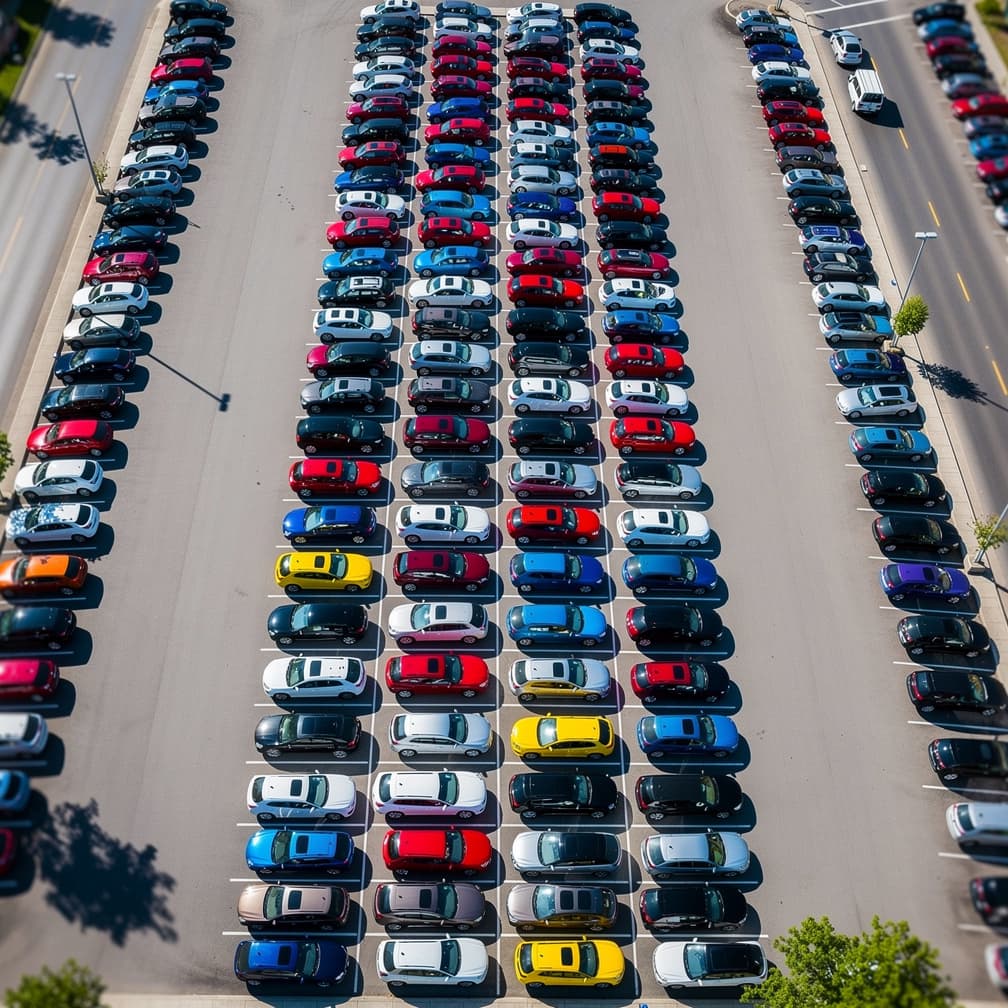
Local weather exposure is the part to review first. Texas faces leading natural hazards that can damage outdoor inventory, so a dealer here should look closely at how the policy treats weather-driven physical loss, temporary relocation, and concentration of units in one open area. That matters most if your operation uses overflow spaces, keeps vehicles tightly parked during high-volume periods, or leaves newly acquired units outside while they wait for inspection or front-line prep. A practical review starts with your site map. Confirm every place where vehicles are parked, whether fencing, lighting, and drainage have changed, and whether your highest-value units are clustered in the same section of the lot. Then compare deductible tolerance against the amount of inventory you may have exposed overnight or over a weekend. If your current schedule does not match where vehicles actually sit, fix that before the next weather event tests the policy wording.
Texas has a very high climate risk rating. Top hazards: Hurricane (Very High), Tornado (Very High), Hailstorm (Very High), Flooding (Very High). The state's expected annual loss from natural hazards is $12.4B, which influences dealer open lot insurance premiums and may affect coverage availability in high-risk areas.
What Dealer Open Lot Insurance Covers
In Texas, the most useful review is not just whether inventory is insured, but how the policy treats the way your dealership actually stores and moves vehicles. A single-location lot with perimeter fencing presents one underwriting picture. A dealer that rotates units between the main lot, a back storage yard, a recon vendor, and occasional auction pickups presents another. If those addresses, custody changes, or movement patterns are not described correctly, you can end up debating whether a loss happened at a scheduled location or during a covered handling step.
You may keep front-line inventory where customers shop, hold overflow units elsewhere, and move vehicles as merchandising changes. Your review should focus on whether each storage arrangement is disclosed, whether temporary offsite holding is addressed, and whether the policy language lines up with your normal transfer process. If a lender or landlord asks for proof of coverage, they usually want the named insured, covered locations, and effective dates to match the real operation.
You should also review how the policy handles practical dealership exposures tied to Texas conditions. Outdoor inventory can face sudden storms and hail, while keys, gate access, and after-hours lot controls affect theft and vandalism exposure. If you use third parties for transport, detailing, or reconditioning, ask how custody is treated before a claim forces the issue. A strong quote review is specific. Scheduled locations, peak inventory values, and offsite storage should all be checked before binding, along with test-drive procedures and any lender-required wording.
Coverage Included

Weather Damage
Covers hail, wind, flood, and storm damage to lot inventory.
Theft Protection
Covers vehicles stolen from your lot.

Fire Damage
Covers fire and explosion damage to inventory vehicles.

Vandalism
Covers intentional damage to vehicles on your lot.
Test Drive Coverage
Covers vehicles during customer and employee test drives.

Transit Coverage
Covers vehicles being moved between lot locations.
Industries & Insurance Needs in Dallas
County business density is the local pressure point. Dallas County has 70,472 business establishments, so dealers often operate in a crowded commercial environment where shared access points, neighboring tenants, customer traffic, and vendor movement can complicate where inventory is parked and who has proximity to it. The county mix also matters: professional, scientific, and technical services account for 15.2% of establishments, health care and social assistance 11.5%, and retail trade 11.1%. That blend supports steady daytime traffic and mixed-use commercial corridors, which can make overflow parking and vehicle movement a practical necessity rather than an exception. For your insurance review, that means documenting every routine storage pattern, not just the main display lot. If vehicles are staged behind the building, beside service bays, or at a secondary commercial site, ask for those arrangements to be reviewed against your current exposure instead of assuming the main address tells the whole story.
What Makes Dallas Different
Commercial density is what changes the calculus here. In a market tied into a large county business base, dealer inventory is more likely to be moved, staged, or stored in ways that look temporary operationally but create permanent insurance consequences if they are not disclosed correctly. That is the local difference worth focusing on. Many dealerships here operate near other active businesses, shared lots, service vendors, and customer-heavy corridors rather than on isolated parcels. For dealer open lot coverage, that raises practical questions about where units wait for recon, where trade-ins sit before processing, and whether overflow inventory is parked at the same place shown on the policy. The issue is not complexity for its own sake. It is mismatch. If your insurer is rating one storage pattern while your staff is using another, a claim review gets harder. The smart move is to treat location accuracy, overnight parking habits, and peak inventory concentration as the first items in your next quote request.
Our Recommendation for Dallas
Start with a location audit, not a vehicle count. Walk the property and list every place inventory is kept during business hours, overnight, and on weekends, including any side yard, rear lot, service-lane staging area, or overflow arrangement that developed after your last renewal. Next, separate your front-line units from vehicles waiting on title work, recon, or wholesale disposition. That helps you show how values are distributed across the property instead of presenting one blended number that hides concentration. If your buyer profile has shifted, review that too. Dallas median household income is $67,760, so merchandising strategy may push you toward a different mix of price points and turn times than you carried a year ago. That can change average days on lot and the amount of value exposed at once. Before you bind or renew, ask your agent to confirm covered locations, valuation approach, deductible fit, and any conditions tied to temporary storage or movement between scheduled premises.
Get Dealer Open Lot Insurance in Dallas
Enter your ZIP code to compare dealer open lot insurance rates from carriers in Dallas, TX.
Business insurance starting at $25/mo
FAQ
Frequently Asked Questions
Dallas dealers should review covered locations first. Local operations often use more than one parking pattern during the week, so your quote should match every routine storage area, overnight arrangement, and vehicle movement path tied to the business.
Dallas County business density can affect how you structure coverage. Shared commercial settings are common here, so you should disclose overflow parking, adjacent storage, and vendor-access areas clearly.
Dallas inventory mix matters because merchandising strategy can change how much value sits outside at one time. Local household buying patterns can shift stock selection and turn-time expectations, which can change concentration and deductible decisions.
Dallas dealers should disclose those areas. Vehicles parked behind the building, beside service, or in a secondary commercial space can create a location mismatch if the policy only reflects the front display lot.
Dallas weather review is part of the process because outdoor inventory can be exposed to Texas natural hazards. Ask how the policy handles physical damage, temporary relocation, and deductibles when many units are parked in one open area.
Landlords, floorplan lenders, and some wholesale partners commonly ask for proof before they finalize a lease, release funds, or approve storage arrangements. Gathering those requirements early helps the quote and evidence of coverage match the real operation.
You should list every location where inventory is stored, even if a yard is used only for overflow or short-term holding. That gives the underwriter a clearer picture of the risk and helps you avoid disputes over whether a loss happened at a scheduled location.
Coverage for offsite inventory depends on your policy terms, scheduled locations, and how the vehicles are being stored or moved. If you use overflow yards, recon vendors, or temporary holding areas, ask for those facts to be reviewed before binding.
Sources
- 1.U.S. Census Bureau, County Business Patterns, Dallas County(Dallas County has 70,472 business establishments; In Dallas County, leading sectors by establishment share are professional, scientific, and technical services 15.2%, health care and social assistance 11.5%, and retail trade 11.1%)
- 2.U.S. Census Bureau, ACS 5-Year Estimates, table B19013(Dallas median household income is $67,760)
Updated July 5, 2026