







































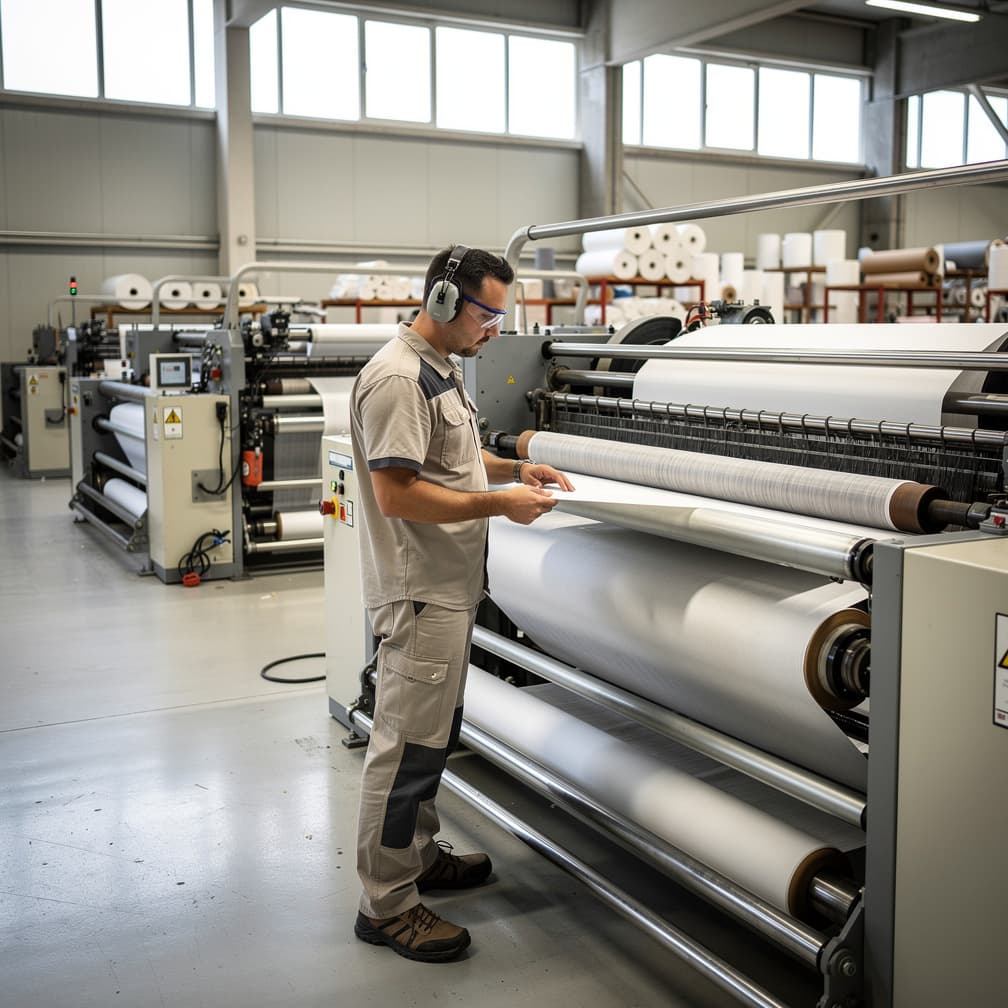

As a Garland textile manufacturer, you are one of the parties a buyer, a property manager, or a general contractor checks before releasing anything. Certificates get demanded early, and a single lapse can freeze a shipment that has nothing to do with insurance. A crowded market multiplies the counterparties holding your paper, so renewals turn into logistics. Textile manufacturer insurance in Garland in that setting has to be easy to prove, not merely adequate on paper. Additional-insured requests, waivers of subrogation, and limit floors all arrive in writing from people who will not negotiate them. Meanwhile the real exposures stay physical: heat, lint, stock, and the people walking past a running machine. Match the contract wording to the policy, then compare what participating carriers will actually issue.
What Makes Garland Different
The claim with the most names on it is the one that tests thin limits hardest. A visitor hurt near a running loom can name your plant, your landlord, and your staffing firm together. Dallas County holds about 70,500 business establishments, so the parties who can touch one incident stack up quickly. Each added defendant brings its own lawyer, and defense spending starts well before anyone assigns fault. Shared docks and shared service crews create shared blame when something goes wrong on a busy floor. That argues for higher limits, not for a shelf of separate policies bought piecemeal. A plant carrying thin limits in Garland reads as the easiest defendant sitting in the room. Read the limits closely, because an incident report always has fewer names than the lawsuit will.
Local Risk Factors in Garland
Tornadoes and severe thunderstorms combine wind, hail, and flying debris into damage that can hit a plant in minutes. A blown-out dock door or a punctured roof exposes fabric and machinery to wind-driven rain within the same event. Commercial Property generally treats wind, hail, and debris impact as covered perils, so the building, the looms, and the finished stock usually fall under that form. The water that follows through a breached roof is a gray area, and flooding from the same storm system stays outside the policy. Move rolls off the floor and away from bay doors when a warning posts near Garland. Keep serial numbers and photos of the machines so a plant in Dallas County can prove what a storm destroyed.
What Coverage Does a Textile Manufacturer in Garland Need?
General Liability
Landlords, buyers, and event venues usually ask for it before they let you operate or ship. General Liability can help cover third-party bodily injury and property damage, such as a delivery driver hurt on your floor or a visitor's damaged goods. It typically excludes damage to your own stock and machinery, which belongs with property coverage instead.
Example: A vendor slips on a wet spot near the dye line and later files a claim for a hurt back. General Liability may respond to the medical bills and your legal defense, up to the policy limit.
Commercial Property
Your building, your looms and finishing equipment, and the raw and finished stock on the floor are the core of what this line addresses. Commercial Property might help cover fire, theft, and sudden water damage to those assets. Flood and slow wear are typically excluded, and a business income limit is what carries the weeks a loss keeps the line down.
Example: A finishing-room fire spreads to a rack of finished rolls one night at a plant in Garland, and smoke reaches stock the flames never touched. Commercial Property can respond to the damaged goods and the building, subject to your deductible.
Workers Compensation
A loom operator catches a hand in a moving part, or a dye-house worker strains a back lifting a roll: those on-the-job injuries are what this line is meant for. Workers' Compensation may help cover medical treatment and lost wages, and it is rated on payroll and job class. It generally does not respond to a customer or vendor injury, which falls to general liability.
Example: During a night run at a Garland mill, a sewing operator's hand is caught in a machine, and she needs surgery and weeks off. Workers' Compensation can help with the medical bills and a portion of her lost wages.
Tools & Equipment (Inland Marine)
What a standard building policy leaves behind the moment gear leaves the building is exactly what this line picks up. Inland Marine could help cover portable tools, testing gear, and mobile equipment while off site or in transit. It usually does not reach the fixed production line, which stays with your property policy, and it works best when each item is scheduled at replacement cost.
Example: A portable fabric inspection unit is knocked off a cart and cracked while being moved to a trade show. Inland Marine may respond to the repair or replacement, wherever the damage happened.
Commercial Umbrella
Where an underlying liability limit stops, this layer continues. Commercial Umbrella can help cover a judgment or settlement that runs past your General Liability limit, which matters when a buyer's contract demands a high figure. It sits on top of existing policies rather than replacing them, and it does nothing until the underlying limit is exhausted.
Example: A product-defect suit over a bad dye lot settles for more than the General Liability limit can absorb. A Commercial Umbrella may pick up the excess, so one large claim does not reach the plant's own accounts.
How Much Does Textile Manufacturer Insurance Cost in Garland?
Textile Manufacturer Insurance is a bundle of separate policies, priced separately. The ranges below are typical figures for Garland for each line, except workers compensation, which is rated per $100 of payroll; a quote prices each one against your own operations.
| Coverage | Typical range | What moves your price |
|---|---|---|
| General Liability Insurance | $110 - $420 per month | Industry and risk classification, annual revenue, number of employees |
| Commercial Property Insurance | $250 - $925 per month | Building value and construction type, roof age and condition, fire protection class |
| Workers Compensation Insurance | $0.75 - $2.74 per $100 of payroll | Employee classification codes, total annual payroll, experience modification rate |
| Inland Marine Insurance | $40 - $180 per month | Total insured value of the scheduled property, type and age of the equipment, where it is stored and how far it travels |
| Commercial Umbrella Insurance | $95 - $300 per month | Umbrella limit requested, limits carried on the underlying policies, loss history on those underlying policies |
Prices shown are general estimates, not guaranteed rates or quotes. Your actual premium will depend on the insurer, coverage selected, business details, location, claims history, and other underwriting factors.
What Are the Insurance Requirements for a Textile Manufacturer in Garland?
Workers' comp is not mandatory for most private employers here. Texas leaves workers' compensation optional for most private employers. Skipping it leaves injury costs on you, and many clients and landlords still demand proof of it by contract — check the Texas Department of Insurance's guidance before deciding.
Flood damage is typically excluded from standard policies. Standard commercial property and builders-risk-type policies typically exclude flood damage. Flood exposure varies address by address, so check your premises in FEMA's Flood Map Service Center before deciding; if you sit in a mapped flood zone, a separate policy through the National Flood Insurance Program is the usual starting point.
Where to verify licensing and coverage rules. The Texas Department of Insurance publishes consumer guidance and current insurance requirements for Texas businesses. When a contract or lease demands specific wording, the Texas Department of Insurance's guidance is the authoritative place to check.
Get Your Textile Manufacturer Quote in Garland
Compare rates from multiple carriers. Free quotes, no obligation.
Operating in Garland
- A certificate proves coverage exists, but only the additional-insured endorsement gives a buyer the rights the contract promised, and discovering the gap during a claim is far too late to fix it.
- A fabric defect often surfaces after the goods are sewn and sold, so a third-party claim can arrive months later with legal defense costs that outrun the value of the disputed lot.
- Where Dallas County supports only a handful of mills, the adjuster and the repair techs may be hours away, so recovery after a machine failure stretches longer than the visible damage suggests.
- Workers' compensation premiums are trued up at audit, so a payroll figure that drifted during the year, or a job code that no longer matches the work, gets corrected later with interest.
How to Buy: Advice for Garland Owners
Read the exclusions page before the price page, because that is where a policy quietly says no. Flood and surface water usually sit outside a Commercial Property form and are priced as a separate policy. Wear, gradual leaks, and mechanical breakdown are common exclusions that surprise owners after a loss. Ask which of your real exposures fall into those gaps, then decide whether to buy the wording back. Inland Marine can fill some equipment gaps, but only for property that is actually scheduled on it. A plant in Garland that reads the exclusions first asks participating carriers in Texas sharper questions. Compare the quotes on what they exclude, not only on what they charge.
FAQ
Textile Manufacturer Insurance in Garland: FAQ
Often, yes. A standard property form may exclude mechanical or electrical failure of the machine itself even while it answers for the building around it. Equipment breakdown is usually added by endorsement, and the stopped weeks after a loom failure are frequently the larger cost. Check the Texas Department of Insurance's guidance before deciding, and ask any quote whether breakdown and the resulting downtime are both included.
Yes, and that is a core reason to carry general liability. A vendor, an inspector, or a delivery driver who slips near a running machine can bring a third-party injury claim. General Liability might respond to their medical costs and to your legal defense, subject to the policy terms. Keep aisles clear and document your housekeeping, because a plant in Garland with tidy records defends these claims far more easily.
Often, yes. Many buyers and retailers ask for a certificate of insurance, and some run automated checks that reject an expired one before a human even sees it. General Liability limits are what most compliance desks read first, and larger buyers may set a higher floor you reach with an umbrella. Ask which entity they want named, then keep the certificate current so a purchase order never stalls.
Three things do most of the work: payroll, the replacement value of your machines and stock, and your claims history. Payroll sets the Workers' Compensation rate, machine and inventory values set the property line, and a clean loss run keeps both in check. Square footage and the sign out front barely move the number. Give accurate figures and the quote describes your plant honestly.
Usually because they were handed different facts, or read the same facts against a different appetite. One carrier may treat a dye house as routine while another prices it cautiously. Participating carriers in Texas can weigh identical payroll, values, and loss history and still land far apart. That spread is the whole reason to submit one clean packet to several and compare the coverage forms rather than the monthly figure alone.
It depends on the state and sometimes on headcount, and the threshold is not something to guess at. Rules vary, and getting it wrong gets expensive at audit. The Texas Department of Insurance publishes the current requirements for workers' coverage, which is the place to confirm before you decide. Whatever the mandate, the exposure is real: machines injure people, and one serious claim outweighs years of premium.
Sources
- 1.U.S. Census Bureau, County Business Patterns (2022), Dallas County(Dallas County has about 70,500 business establishments.)
- 2.Texas Department of Insurance(Texas Department of Insurance publishes consumer guidance for insurance buyers.)
- 3.FEMA / FloodSmart(Flood coverage is typically purchased separately; FEMA administers the National Flood Insurance Program.)


