







































Updated July 16, 2026

Garage Keepers Insurance in Houston
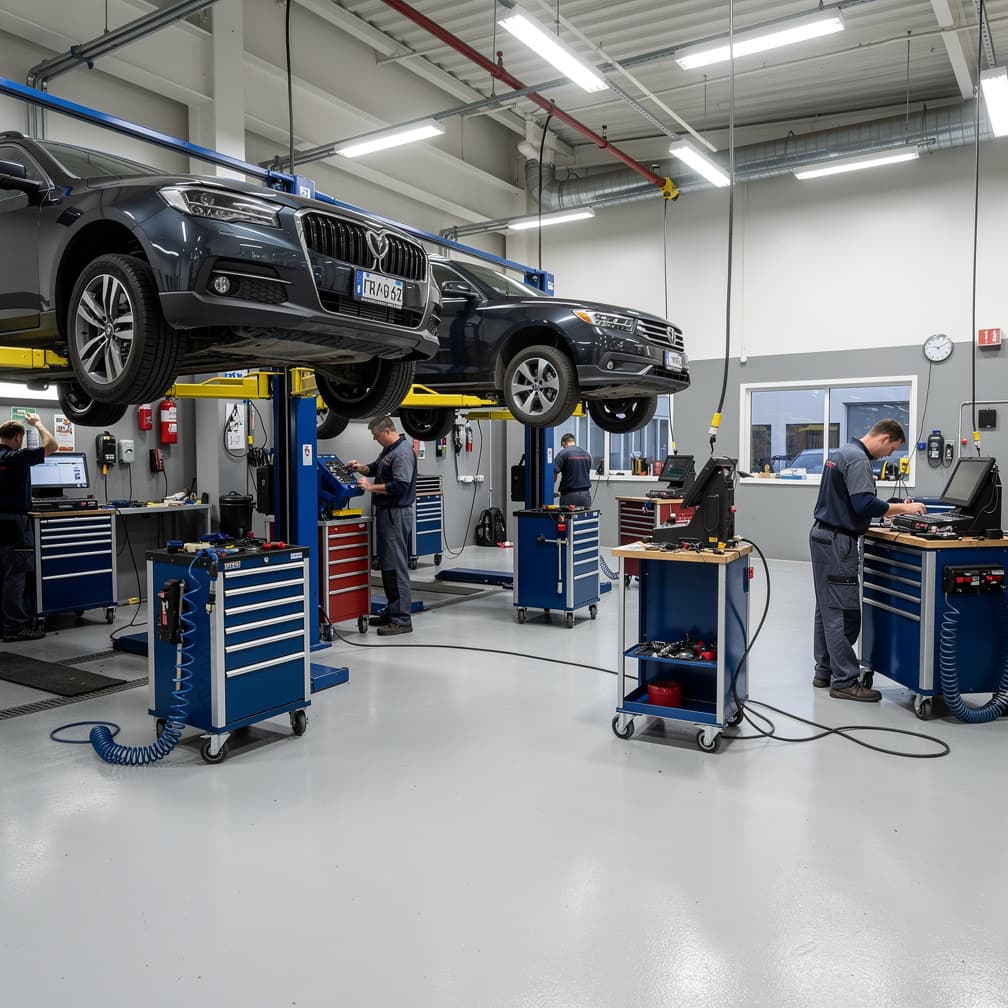
Garage operations in Houston handle more than walk-in repair work. Professional, scientific, and technical services account for 14% of establishments in Harris County, with retail trade at 12.4% and health care and social assistance at 11.6%. That mix matters because your customers are not just dropping off cars for oil changes. They are field technicians on deadlines, retail managers with delivery schedules, and clinic staff who need vehicles back before shift changes. The pressure point is often turnover and custody volume across a busy week, not just the square footage of your lot. You are likely working beside offices, clinics, storefronts, and vendors that expect vehicles back on schedule and want clear documentation if damage is found after storage, service, or movement. If you run a body shop, service garage, dealer service lane, or valet-facing operation, review where keys are controlled, where vehicles sit overnight, who moves them, and how condition is documented at intake and release before you request quotes.
Garage Keepers Insurance Risk Factors in Houston
Houston's top risk factors include Flooding, Hurricane damage, Coastal storm surge, and Wind damage.
Texas has a very high climate risk rating. Top hazards: Hurricane (Very High), Tornado (Very High), Hailstorm (Very High), Flooding (Very High). The state's expected annual loss from natural hazards is $12.4B, which influences garage keepers insurance premiums and may affect coverage availability in high-risk areas.
What Garage Keepers Insurance Covers
Buyers usually get the most value from this coverage review when they stop thinking in broad categories and start thinking in vehicle flow. A shop near the Gulf Coast may worry about where customer cars sit before a storm arrives. A North Texas operation may focus more on hail exposure for vehicles waiting on parts. A metro valet or parking operation may care most about dense parking patterns, key handling, and how quickly a minor incident may involve several customer vehicles at once.
For any operation, the practical question is not whether you take custody of vehicles. It is how that custody changes during the day. You may receive vehicles after hours, move them between fenced areas, leave some indoors for diagnostics, and stage others outside until parts arrive. Each handoff creates a documentation issue and a claims issue. If your intake photos are inconsistent, if keys are not logged, or if employees move vehicles without a written process, a straightforward claim may become harder to sort out.
This is also where state oversight matters. Policy forms, complaint handling, and carrier practices should be reviewed with state rules in mind before you bind coverage. That does not replace reading the policy, but it does mean you should ask for state-specific forms and endorsements, confirm how deductibles apply, and check whether your storage setup, catastrophe plan, and employee vehicle handling procedures match what the underwriter is being told. As you compare options, ask your agent to walk through your peak vehicle counts, key security, storm relocation procedures, and any gap between your garage keepers terms and the way your shop actually parks, stores, or moves customer vehicles.
Coverage Included
Collision Coverage
Covers damage to customers' vehicles from collisions while in your care.

Comprehensive Coverage
Covers theft, vandalism, fire, and weather damage to customers' vehicles.

Specified Perils
Covers only specifically named perils at a lower premium.

Legal Liability
Covers damage you or your employees directly cause to a customer's vehicle.

Direct Primary
Pays regardless of fault, the broadest garage keepers coverage available.
What Makes Houston Different
With nearly 110,000 business establishments across Harris County, many garage operations are not serving isolated neighborhoods or a narrow customer base. They are handling vehicles that move through crowded commercial areas, shared parking arrangements, and fast handoffs between service advisors, porters, technicians, and customers. What matters for your policy is how many cars you hold at once and who is responsible for each one at any given moment. A modest lot can still carry meaningful exposure if intake stacks up in the morning, completed units wait for pickup in the afternoon, and overflow parking shifts between spaces. Ask for a quote built around peak vehicle count, overnight storage patterns, key security, and whether customer cars are ever parked off the main premises.
Our Recommendation for Houston
Walk through a typical day from the moment a customer hands over the keys to the moment the car leaves your lot. Track where it is received, photographed, parked, test-driven, staged for pickup, and stored after hours. If your operation serves nearby offices, clinics, or retail traffic, note whether customers expect same-day turnaround or leave vehicles during the workday. The pace of your daily flow shapes your custody risk at every step. Keep a written intake process that records pre-existing damage, accessories left in the vehicle, and where the unit is parked. If you use overflow spaces, valet-style stacking, or shared lots, raise that before binding coverage rather than after a claim. You should also ask how the policy responds to employee movement of customer vehicles, not just damage while a car is stationary. To get the most accurate quotes, gather your peak number of customer vehicles on site, your overnight count, and your key-control procedure before you start shopping.
Get Garage Keepers Insurance in Houston
Enter your ZIP code to compare garage keepers insurance rates from carriers in Houston, TX.
Business insurance starting at $25/mo
FAQ
Frequently Asked Questions
Underwriters want a clear picture of how vehicles move through your shop on a busy day. In Harris County, crowded commercial settings mean they care more about how many cars you hold and how often they move than about a basic description of your facility.
Operations here often serve office, retail, and health care traffic with tighter timing expectations. When customers need vehicles back on a strict schedule, delayed returns and frequent movement can become a bigger source of disputes.
Disclose overflow parking early. If customer vehicles are staged in secondary spaces, shared lots, or different pickup areas, an underwriter needs to know how custody and documentation work across all of those locations.
Claims are easier to sort out when intake and release records are consistent. Photo logs, key sign-out procedures, and written condition notes help show when damage was pre-existing, when the vehicle entered your care, and who last moved it.
If customer vehicles stay in your custody, especially overnight or outside, you should review this coverage before you bind. Ask for state-appropriate forms and a clear explanation of deductibles and endorsements.
Weather may change how you think about outdoor storage, peak lot values, and deductibles. If customer vehicles sit outside during storm seasons, your quote should reflect where they are parked, how quickly they can be moved, and what documentation you keep.
Valet operations often need closer review of dense parking patterns, key control, and frequent vehicle movement. In busy urban settings, a small incident may involve several customer vehicles, so your procedures and lot management should be part of the quote discussion.
Describe your storage conditions, after-hours drop-offs, road tests, tow-ins, peak vehicle counts, and storm procedures. A quote is more useful when it matches how your lot actually operates on busy days, not just your average workflow.
Sources
- 1.U.S. Census Bureau, County Business Patterns, Harris County(Professional, scientific, and technical services account for 14% of establishments in Harris County, with retail trade at 12.4% and health care and social assistance at 11.6%.; Harris County has 109,874 business establishments.)
Updated July 16, 2026





