Updated July 5, 2026

Commercial Auto Insurance in Katy
Property managers, general contractors, lenders, and event venues around Katy often want current proof of auto liability before they hand over gate access, approve a vendor packet, or let your crew park and unload on site. For you, satisfying that request locally usually means more than showing an ID card. It means matching listed vehicles, drivers, business name, and liability limits to the way your company actually moves between subdivisions, retail centers, clinics, and office parks. If you are shopping for commercial auto insurance in Katy, that paperwork discipline matters because a mismatch can slow down a job start or a contract draw. Harris County has 109,874 business establishments, so vendor screening is routine and certificate requests are part of normal operations for many service businesses that drive to customers. Before you ask for quotes, line up your vehicle schedule, driver list, garaging address, and any hired or non-owned auto exposure. Then review whether your policy needs to support employee errands, tool hauling, deliveries, or client visits, because those day-to-day uses are usually what determine whether your proof of coverage actually works when someone asks for it.
Commercial Auto Insurance Risk Factors in Katy
Katy's top risk factors include Flooding, Hurricane damage, Coastal storm surge, and Wind damage. Flooding can cause significant vehicle damage, make sure comprehensive coverage is included.
Texas has a very high climate risk rating. Top hazards: Hurricane (Very High), Tornado (Very High), Hailstorm (Very High), Flooding (Very High). The state's expected annual loss from natural hazards is $12.4B, which influences commercial auto insurance premiums and may affect coverage availability in high-risk areas.
What Commercial Auto Insurance Covers
In Texas, commercial auto insurance is built around business-use vehicles such as cars, vans, trucks, and specialty vehicles, and the policy usually centers on liability, collision, comprehensive, medical payments, and uninsured motorist protection. The state minimum liability level applies to commercial vehicles, but that minimum is only the starting point for businesses that face heavier traffic, higher claim severity, or vehicles that regularly operate in Austin, Dallas, Houston, San Antonio, or along coastal routes. Liability is the core protection for bodily injury and property damage you may cause to others in a vehicle accident, while collision addresses damage to your own vehicle after a crash and comprehensive responds to theft or weather-related damage. Texas weather matters here because severe storm and flooding risk is rated very high, so comprehensive can be especially relevant for vehicles parked outdoors or traveling through storm-prone corridors.
Hired auto and non-owned auto coverage are important endorsements if your business rents vehicles or has employees using personal vehicles for company errands, client visits, or deliveries. Personal auto policies often do not fully address business use, so Texas buyers should confirm whether the policy is a true business auto solution or whether endorsements are needed to close gaps. Uninsured motorist protection also deserves attention because many Texas drivers may be uninsured, which can affect recovery after a vehicle accident involving another driver without enough coverage.
Coverage Included

Bodily Injury Liability
Covers injuries you cause to others in an accident

Property Damage Liability
Covers damage you cause to others' property
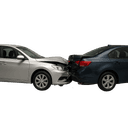
Collision Coverage
Pays for damage to your vehicle in an accident

Comprehensive Coverage
Covers theft, vandalism, weather, and animal damage

Medical Payments
Covers medical costs for your drivers and passengers

Uninsured Motorist
Protection when the other driver lacks insurance
Hired & Non-Owned Auto
Covers rented or employee-owned vehicles used for work
Commercial Auto Insurance Cost in Katy
Average Cost in Texas
$150 - $470
per month
Businesses in Texas typically see commercial auto insurance premiums of $150 - $470 per month, which tends to run 13% above the national range of $140 - $410 per month.
- Fleet size and vehicle types
- Driver records and experience
- Coverage limits and deductibles
- Business industry and use
- Annual mileage and operating radius
- Claims history
Rates based on small business averages. Your actual premium may vary.
Prices shown are general estimates, not guaranteed rates or quotes. Your actual premium will depend on the insurer, coverage selected, business details, location, claims history, and other underwriting factors. Learn about our pricing methodology.
Texas pricing for commercial auto insurance reflects both statewide risk and the way your vehicles are used. Texas also shows a premium index of 112, which means rates run above the national average, so your business may pay more here than in other states. That competition can help buyers compare options, but the final cost still depends on fleet size and vehicle types, driver records and experience, coverage limits and deductibles, business industry and use, annual mileage and operating radius, and claims history.
Weather exposure is a major local factor because severe storm and flooding risk is very high, and those conditions can influence comprehensive and collision pricing. Vehicle accident data also matters: Texas recorded 542,000 crashes in 2023, which means a busy road environment where insurers expect more frequent claims. The state also saw 4,283 fatalities and a fatal crash rate of 1.55 versus the national average of 1.33, which means a serious accident is more likely here, and that severity is what insurers price into liability premiums. The top causes included drowsy driving, distracted driving, impaired driving, speeding, and lane departure. Businesses that run more miles across the state, operate in dense metro traffic, or use trucks for frequent hauling may see different pricing than a local office-based operation. If you want a quote, expect the insurer to ask about your radius of operation, garaging locations, driver lists, and whether you need hired auto, non-owned auto, or fleet coverage.
Industries & Insurance Needs in Katy
County business mix changes how commercial auto exposure shows up around Katy. In Harris County, the largest establishment shares are professional, scientific, and technical services at 14%, retail trade at 12.4%, and health care and social assistance at 11.6%, so a lot of local vehicle use is not heavy trucking. It is sales calls, mobile service, supply runs, patient-related travel, store transfers, and employee driving between appointments. That matters when you request quotes because many businesses here need a policy built around frequent short trips, multiple drivers, and hired or non-owned auto exposure rather than only a single branded work truck. If your company sends staff to client sites, uses personal vehicles for errands, or rotates drivers across a few units, say that clearly up front. A cleaner description of real use usually helps you compare limits, physical damage deductibles, and driver eligibility without buying a fleet structure that does not fit how your vehicles are actually used.
What Makes Katy Different
Vendor compliance is the main thing that changes the buying calculus here. In a market tied closely to Houston-area property management, contracting, retail, and professional services, your commercial auto policy often has to function as an access document as much as a back-end risk transfer tool. That shifts the conversation from simply meeting minimum requirements to making sure your proof of coverage can survive scrutiny from a landlord, project manager, lender, or procurement team. Katy's median household income is $107,332, so many businesses serve customers and properties where expectations around documentation, vehicle presentation, and claim handling are higher. The practical takeaway is simple: review named insured wording, vehicle ownership, lienholder information, and driver assignments before renewal, not after a certificate request comes in. If your business adds a pickup, replaces a van, or lets an employee use a personal vehicle for work, update the policy promptly. Here, administrative accuracy can be just as important as the premium.
Our Recommendation for Katy
Start your review with operations, not price. List every vehicle, who drives it, where it is usually parked, and whether it carries tools, inventory, samples, or employees. Then separate owned autos from hired and non-owned exposure, because many local businesses rely on employee cars for bank runs, site visits, or last-minute pickups without realizing that gap until a contract asks for proof. If a lender is involved, confirm lienholder details and physical damage terms before binding. If you work for property managers or general contractors, ask whether they expect specific liability limits or additional insured treatment on related policies so your insurance package lines up across the account. You should also review how quickly newly acquired vehicles can be reported and whether driver changes need carrier approval. A useful quote comparison here is not just monthly cost. It is whether the policy can be issued cleanly, updated quickly, and documented correctly when a job, lease, or vendor portal depends on it.
Get Commercial Auto Insurance in Katy
Enter your ZIP code to compare commercial auto insurance rates from carriers in Katy, TX.
Business insurance starting at $25/mo
FAQ
Frequently Asked Questions
Katy buyers usually run into proof requests from property managers, contractors, lenders, and venue operators before work starts. Harris County has 109,874 business establishments, so vendor screening is common and your policy documents need to match your actual vehicles and drivers.
Katy businesses should gather the vehicle schedule, VINs, driver list, garaging address, lienholder information, and a clear description of work use first. That makes it easier to compare quotes that fit deliveries, service calls, client visits, or employee errands.
Katy service businesses often have employees using personal cars for deposits, pickups, or client visits. That can point to hired and non-owned auto exposure, so you should ask for that review instead of assuming a policy on company-owned vehicles handles every work trip.
Harris County business mix matters because professional services are 14% of establishments, retail trade 12.4%, and health care and social assistance 11.6%. That points many Katy buyers toward frequent local driving, multiple drivers, and appointment-based vehicle use rather than long-haul exposure.
Katy companies with financed vehicles should check that the business name, vehicle title, lienholder details, and physical damage selections all line up before binding. A paperwork mismatch can delay lender approval or slow down the proof of coverage you need for a contract.
In Texas, the policy may help cover liability for bodily injury and property damage, collision for crash damage to your vehicle, comprehensive for theft or weather-related losses, medical payments, and uninsured or underinsured motorist protection. If you add the right endorsement, it may also help with hired and non-owned vehicles used for business.
The typical range for the state is about $150 to $470 per month per vehicle, while small-business annual costs commonly fall around $1,200 to $2,400 per vehicle. Your actual price varies by vehicle type, driver records, mileage, operating radius, claims history, and coverage choices.
Any business using vehicles for work should review this coverage, including companies with a single company car, service vans, pickup trucks, delivery vehicles, or a larger fleet. Texas businesses that send employees to client sites, job sites, or delivery stops often need a policy or endorsements that match that use.
Sources
- 1.U.S. Census Bureau, County Business Patterns, Harris County(Harris County has 109,874 business establishments, so vendor screening is routine and certificate requests are part of normal operations for many service businesses that drive to customers.; In Harris County, the largest establishment shares are professional, scientific, and technical services at 14%, retail trade at 12.4%, and health care and social assistance at 11.6%, so a lot of local vehicle use is not heavy trucking.)
- 2.U.S. Census Bureau, ACS 5-Year Estimates, table B19013(Katy's median household income is $107,332, so many businesses serve customers and properties where expectations around documentation, vehicle presentation, and claim handling are higher.)
Updated July 5, 2026