







































Updated July 5, 2026

Inland Marine Insurance in San Antonio
The decision often lands here when you sign a downtown lease, line up a hospital or retail tenant improvement, or start moving tools, diagnostic devices, display fixtures, or client property between a shop, a van, and a temporary work area. Inland marine insurance in San Antonio matters most at that handoff point, because your property stops sitting at one scheduled address and starts traveling through daily operations. That is a different review than standard property coverage.
Local buyers usually need the schedule to match how work actually moves across the metro: equipment left overnight at a customer location, materials staged before installation, or specialty items carried by employees between offices and job sites. In Bexar County, there are 39,091 business establishments, so landlords, project owners, and commercial clients often expect cleaner documentation around what property you carry, where it goes, and how losses would be handled if something is damaged or disappears off premises. Before you request terms, list the property that travels, note the highest single item value, and separate owned equipment from customer property in your care.
Inland Marine Insurance Risk Factors in San Antonio
San Antonio's top risk factors include Flooding, Hurricane damage, Coastal storm surge, and Wind damage.
Texas has a very high climate risk rating. Top hazards: Hurricane (Very High), Tornado (Very High), Hailstorm (Very High), Flooding (Very High). The state's expected annual loss from natural hazards is $12.4B, which influences inland marine insurance premiums and may affect coverage availability in high-risk areas.
What Inland Marine Insurance Covers
In Texas, inland marine insurance is designed for business property that does not stay at one fixed location, including tools, equipment, building materials, and goods being transported over land. It is especially useful when property is on a job site in Travis County, in temporary storage near a project in Harris County, or moving between locations on Texas highways. The policy can address tools and equipment needs, goods in transit, contractors equipment, installation floater coverage, and builders risk, depending on how the policy is written. Texas does not have a statewide mandate for inland marine coverage, but the Texas Department of Insurance regulates the market, and coverage requirements may vary by industry and business size. That means the insuring agreement, scheduled property, deductible, and endorsements matter more than a one-size-fits-all package.
Property may be protected against theft, damage, vandalism, and other perils while it is away from the primary business location, but the exact exclusions vary by carrier and endorsement. For Texas buyers, that is important because the state's significant weather hazards can affect how carriers structure terms for mobile business property. If your equipment is stored temporarily after a storm or moved to a different county for a project, confirm whether the policy treats that location as covered temporary storage or a separate exposure.
Coverage Included
Tools & Equipment
Can help repair or replace hand tools, power tools, and gear that are stolen or damaged on the job or in transit.

Goods in Transit
May cover products, materials, and merchandise while they are being shipped or hauled between locations in your care.

Contractors Equipment
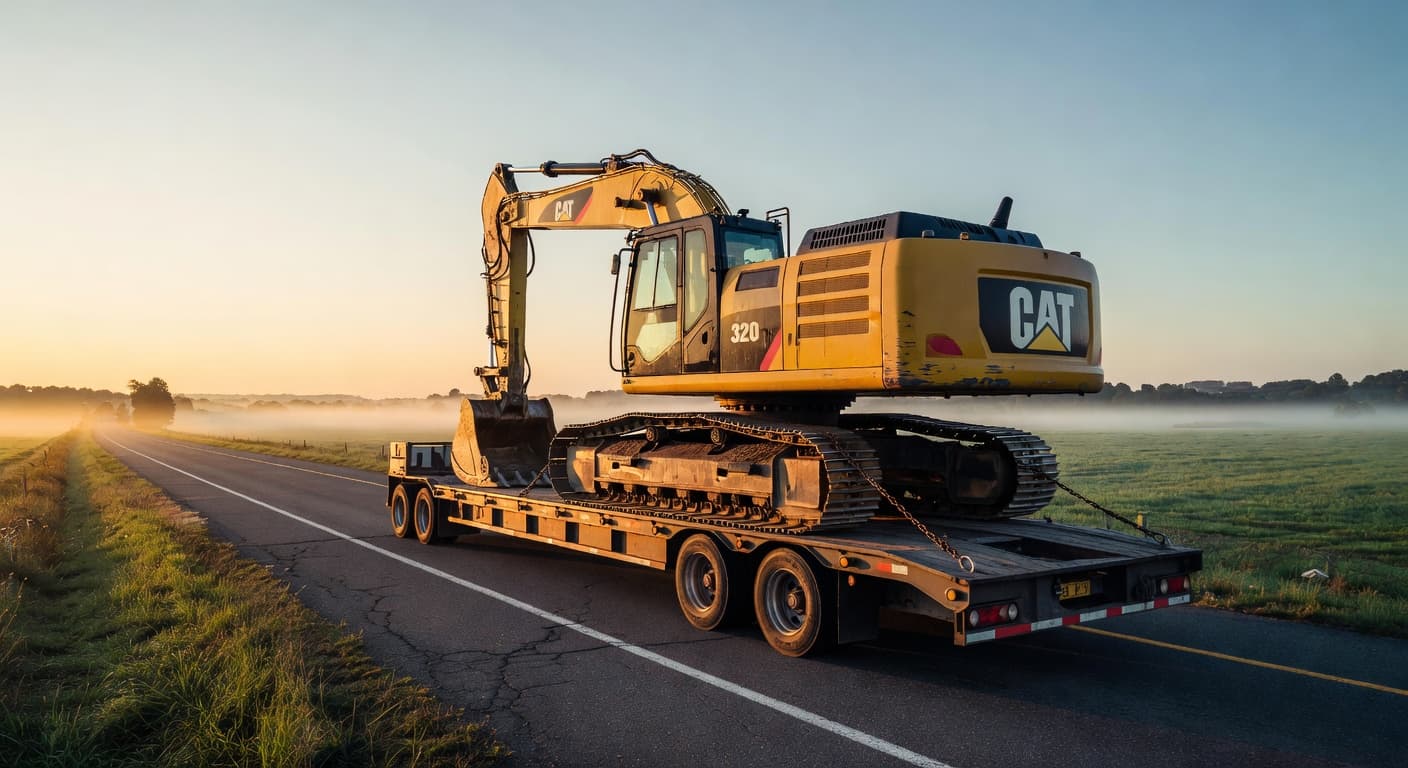
Typically covers heavy machinery like excavators, loaders, and generators against theft or damage at job sites and between them.

Installation Floater
Can help cover materials and fixtures from the moment you buy them until they are installed and accepted at a project.

Builders Risk
May cover a structure under construction, along with materials on site, against damage from fire, wind, theft, and vandalism.
Inland Marine Insurance Cost in San Antonio
Average Cost in Texas
$25 - $120
per month
Businesses in Texas typically see inland marine insurance premiums of $25 - $120 per month, which tends to run 21% above the national range of $20 - $100 per month.
- Total insured value of the scheduled property
- Type and age of the equipment
- Where it is stored and how far it travels
- Jobsite security and theft prevention
- Per-item limits and deductibles
- Prior theft and in-transit losses
Contact CPK Insurance for a personalized quote.
Prices shown are general estimates, not guaranteed rates or quotes. Your actual premium will depend on the insurer, coverage selected, business details, location, claims history, and other underwriting factors. Learn about our pricing methodology.
The average inland marine insurance cost in Texas is about $25 to $120 per month, with the national product range shown as $20 to $100 per month, so Texas pricing is close to the broader market but still shaped by local risk. The state's premium index is 112, meaning you may pay roughly 12 percent more than the national average for similar coverage. In practical terms, that means a business moving property frequently or operating in higher-risk areas may feel that difference at quote time. Carriers also weigh coverage limits and deductibles, claims history, location, industry or risk profile, and policy endorsements, so a contractor storing equipment near the Gulf Coast may see different pricing than a similar business operating inland. Texas weather risk is a major driver because the state's top hazards are all rated very high, and that can influence how carriers price property that is exposed on job sites or in transit.
Crime conditions can matter too, since property crime and burglary trends may affect how insurers evaluate theft exposure for tools left at temporary locations. Texas has hundreds of active insurance companies, which creates competition, but it does not remove the effect of risk selection, especially for businesses with expensive portable property. If you want a more precise quote, the carrier will usually ask about item values, storage practices, travel patterns, and whether the property is scheduled or covered under a blanket limit.
Industries & Insurance Needs in San Antonio
Bexar County's business mix changes what should be scheduled and how narrowly or broadly you describe it. Health care and social assistance accounts for 13.8% of county establishments, retail trade 12.9%, and professional, scientific, and technical services 11.6%, so local demand often comes from businesses moving higher-value portable property rather than only basic contractor tools. That can mean medical devices between locations, display inventory headed to an event or pop-up space, or laptops, testing gear, and specialized instruments carried by staff.
The practical consequence is classification. If your application just says equipment or tools, the policy may not reflect the property that actually travels. A better submission breaks mobile property into plain-language groups, such as installation materials, electronic equipment, leased equipment, or customer property, then ties each group to where it is usually kept and moved. That gives you a cleaner quote review and helps you catch sublimits before a loss exposes them.
What Makes San Antonio Different
Portable property mix is what changes the calculus here. In some markets, inland marine is mostly a contractor tool conversation. Around San Antonio, the need often extends further into medical, retail, and professional-service operations that move equipment, stock, and client property between offices, vehicles, temporary sites, and customer locations.
That matters because the exposure is not just transit. It is transit plus short-term staging, off-premises use, and property that may belong to someone else but is still in your custody. If your business installs, demonstrates, repairs, calibrates, or temporarily stores items away from your main address, the review should focus on where property pauses during the workday, who has possession, and whether values spike on certain jobs. The strongest buying decision usually comes from mapping those movements first, then asking whether each category belongs on a scheduled basis, a broader unscheduled basis, or under a separate form entirely.
Our Recommendation for San Antonio
Start with a movement map, not a generic application. List what leaves your main location each week, where it is transported, whether it is ever left in a vehicle or temporary workspace, and whether any item belongs to a customer, landlord, or project owner. That usually reveals the coverage gaps faster than reading forms in the abstract.
Next, review valuation and documentation. If you carry specialized electronics, instruments, or display property, keep current invoices, serial numbers, and photos together so the schedule reflects real replacement values. If you work under contracts, compare the insurance wording against any requirement to insure customer property, leased equipment, or installation materials before they are accepted into the job.
Finally, ask for quote options that separate your biggest exposures instead of forcing everything into one bucket. A cleaner structure can make it easier to see deductibles, sublimits, and exclusions before you bind coverage, and it gives you a better basis for a free, no-obligation quote review.
Get Inland Marine Insurance in San Antonio
Enter your ZIP code to compare inland marine insurance rates from carriers in San Antonio, TX.
Business insurance starting at $25/mo
FAQ
Frequently Asked Questions
San Antonio businesses often do if property regularly leaves the main address. Inland marine is worth reviewing when tools, electronics, instruments, or customer items travel in vehicles, sit at temporary locations, or are used off premises during the workday.
Bexar County has 39,091 business establishments, with strong health care, retail, and professional-service activity, so many buyers move portable equipment, stock, or client property, not just contractor tools. That makes item classification and scheduling more important during the quote review.
San Antonio buyers should list any property that travels or is staged away from the main location, including display inventory, diagnostic devices, laptops, instruments, installation materials, and any customer property in your care, custody, or control.
San Antonio professional firms often use inland marine for portable business property that moves between offices, vehicles, and client locations. The key is describing the equipment specifically and matching values to current replacement cost before requesting terms.
San Antonio households may want to review it when business equipment travels off premises or exceeds what a home policy is designed to handle. Replacing specialized work gear out of pocket can disrupt cash flow quickly, especially if that equipment supports ongoing client work.
In Texas, it may help cover mobile business property such as tools, equipment, building materials, and goods being transported between locations, including items kept at job sites or temporary storage, subject to the policy terms.
It is designed to follow covered property away from your fixed premises, so items at a Texas job site or in temporary storage may be protected if the policy includes that location and the loss fits a covered peril.
Contractors, electricians, plumbers, landscapers, installers, and any Texas business that regularly moves valuable property between counties, customer locations, or storage sites may want to review this coverage.
Sources
- 1.U.S. Census Bureau, County Business Patterns, Bexar County(In Bexar County, there are 39,091 business establishments, so landlords, project owners, and commercial clients often expect cleaner documentation around what property you carry, where it goes, and how losses would be handled if something is damaged or disappears off premises.; Health care and social assistance accounts for 13.8% of county establishments, retail trade 12.9%, and professional, scientific, and technical services 11.6%, so local demand often comes from businesses moving higher-value portable property rather than only basic contractor tools.)
Updated July 5, 2026





