








































Updated July 16, 2026

Commercial Truck Insurance in Sealy
The decision usually lands when a local contractor adds another pickup with a trailer, a retailer starts making regular deliveries, or an owner-operator takes on lanes connecting small-town stops with the wider Houston market. Your policy should match how the truck is actually used here, whether that means short local runs, equipment hauling for job sites, store deliveries, or mixed-use vehicles that shift between personal and business tasks if they are not titled and scheduled correctly. Austin County has 701 business establishments, so a single truck here may carry a larger share of revenue than it would in a bigger fleet. Construction accounts for 14% of establishments, retail trade 12.6%, and other services 9.8%, which translates to more towing, more stops, and more overnight equipment exposure than a typical freight operation. Before you request quotes, line up your unit list, garaging address, radius, and what each truck hauls in a normal week.
Commercial Truck Insurance Risk Factors in Sealy
Sealy's top risk factors include Flooding, Hurricane damage, Coastal storm surge, and Wind damage.
Texas has a very high climate risk rating. Top hazards: Hurricane (Very High), Tornado (Very High), Hailstorm (Very High), Flooding (Very High). The state's expected annual loss from natural hazards is $12.4B, which influences commercial truck insurance premiums and may affect coverage availability in high-risk areas.
What Commercial Truck Insurance Covers
In Texas, commercial truck insurance is built around the way your trucks actually operate, not just the vehicle type. The core coverages in this product may include motor carrier liability, physical damage, cargo coverage, trailer interchange, bobtail coverage, and non-trucking liability. Each one responds differently depending on whether you are hauling freight under dispatch, moving an empty tractor, or using a trailer you do not own. Texas does not require private employers to carry workers' compensation, so trucking businesses often focus more heavily on getting the auto and liability structure right for the vehicles themselves.
Texas commercial auto minimums are the base split limits, but federal motor carrier rules can require much higher liability for freight operations, and many shippers or brokers may ask for more than the minimum. The state's insurance environment is also influenced by the Texas Department of Insurance, so policy forms, filings, and endorsements can vary by carrier. In practice, that means your coverage should be reviewed for route exposure, cargo type, and whether trailer interchange or non-trucking liability is actually needed for your operation. Physical damage may apply to a range of vehicles from tractors and trailers to box trucks, dump trucks, flatbeds, tankers, refrigerated units, and delivery vans, especially when hail, flooding, or hurricane-related damage is part of the risk picture. Cargo insurance is usually a separate section, and it may be especially relevant if you move high-value freight or time-sensitive loads through major freight corridors. Bobtail coverage and non-trucking liability are also important distinctions for owner-operators, because the protection depends on whether the truck is under dispatch or operating off-dispatch.
Coverage Included

Motor Carrier Liability
Can help cover injuries and property damage your truck causes to others, a coverage federal regulators require most for-hire carriers to maintain.

Physical Damage
Can help pay to repair or replace your own truck after an accident, fire, theft, or vandalism.
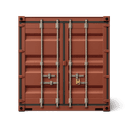
Cargo Coverage
May pay for damage to or theft of the freight you are hauling while it is in your care.
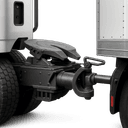
Trailer Interchange
Can help cover damage to trailers you haul under an interchange agreement but do not own.

Bobtail Coverage
May provide liability protection when you drive your tractor without a trailer attached, such as after dropping off a load.

Non-Trucking Liability
Can help cover accidents that happen when you use your truck for personal errands rather than dispatched work.
Commercial Truck Insurance Cost in Sealy
Average Cost in Texas
$525 - $1,500
per month
Businesses in Texas typically see commercial truck insurance premiums of $525 - $1,500 per month, which tends to run 33% above the national range of $400 - $1,125 per month.
- Radius of operation
- Commodities hauled and cargo value
- Number and value of power units
- Driver motor vehicle records and CDL experience
- DOT safety record, inspections, and FMCSA scores
- Liability limits and physical damage deductibles
Contact CPK Insurance for a personalized quote.
Prices shown are general estimates, not guaranteed rates or quotes. Your actual premium will depend on the insurer, coverage selected, business details, location, claims history, and other underwriting factors. Learn about our pricing methodology.
Commercial truck insurance cost in Texas varies by carrier, operation, and coverage design. Texas premiums are above the national average, which is consistent with the state's elevated weather exposure, accident severity, and large freight footprint. The state's overall risk profile is significant for hurricanes, tornadoes, hailstorms, and flooding, and those hazards can influence both physical damage coverage for trucks and the way carriers price comprehensive-style protection.
Several Texas-specific factors can move your quote up or down. Where you operate matters. Running near the Gulf Coast, in storm-prone corridors, or in higher-traffic metro areas can affect underwriting. Your claims history also plays a role, since Texas saw elevated average auto claim costs in 2023, which can translate directly into higher premiums for your operation. Your coverage limits and deductibles also matter, as do endorsements such as trailer interchange, cargo, bobtail, and non-trucking liability. The type of freight you haul and whether your operation is local, regional, or long haul can also change the quote because the exposure pattern is different. With hundreds of carriers competing for business, you may see real quote variation, though that does not guarantee the same terms from one carrier to another. Because many trucking accounts are priced as small-fleet or owner-operator risks rather than large national fleets, the most useful pricing comparison is usually based on the exact routes, units, and coverages you need rather than a generic per-truck estimate.
What Makes Sealy Different
What shifts the buying calculus is how often a truck here changes jobs within a single week. In a market tied to contractors, retailers, and service businesses, a truck may tow equipment one day, deliver materials the next, and sit at a residence or small yard overnight. You should expect an insurer to look closely at vehicle type, trailer use, garaging, driver lists, and whether the unit is really a commercial vehicle every day or only on certain jobs. Sealy median household income is $57,237, and in practical terms that means a two-week truck downtime can threaten payroll for a small operation. That makes deductible choice, physical damage valuation, and downtime planning more important than broad, abstract coverage talk. If a truck is essential to daily revenue, review how quickly you could repair or replace it and whether your current limits still fit the contracts and loads you are taking now.
Our Recommendation for Sealy
Start with the schedule, not the price. List every truck, trailer, VIN, garaging location, primary driver, and normal use. Then separate true business use from occasional personal use before you compare quotes. For many local operations, the biggest mistake is leaving a newer truck, attached trailer, or hired driver arrangement out of the submission and assuming it can be fixed later. Construction haulers should ask for a careful review of trailer interchange, attached equipment, and any gap between auto liability and inland marine or tool coverage. Delivery operators need to confirm their operating radius and stop frequency are described accurately, because short-haul local work is rated differently from broader regional travel. When you sign a contract, lease, or vendor agreement, request the insurance requirements early and compare them against your current limits before the truck goes out on the job. That gives you time to adjust the policy instead of scrambling after a certificate is rejected.
Get Commercial Truck Insurance in Sealy
Enter your ZIP code to compare commercial truck insurance rates from carriers in Sealy, TX.
Business insurance starting at $25/mo
FAQ
Frequently Asked Questions
Sealy businesses usually need it when a pickup, van, box truck, or trailer is part of paid work, deliveries, or hauling. Many policies here are built for small firms that rely on one or a few revenue-producing vehicles.
Contractors often need the truck and trailer scheduled with business use described clearly. Insurers tend to focus on towing, equipment hauling, driver assignment, and where the vehicle is parked between jobs.
Give the insurer your delivery radius, stop frequency, vehicle type, and cargo. A five-mile local milk run with twelve stops per day carries different physical damage and liability exposure than a fifty-mile regional route with one drop.
Because construction, retail, and service companies use trucks differently than freight haulers, the same vehicle may need towing coverage one week and cargo liability the next. Your policy should reflect that range, not a single-use assumption.
Gather the unit list, VINs, driver information, garaging address, operating radius, and a clear description of what each truck hauls. If a filing or compliance question comes up, the Texas Department of Insurance is the state regulator, but your quote still depends on accurate operating details.
In Texas, the policy can be built around motor carrier liability, physical damage, cargo coverage, trailer interchange, bobtail coverage, and non-trucking liability, depending on how your truck is used. The right mix depends on whether you haul freight under dispatch, move empty miles, or operate with trailers you do not own.
Texas commercial auto minimums are listed as $30,000/$60,000/$25,000, and the Texas Department of Insurance regulates the market. If you haul freight, federal motor carrier rules and shipper requirements may call for higher liability than the state minimum.
Cost per truck in Texas varies by limits, deductibles, claims history, route, freight type, and endorsements. Pricing can shift meaningfully based on how the truck is used and how the policy is built.
Sources
- 1.U.S. Census Bureau, County Business Patterns, Austin County(Austin County has 701 business establishments, so trucks here often support smaller firms that need clean certificates, clear vehicle schedules, and limits that fit contract requirements before work starts.; Construction accounts for 14% of establishments, retail trade 12.6%, and other services 9.8%, so many local fleets are not long-haul specialists at all, they are service and delivery vehicles that need coverage reviewed around tools, trailers, loading habits, and driver assignment.)
- 2.U.S. Census Bureau, ACS 5-Year Estimates, table B19013(Sealy median household income is $57,237, so many owners are balancing business growth with tight replacement-cost decisions on pickups, vans, and work trucks rather than building a large dedicated fleet.)
- 3.Texas Department of Insurance(If a filing or compliance question comes up, the Texas Department of Insurance is the state regulator, but your quote still depends on accurate operating details.)
Updated July 16, 2026





