







































Updated July 10, 2026

Convenience Store Insurance in Utah
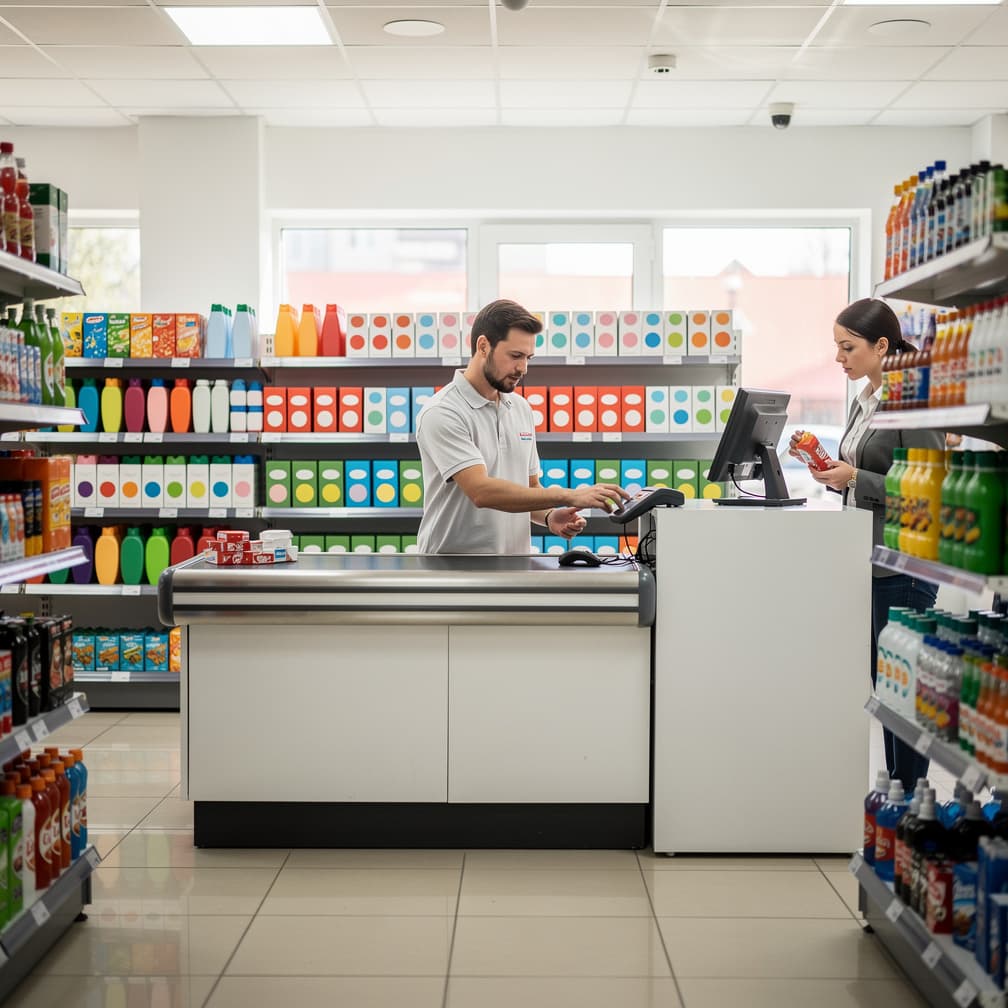
A convenience store in Utah can face a very different insurance picture than a quiet office or service shop. A convenience store insurance quote in Utah should reflect the realities of a high-traffic retail location where customers come in quickly, pay in cash, and expect the lights, coolers, and checkout area to stay open. In Salt Lake City, a downtown corner store may need different limits than a mini-mart in a shopping center or a strip mall near commuter traffic. Utah also brings location-specific pressure from wildfire, earthquake, and winter storm conditions, which can affect property, inventory, and business interruption planning. If your store sells food, handles frequent small transactions, or stays open long hours, the policy should be built around property coverage, liability coverage, and crime coverage that fit the site and the way it actually operates. The goal is not a generic retail form; it is a convenience store insurance policy shaped to the building, the lease, the cash drawer, and the risks that come with serving customers all day in Utah.
Climate Risk Profile
Natural Disaster Risk in Utah
Understanding climate-related risks helps determine appropriate insurance coverage levels.
Wildfire
High
Earthquake
High
Drought
Moderate
Winter Storm
Moderate
Expected Annual Loss from Natural Hazards
$320M
estimated economic loss per year across Utah
Source: FEMA National Risk Index
Risk Factors for Convenience Store Businesses in Utah
- Utah wildfire exposure can threaten convenience store property, inventory, and business interruption when smoke, evacuation, or nearby fire affects operations.
- Utah earthquake risk can lead to building damage, equipment damage, and temporary closure for a convenience store or mini-mart.
- Winter storm conditions in Utah can contribute to slip and fall claims at entrances, parking areas, and walkways around a corner store or strip mall location.
- Customer injury risk in Utah convenience stores is often tied to wet floors, crowded aisles, and high-traffic checkout areas.
- Theft, employee theft, forgery, fraud, and embezzlement are practical concerns for Utah stores that handle cash, lottery-style transactions, and frequent small purchases.
How Utah compares with the national baseline
Property crime per 100,000 residents
2,870 vs 2,200 baseline
Property crime in Utah runs above the national average, at 2,870 vs 2,200 incidents per 100,000 residents.
Blue bar: Utah. Gray line: national baseline.
How Much Does Convenience Store Insurance Cost in Utah?
Convenience Store Insurance is a bundle of separate policies, priced separately. The ranges below are typical figures for Utah for each line, except workers compensation, which is rated per $100 of payroll; a quote prices each one against your own operations.
| Coverage | Typical range | What moves your price |
|---|---|---|
| General Liability Insurance | $75 - $240 per month | Industry and risk classification, annual revenue, number of employees |
| Commercial Property Insurance | $120 - $430 per month | Building value and construction type, roof age and condition, fire protection class |
| Commercial Crime Insurance | $25 - $95 per month | Employees who handle money or inventory, internal controls and separation of duties, funds and securities on hand |
| Workers Compensation Insurance | $0.75 - $2.74 per $100 of payroll | Employee classification codes, total annual payroll, experience modification rate |
| Business Owners Policy Insurance | $120 - $370 per month | Annual revenue and industry class, building and contents values, square footage and building age |
Prices shown are general estimates, not guaranteed rates or quotes. Your actual premium will depend on the insurer, coverage selected, business details, location, claims history, and other underwriting factors. Learn about our pricing methodology.
What Utah Requires for Convenience Store Insurance
Non-compliance can result in fines, loss of contracts, and personal liability:
- Workers' compensation is required in Utah for businesses with 1+ employees, with exemptions for sole proprietors, partners, and LLC members.
- Utah businesses often need to maintain proof of general liability coverage for most commercial leases, so your quote should account for landlord documentation needs.
- Commercial auto liability minimums in Utah are $30,000/$65,000/$25,000 (raised effective 2025) if your convenience store uses a vehicle for deliveries or errands.
- Coverage should be reviewed with the Utah Insurance Department rules in mind, especially when selecting general liability, property coverage, and crime coverage limits.
- If you lease in a shopping center, downtown site, or high-traffic location, your insurance policy may need to align with lease-required liability coverage and additional insured wording.
- A quote should confirm whether bundled coverage through a business owners policy can satisfy the store's property and liability insurance needs, depending on the carrier.
| Requirement | What Utah law says |
|---|---|
| Auto liability minimums | $30,000/$65,000/$25,000 (bodily injury per person / per accident / property damage). These floors apply to personal and business vehicles alike; lenders and contracts often require more. |
| Workers compensation | Generally required once you have your first employee. Some roles are exempt, so confirm current thresholds before you hire. |
| Where to verify | Utah Insurance Department publishes current requirements, consumer guides, and license lookups. |
Get Your Convenience Store Insurance Quote in Utah
Compare rates from multiple carriers. Free quotes, no obligation.
Common Claims for Convenience Store Businesses in Utah
A customer slips on a wet floor near the entrance during a Utah winter storm, leading to a slip and fall claim and legal defense costs.
Smoke from a nearby wildfire interrupts operations and damages inventory, creating a business interruption and property coverage issue.
A register discrepancy or forged transaction is discovered after a busy weekend shift, triggering an employee theft or fraud claim under crime coverage.
Preparing for Your Convenience Store Insurance Quote in Utah
Your store address, whether it is downtown, in a shopping center, on a corner lot, or in a strip mall in Utah.
A list of what you sell and store, including food items, beverages, coolers, and other inventory that affects property coverage.
Information about cash handling, register controls, employee count, and any loss-prevention procedures relevant to crime coverage.
Lease details, requested proof of general liability coverage, and any property or coverage limits required by the landlord.
Coverage Considerations in Utah
- General liability insurance for bodily injury, property damage, customer injury, and legal defense tied to everyday store operations.
- Commercial property insurance for building damage, fire risk, storm damage, vandalism, equipment, and inventory protection.
- Commercial crime insurance for employee theft, forgery, fraud, embezzlement, social engineering, and funds transfer losses.
- Business owners policy insurance for bundled coverage that can combine convenience store property coverage and liability coverage in one policy structure.
What Happens Without Proper Coverage?
A convenience store can lose money from a claim even when the damage looks minor at first. A customer fall near the coffee station can lead to medical bills and a liability demand. A break-in can leave you with stolen cash, damaged doors, and interrupted trading hours before the police report is even finished. If a cooler fails overnight, the loss is not only the equipment problem. You may also be dealing with spoiled inventory, cleanup, and reduced sales the next morning.
This business also faces a mix of exposures that do not stay neatly separated. A single event can involve property damage, a customer allegation, and a crime issue at the same time. For example, a robbery may injure an employee, damage the front counter area, and force a temporary shutdown while repairs are made. That is why owners usually review general liability insurance, commercial property insurance, commercial crime insurance, and workers compensation insurance together instead of treating each one as a stand alone purchase.
Insurance can also matter before a loss happens. Landlords often want proof of coverage before you take possession of a retail space. Lenders may expect property protection tied to financed equipment or buildout costs. If you bring in staff for cashiering, stocking, or food prep, you need to review workers compensation requirements where your business operates. If you choose a business owners policy, confirm that the package still addresses the realities of your store rather than assuming every retail operation presents the same risk.
The reason to buy carefully is operational, not abstract. Convenience stores depend on daily sales volume, repeat customer traffic, and equipment uptime. A gap in coverage can leave you paying out of pocket for a claim that interrupts all three. Before binding a policy, walk through the store as if you were adjusting a loss: entrances, aisles, coolers, storage, cash controls, employee tasks, and any food service area. Then request a quote built around those details.
Recommended Coverage for Convenience Store Businesses
Based on the risks and requirements above, convenience store businesses need these coverage types in Utah:

General Liability
Essential coverage for every business, protect against third-party bodily injury, property damage, and advertising claims.

Commercial Property
Safeguard your business property, equipment, and inventory against damage and loss.

Commercial Crime
Protect your business from financial losses caused by employee theft, fraud, and other criminal acts.

Workers Compensation
Help cover your employees' medical expenses and lost wages for work-related injuries and illnesses.

Business Owners Policy
Bundle property and liability coverage into one convenient, cost-effective policy for small businesses.
Convenience Store Insurance by City in Utah
Insurance needs and pricing for convenience store businesses can vary across Utah. Find coverage information for your city:
Insurance Tips for Convenience Store Owners
Review your general liability insurance against actual customer movement patterns, including beverage stations, restrooms, parking areas, and any tight aisles that can turn a small spill into a larger injury claim.
Update commercial property values whenever you replace coolers, point of sale hardware, shelving, or security equipment, because outdated values can leave a busy store underinsured after a covered loss.
Ask how commercial crime insurance addresses robbery, burglary, employee theft, and counterfeit currency concerns, then compare that wording to your cash handling procedures and deposit routines.
Break out employee duties before quoting workers compensation insurance, since cashiering, stocking, cleaning, and food preparation create different injury patterns that should be reflected accurately.
If you are considering a business owners policy, confirm that the package fits your inventory mix, operating hours, and equipment dependence rather than assuming a standard retail template is enough.
Bring your lease and any vendor insurance requirements to the quote review so liability limits, additional insured requests, and property responsibilities are addressed before opening or renewing.
Walk the store after closing and list every revenue-critical asset, especially refrigeration and checkout equipment, because those are often the items that create the fastest disruption after a property claim.
FAQ
Frequently Asked Questions About Convenience Store Insurance in Utah
Most Utah convenience stores start with general liability insurance, commercial property insurance, and commercial crime insurance. If you have employees, workers' compensation is required for 1+ employees unless you qualify for an exemption. A business owners policy may also be a practical way to bundle convenience store coverage.
The average premium range provided for this market is $49 to $206 per month, but actual convenience store insurance cost in Utah varies by location, building, inventory, cash handling, claims history, and the limits you choose.
Utah requires workers' compensation for businesses with 1+ employees, with exemptions for sole proprietors, partners, and LLC members. Many commercial leases also require proof of general liability coverage, so your convenience store insurance requirements may include landlord-specific documentation.
It can, depending on the policy. Convenience store property coverage can address building damage, fire risk, storm damage, vandalism, equipment, and inventory. Convenience store liability coverage can respond to bodily injury, property damage, and customer injury claims. Convenience store crime coverage can address employee theft, forgery, fraud, embezzlement, and social engineering or funds transfer losses.
Yes. A mini-mart insurance quote in Utah or a retail store insurance quote in Utah can be tailored to the same operating details: location, lease terms, inventory, hours, cash handling, and whether you need bundled coverage through a business owners policy.
Owners usually start by reviewing general liability, commercial property, and commercial crime insurance, then add workers compensation if they have employees. A business owners policy may also fit, depending on the store setup and property values.
Stolen cash is typically reviewed under commercial crime insurance rather than assumed under a basic property policy. Compare how the quote handles robbery, burglary, employee theft, and money in registers, safes, or transit.
If employees stock shelves, unload deliveries, clean spills, run registers, or prepare food, workers compensation matters. Requirements vary by state, so review your staffing duties and local rules before you hire or renew coverage.
Updated March 31, 2026