Updated July 16, 2026

Key Takeaways
- List every way customer vehicles enter, move through, and stay on your premises before you request a garage keepers quote.
- Compare collision losses against theft, fire, vandalism, and weather losses so your quote matches your actual custody exposure.
- Ask how customer vehicles are valued after a loss, especially if you handle newer, specialty, or recently upgraded vehicles.
- Review key control, intake photos, lot security, and employee driving rules before renewal to improve both pricing and claim defensibility.
- Request side-by-side quotes with the same limits, deductibles, and storage assumptions so you can spot real coverage differences.
Garage Keepers Insurance in Utah
Landlords, commercial clients, and some lenders often ask to see proof that your policy set matches how customer vehicles are handled on your premises before they hand over keys, approve a lease, or finalize financing. For many shops, that request comes up early because this coverage is easier to review before a claim than after a customer asks who pays for damage to a vehicle left overnight, parked outside, or waiting for parts. Buyers also need to think about where vehicles sit, how often staff move them, and whether your operation stores cars inside, outside, or in a fenced lot after hours. Those details affect what you should ask an agent to review, especially if your business mixes repair, storage, detailing, towing, or valet work under one roof. Because the Utah Insurance Department regulates this coverage, your policy forms and complaint process run through that department. That means if a dispute arises over a claim, you have a formal avenue to file a complaint and seek resolution through the state, so it pays to match your quote request, loss procedures, and policy review to the way your business actually takes custody of customer vehicles.
What Garage Keepers Insurance Covers
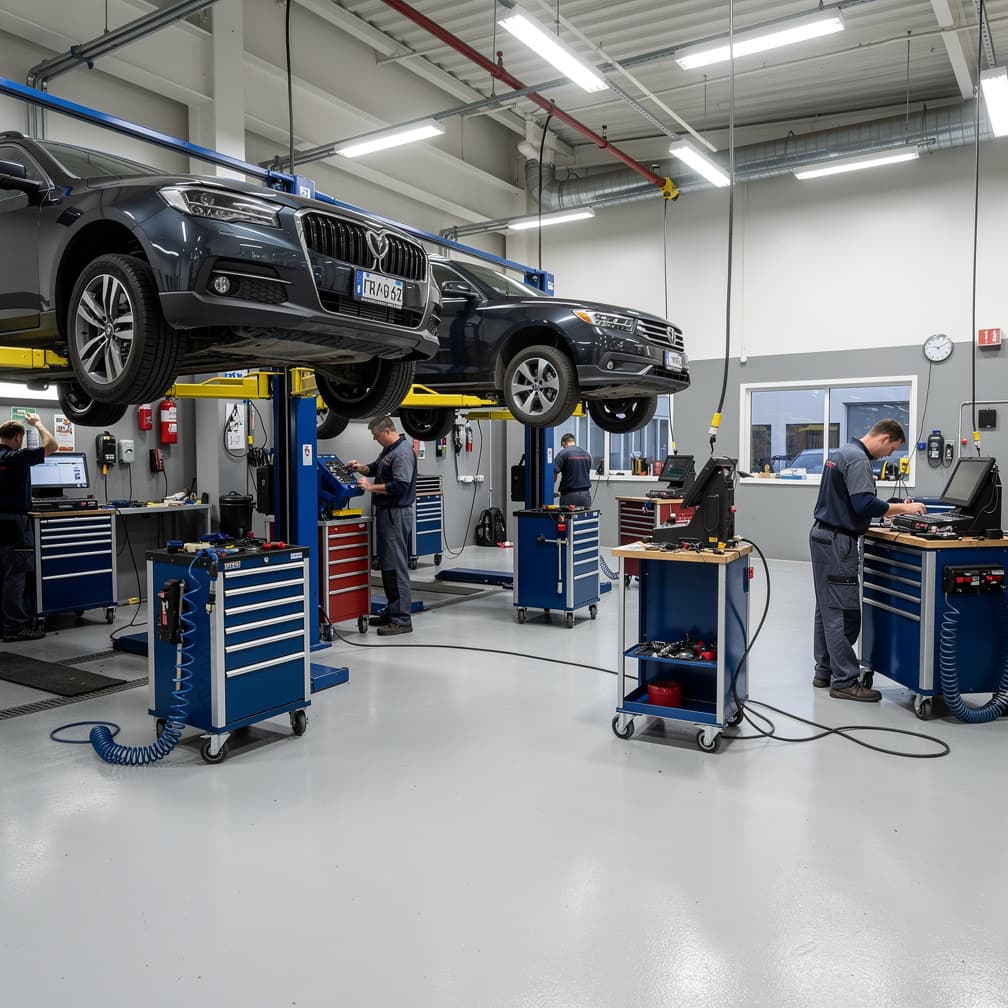
Garage keepers insurance may help pay for damage to a customer's vehicle while your business has it for service, storage, or parking. In Utah, the useful question is which custody situations create the most exposure for your operation, and whether your policy review matches them. A repair shop that keeps vehicles overnight has a different loss profile than a detailer turning cars the same day, and both differ from a tow yard or valet operation holding keys for multiple customers at once.
You should ask for a quote built around your real vehicle flow. That means identifying where customer vehicles are received, where they wait before work starts, who can move them, whether they are ever left outdoors, and what happens after hours. If your lot fills up during busy periods, say so. If vehicles are stored in more than one area, note that too. Underwriters use those operational details to evaluate how often a customer's vehicle could be exposed to damage while in your custody.
Utah conditions also make storage choices worth reviewing closely. If vehicles sit outside, ask how the policy responds to weather-related damage, lot incidents, and losses that happen while cars are waiting for parts or pickup. If you move vehicles between buildings, service bays, or overflow parking, describe that process clearly. If your business combines service work with towing, impound, or temporary storage, request a coordinated review so there are fewer gaps between policies.
A useful review goes beyond generic checklists to address your specific intake process, key control, after-hours drop procedures, lot security, and who is authorized to road test or reposition vehicles. Bring those details to the quote request so the coverage discussion stays tied to actual risk, not assumptions.
Collision Coverage
Covers damage to customers' vehicles from collisions while in your care.

Comprehensive Coverage
Covers theft, vandalism, fire, and weather damage to customers' vehicles.

Specified Perils
Covers only specifically named perils at a lower premium.

Legal Liability
Covers damage you or your employees directly cause to a customer's vehicle.

Direct Primary
Pays regardless of fault, the broadest garage keepers coverage available.
Garage Keepers Insurance Requirements in Utah
- Utah's winter weather can push vehicles outdoors when indoor bays fill up, so ask for a specific review of how snow, ice, and storm exposure affect limits and claim documentation.
- Businesses that combine towing, impound, repair, and temporary storage should describe each custody handoff separately so the policy review does not treat several exposures like one simple shop operation.
- If customers use after-hours drop-off, tighten written procedures for key collection, intake photos, and initial parking assignments before you compare quotes.
- If your lot uses overflow parking, shared commercial space, or more than one building, include each storage area in the submission so the underwriter evaluates the full vehicle concentration.
How Much Does Garage Keepers Insurance Cost in Utah?
Pricing in Utah usually turns on exposure quality, not a one-size-fits-all number. If you want a quote that is usable, give the underwriter a clear picture of how many customer vehicles you hold at one time, where they are parked, how long they stay, and how often employees move them. A shop that keeps a few vehicles indoors overnight is underwritten differently from an operation with outdoor storage, weekend backlog, or frequent vehicle transfers across a larger lot.
If customer vehicles are stored outside, the quote should reflect that. If they are kept behind fencing, under camera coverage, or in locked bays, mention those controls. If your business uses an overflow lot, shared parking area, or off-site storage, disclose it early. Pricing can also change based on whether you handle standard passenger vehicles only or regularly take custody of higher-value units, specialty vehicles, or vehicles waiting on long repairs.
Deductible and limit choices also shape cost. A lower deductible can mean a higher premium, while a higher deductible may reduce premium but leave you retaining more of a smaller loss. The same tradeoff applies to limits. If your lot can hold more vehicles during storm periods, seasonal surges, or delayed parts cycles, your limit review should account for that concentration.
If you document vehicle condition at intake, control keys tightly, and restrict who can move customer vehicles, that can make your account easier to underwrite. For a quote, prepare a simple exposure summary before you shop: maximum vehicles in custody, indoor versus outdoor storage, employee driving practices, security controls, and any towing or valet activity tied to the business.
Request a Quote Comparison
Enter your ZIP code to compare garage keepers insurance rates from top carriers.
Business insurance starting at $25/mo
Who Needs Garage Keepers Insurance?
Utah businesses need to review this exposure based on how they handle customer vehicles, not just on the sign out front. If customers leave vehicles with you and your staff decides where those vehicles are parked, stored, serviced, or moved, this coverage belongs in the conversation. That is true even if vehicle storage is only one part of your operation.
Body shops, tire stores, transmission shops, alignment shops, and quick-service operations all create custody exposure once a customer leaves a vehicle on site. The same goes for detailers who keep vehicles for several hours, dealerships with service lanes, and specialty shops that hold cars while waiting for parts or approvals. If your business takes keys and controls the lot, you should review the exposure.
Towing, impound, and roadside operators also need a careful look because vehicles may move through several stages of custody: pickup, transport, drop yard, and release. Valet services and parking operations create a different pattern, but the same core issue applies. Employees are moving, parking, and storing vehicles that belong to someone else. That creates a loss scenario that should be addressed directly in the quote process.
You may also need this review if your business is not primarily automotive. Apartment operators with valet arrangements, hotels using contracted parking services, or mixed-use businesses that temporarily hold customer vehicles can all run into custody questions. If a landlord, client, or lender asks for proof of insurance, use that request as a trigger to confirm exactly which policy responds when a customer's vehicle is damaged while your business is responsible for it.
Garage Keepers Insurance by City in Utah
Garage Keepers Insurance rates and coverage options can vary across Utah. Select your city below for localized information:
How to Buy Garage Keepers Insurance
Buying this coverage in Utah starts with a practical walkthrough of your operation. Before you request quotes, map the path of a customer vehicle from drop-off to pickup. Note where keys are stored, who can move vehicles, whether after-hours drop boxes are used, and where cars sit if work is delayed. That information gives the underwriter a real basis for the quote and helps you avoid a policy review built on incomplete assumptions.
Next, separate your exposures by activity. If you repair vehicles, store them overnight, road test them, tow them, or park them for customers, list each function clearly. Do not bundle everything into a generic description like "auto service." Utah businesses often have mixed operations, and the quote process works better when each custody point is spelled out. Be sure to include any additional lots or buildings, as well as situations where vehicles are left outside because indoor space fills up.
Then gather the documents that make the review more accurate: current policy information, loss runs if available, photos of storage areas, estimated maximum vehicles in custody, and written procedures for intake, key control, and employee driving. If a landlord or lender is asking for proof, ask in advance what wording, limits, or certificate details they expect so you can address that during quoting instead of after binding.
Finally, ask direct buying questions. How is outdoor storage treated? How should your limit account for vehicle accumulation? Are towing, valet, or temporary storage activities being reviewed together or separately? What claim documentation will help if a customer disputes pre-existing damage? A useful quote conversation ends with those operational points answered in writing, so you can compare options on substance rather than price alone. Ready to get started? Request a quote through CPK Insurance and we will match you with participating licensed providers who can help.
How to Save on Garage Keepers Insurance
The most effective way to lower costs in Utah is to reduce the specific risks that drive garage keepers claims, such as unclear intake documentation and uncontrolled lot access. Carriers generally respond better when your operation is easy to understand, easy to inspect, and easy to defend after a loss. That starts with written procedures. If every employee follows the same intake checklist, parking rules, and key-control process, your account is usually easier to underwrite than a shop where vehicle handling changes by shift or by manager.
Storage discipline can also help. Keeping more vehicles indoors, limiting access to fenced outdoor areas, and separating waiting vehicles from completed ones can all improve the submission. The same applies to cameras, lighting, gate procedures, and documented after-hours protocols. Savings usually come from showing that losses are less likely or easier to verify, not from cutting important coverage.
You can also save by matching limits and deductibles to your real exposure instead of guessing. If your maximum number of vehicles in custody rises during certain periods, review that before renewal. Underinsuring the lot to trim premium can backfire if several customer vehicles are damaged in one event. On the other hand, carrying limits far above your realistic accumulation may mean paying for capacity you do not need. A careful review can help you find the right balance.
Another practical step is to clean up how claims are documented. Take intake photos, note existing damage, record where each vehicle is parked, and log who moved it. Those habits may reduce disputes and support a cleaner loss history over time. When you request a quote, ask what operational improvements would make your account more competitive at the next renewal, then implement the ones you can verify.
Our Recommendation for Utah
For Utah buyers, the smartest move is to treat this as an operations review, not just a certificate request. Start with your lot map and your busiest day, not your average day. Underwriters need to know where customer vehicles accumulate when bays are full, parts are delayed, or pickup runs late. If that overflow area is outdoors, say so clearly.
Next, review mixed operations carefully. Many businesses do more than one thing with the same vehicle: tow it in, store it, repair it, then leave it waiting for pickup. If those steps are described vaguely, coverage review gets weaker. Spell out each handoff and ask how the policy is being structured around those custody changes.
I also recommend tightening intake evidence before you shop. Time-stamped photos, signed drop-off forms, key logs, and written road-test rules help both underwriting and claims handling. They show that your business can document condition, possession, and movement if a customer later disputes what happened.
Finally, if a landlord, lender, or commercial client is asking for proof of coverage, get their insurance requirements in writing before you bind. That lets you confirm certificates, additional insured requests where applicable, and any location-specific wording while you still have options to compare.
FAQ
Frequently Asked Questions
Landlords, lenders, and commercial clients are common parties to ask for proof before a lease, financing arrangement, or service contract moves forward.
Shops usually get a better quote review by describing where vehicles are received, parked, stored overnight, and moved by employees. Include after-hours drop-offs, outdoor storage, overflow lots, and any towing or valet activity tied to the business.
Businesses should assume outdoor storage matters because it changes how underwriters view vehicle concentration, security, and loss potential. If cars are left outside while waiting for parts or pickup, include that in the submission instead of treating it as occasional.
Repair shops should prepare a vehicle flow summary, current policy details, loss information if available, lot photos, and written procedures for keys, intake, and employee driving. That gives the underwriter a clearer basis for comparing options on substance.
Towing and impound operators often need a more detailed review because vehicles move through pickup, transport, storage, and release. Describe each custody stage clearly, so the quote reflects how customer vehicles are actually handled after they are recovered.
The Utah Insurance Department regulates this coverage, which means your policy forms, complaint process, and general insurance oversight run through that department. If a dispute arises over a claim or policy form, you can file a complaint directly with the Utah Insurance Department to request an official review, so keep policy documents and claim records organized from the start.
Businesses can make coverage easier to underwrite by standardizing intake photos, key control, parking assignments, employee driving rules, and after-hours procedures. Clear documentation reduces ambiguity, which can help the carrier evaluate the account more confidently.
Garage keepers insurance may cover damage to customers' vehicles while they are in your care, custody, or control. That may include collision, theft, fire, vandalism, hail, and other covered causes of loss, depending on your policy terms and how your business handles vehicles.
Sources
- 1.Utah Insurance Department(Utah is regulated by the Utah Insurance Department, so you should match your quote request, loss procedures, and policy review to the way your business actually takes custody of customer vehicles.)
Updated July 16, 2026