Updated July 16, 2026

Key Takeaways
- Compare liquor liability quotes using the same limits and the same description of your alcohol operations, then read exclusions and defense wording before you choose a policy.
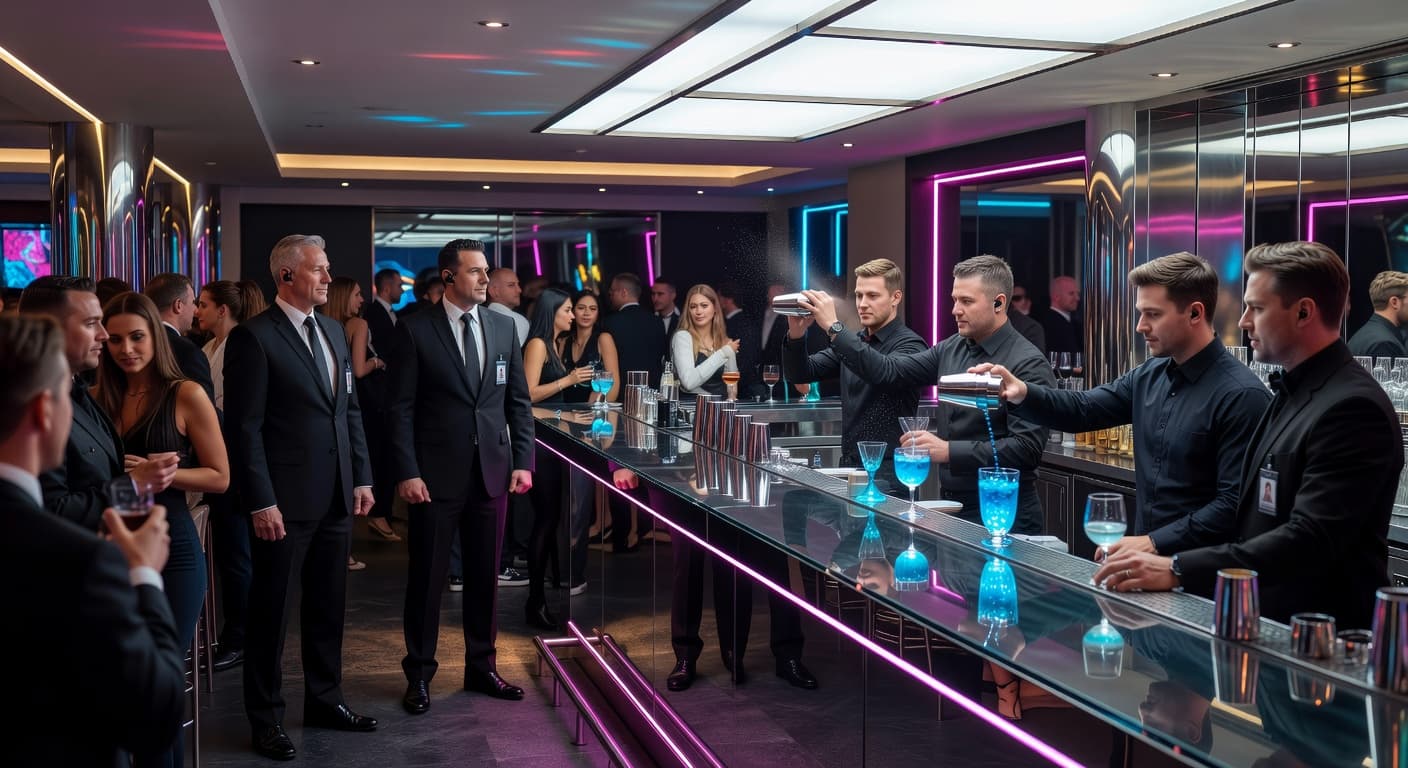
- Ask whether assault and battery is included, limited, or excluded, especially if you operate late hours, use security, host events, or manage crowded service areas.
- Document ID checks, server training, incident logs, and cut-off procedures so your application and your claim file both support how you actually operate.
- Review contracts from landlords, venues, and event partners early so you can match liquor liability limits and certificate requirements before binding coverage.
- Separate host liquor questions from true liquor liability needs if alcohol is only furnished occasionally and not part of your regular business revenue.
Liquor Liability Insurance in Utah
If you sell or serve alcohol anywhere in Utah, liquor liability insurance is worth reviewing before you renew a lease, apply for a permit, or expand your hours. Carriers compete for your business here, which means you may find meaningful price differences when you compare quotes. Still, alcohol-related claims can create expensive defense costs and settlements when intoxication leads to injury or assault. This coverage is built for businesses that manufacture, sell, serve, or distribute alcoholic beverages. Some licensing situations may require proof of coverage, making it a practical decision tied to your permit status.
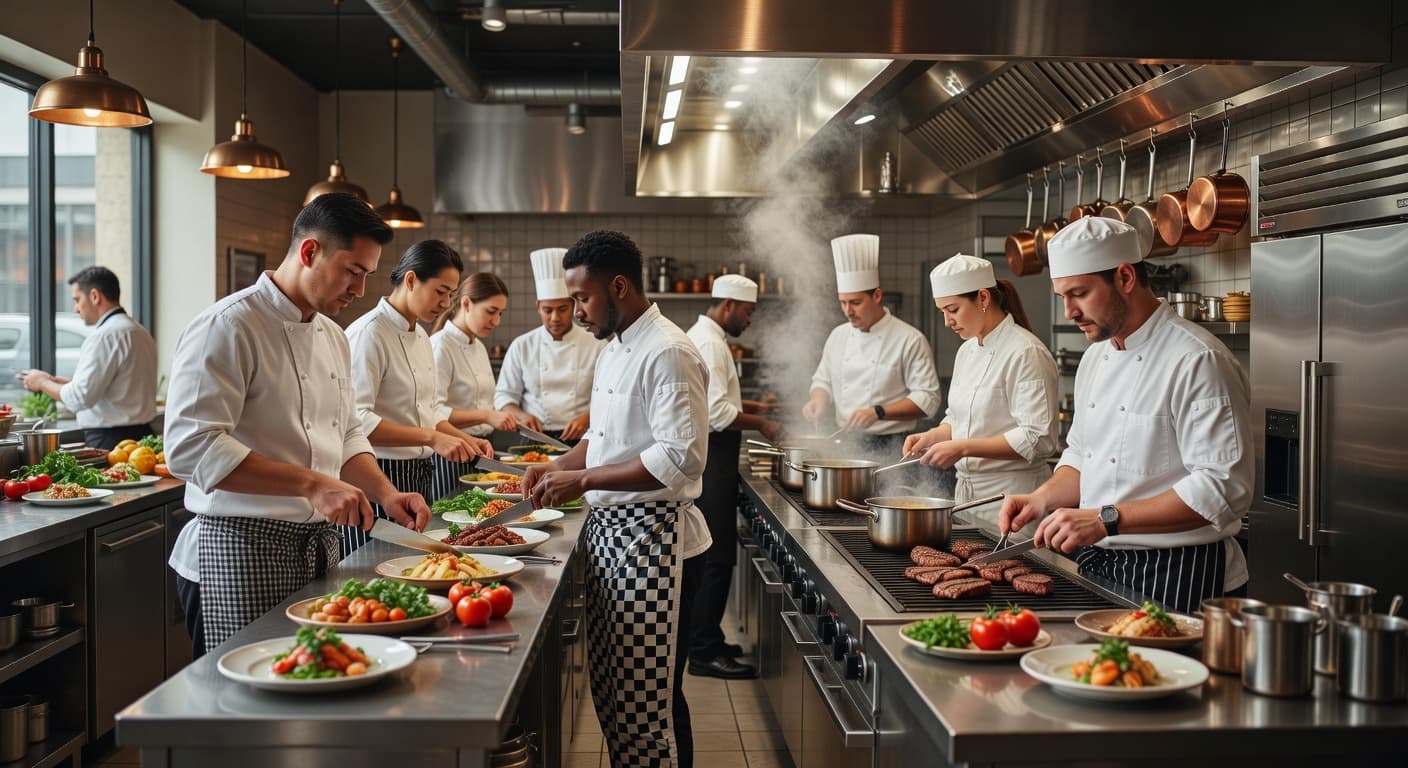
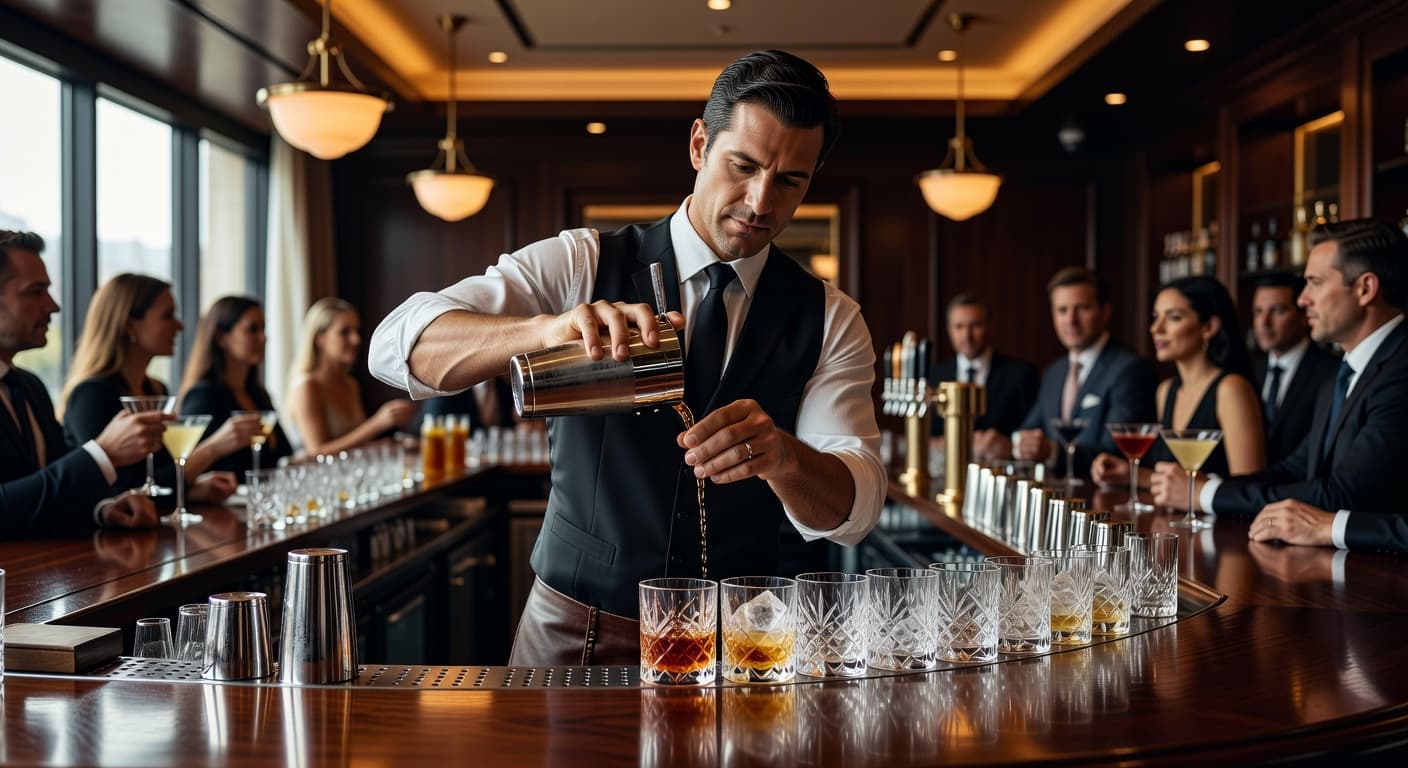
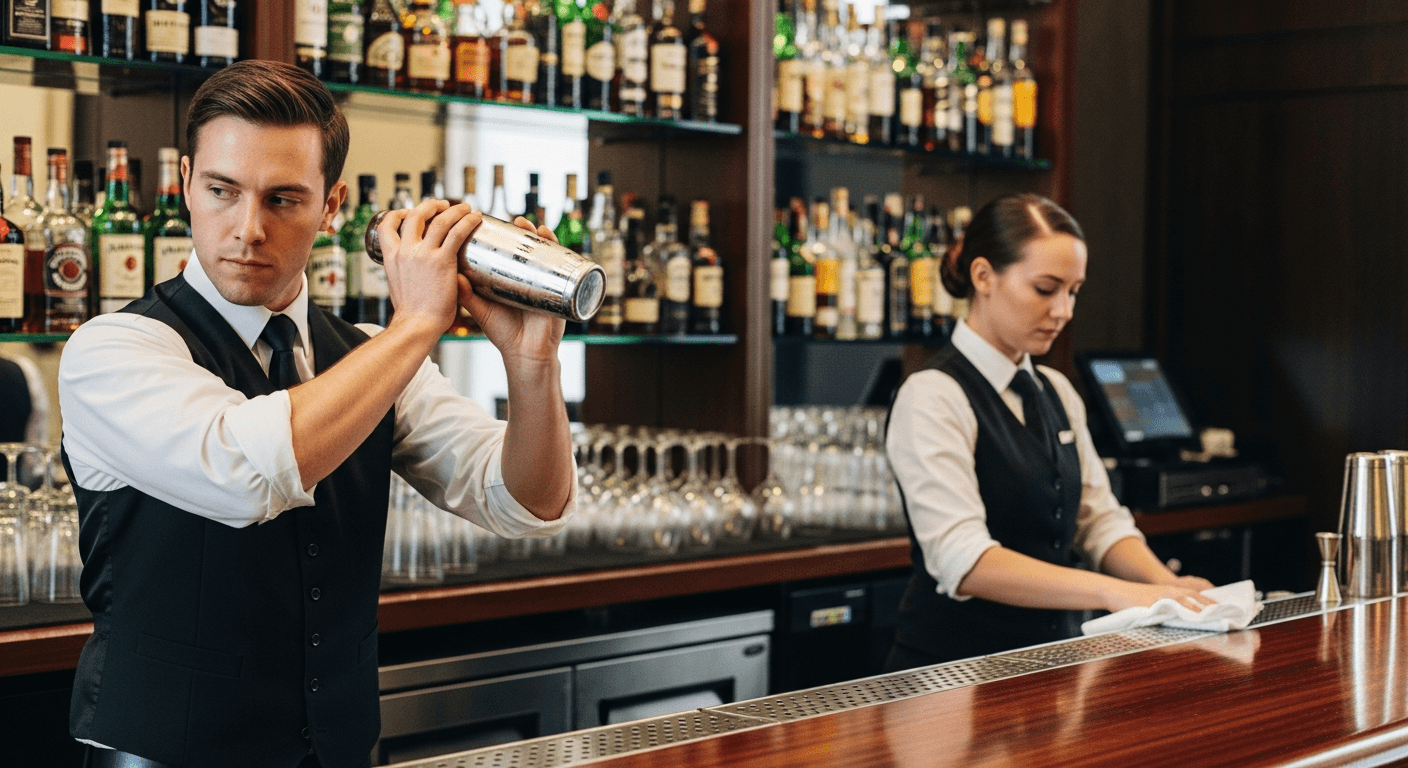
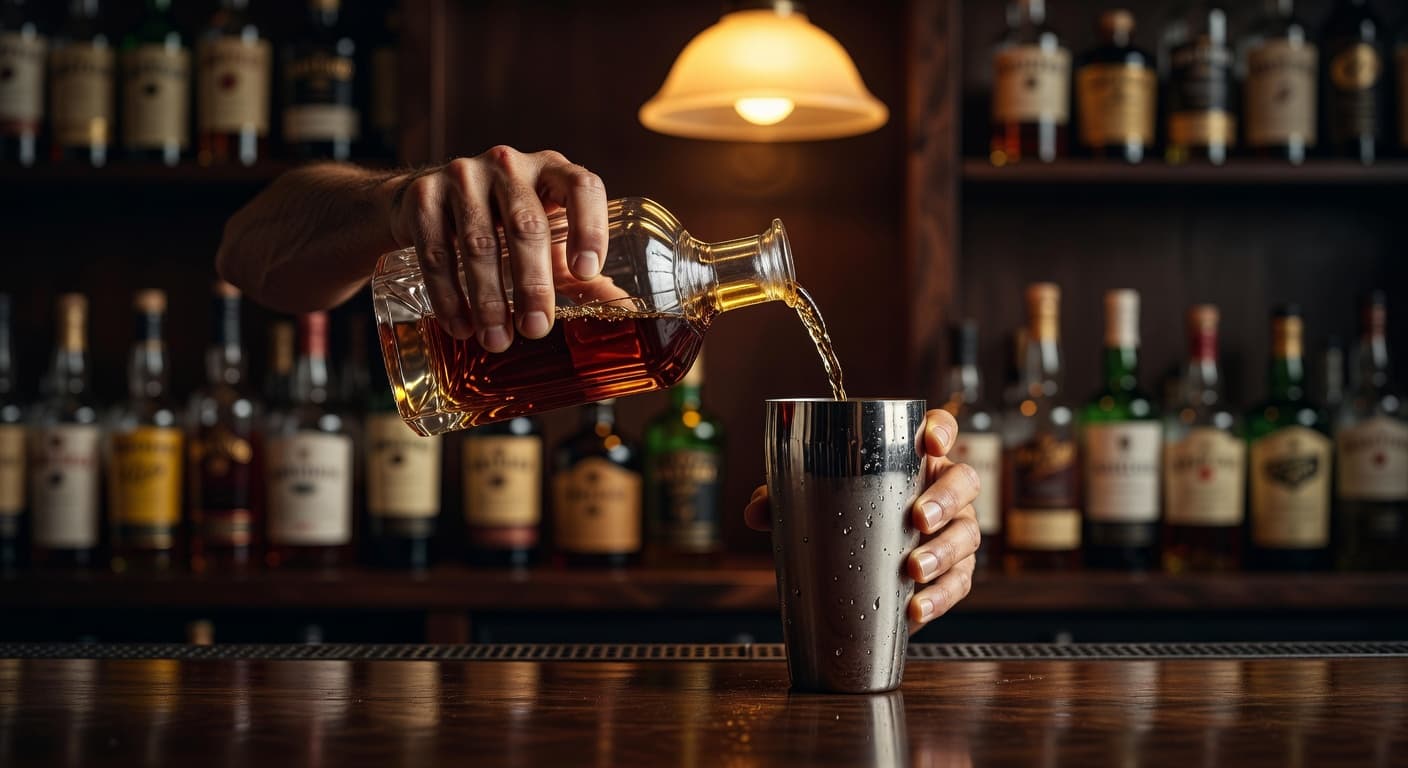
Bars, restaurants, breweries, wineries, hotels, caterers, and event venues all have to think about serving liability in a very practical way. A downtown bar with late-night service faces different exposure than a winery pouring samples on a Saturday afternoon.
What Liquor Liability Insurance Covers
Liquor liability insurance in Utah is designed for alcohol-related claims that arise when a business serves, sells, manufactures, or distributes alcohol and a patron later causes harm after being served. The core protection typically includes bodily injury liability, defense costs, settlements, and judgments. Policies may also include assault and battery plus host liquor liability coverage as part of the policy structure. That matters in Utah because this coverage is meant to respond when alcohol service becomes the center of a liability claim, not when the issue is a routine business loss. Standard general liability policies usually exclude this type of exposure for businesses in the alcohol business, so a separate liquor liability policy is often the practical fit.
Utah-specific coverage decisions usually revolve around how the policy is written for your operation, not a one-size-fits-all form. The Utah Insurance Department regulates coverage requirements, and those rules can affect what your policy needs to include. If your business needs proof of coverage for a license, the insurer may look closely at limits, endorsements, and whether your service model includes on-premises consumption, catered events, or occasional host liquor exposure. Host liquor liability coverage can be relevant for businesses that only serve alcohol in limited situations. Full alcohol liability insurance is more appropriate when alcohol sales are part of regular operations. Because policy details vary, you should confirm whether defense costs are inside or outside the limit, whether assault-related claims are included, and whether any exclusions apply to your specific license requirements.
Bodily Injury Liability
Can help cover injuries an intoxicated patron causes to others after your business served or sold them alcohol.
Property Damage Liability
May pay for property damage caused by an intoxicated customer your establishment served, such as a car crash after leaving.
Assault & Battery
Can help cover claims arising from fights or physical altercations involving intoxicated patrons at your bar or restaurant.

Defense Costs
May pay for attorneys, court fees, and related legal expenses when your business is sued over an alcohol-related incident.
Host Liquor Liability
Can help cover alcohol-related claims from events where you host or serve drinks without selling them, like company parties.
Liquor Liability Insurance Requirements in Utah
- Utah businesses should confirm whether their policy is written for regular alcohol sales or only occasional host liquor exposure.
- Defense costs, settlements, and judgments are important to verify because alcohol-related claims can become expensive quickly.
- Coverage requirements may vary by industry and business size, so a restaurant, bar, and event venue may not need the same structure.
- If your liquor license process asks for proof of insurance, ask the carrier about certificate timing and policy wording before binding.
How Much Does Liquor Liability Insurance Cost in Utah?
Average Cost in Utah
$45 - $170
per month
Businesses in Utah typically see liquor liability insurance premiums of $45 - $170 per month, which tends to run 26% below the national range of $50 - $240 per month.
- Share of sales that comes from alcohol
- Type of venue and how late you serve
- Server training and service procedures
- State dram shop law
- Liquor liability limits selected
- Prior over-service or assault claims
Contact CPK Insurance for a personalized quote.
Your liquor liability insurance cost in Utah is shaped by coverage limits, deductibles, claims history, location, industry profile, and policy endorsements. A small venue with limited alcohol service may see a different quote than a high-volume bar or restaurant. Because pricing depends on your specific operations, comparing quotes is the best way to see where your business lands.
Utah's market conditions help explain why quotes can differ. Pricing in the state tends to run below the national average in many lines, which can work in your favor. Even so, this coverage still depends heavily on your operations. A business in a metro area may receive different pricing than a similar operation in a smaller market because location is one of the rating factors. Claims history also matters, especially if you have prior alcohol-related incidents, assault claims, or repeated overserving concerns. Industry profile is another major factor, since a nightclub or busy restaurant generally presents a different exposure than a hotel lounge, winery, or catered event venue.
If you want a quote, expect carriers to ask about annual revenue, service hours, number of employees, security procedures, and endorsements. Bundling can also affect price, and multi-policy discounts may apply when liquor liability is combined with other business coverage. Because pricing is not fixed, comparing multiple carriers in Utah is the best way to see where your business sits.
Prices shown are general estimates, not guaranteed rates or quotes. Your actual premium will depend on the insurer, coverage selected, business details, location, claims history, and other underwriting factors. Learn about our pricing methodology.
Request a Quote Comparison
Enter your ZIP code to compare liquor liability insurance rates from top carriers.
Business insurance starting at $25/mo
Who Needs Liquor Liability Insurance?
Any Utah business that sells, serves, manufactures, or distributes alcohol should review this coverage before assuming a general liability policy is enough. Bars, restaurants, nightclubs, breweries, wineries, liquor stores, caterers, event venues, and hotels are businesses that may need it. In Utah's economy, that list matters because accommodation and food services employ roughly 1 in 10 workers statewide. Over 99 percent of Utah businesses are small operations, which means many owners are balancing alcohol service with tight margins. Comparing your options carefully is especially important when you are managing costs closely.
Restaurant liquor liability insurance is a common fit for places that serve alcohol alongside food, especially if service runs through busy dinner hours or private events. Bar insurance coverage is usually more focused on higher-frequency alcohol service, where overserving, intoxication, and assault claims may be more likely to be part of the underwriting conversation. Host liquor liability coverage may be more appropriate for businesses that only serve alcohol occasionally, such as a hotel banquet, a catered reception, or a venue hosting a private event. Coverage can also be relevant when a permit or renewal process expects proof that you carry the right protection.
Utah businesses should also think about local operating patterns. A venue in a downtown area may face different crowd dynamics than a winery in a rural setting. A caterer working events across the Wasatch Front may need broader coverage than a single-location operation. The safest approach is to match the policy to your actual alcohol service rather than to a generic business category.
Liquor Liability Insurance by City in Utah
Liquor Liability Insurance rates and coverage options can vary across Utah. Select your city below for localized information:
How to Buy Liquor Liability Insurance
To buy liquor liability insurance in Utah, start by gathering the details a carrier will use to evaluate alcohol-related risk. That includes your business type, locations, hours of operation, annual revenue, number of employees, and whether you serve alcohol on-site, off-site, or only at occasional events. Carriers will also want to know about claims history, security practices, and any endorsements you are considering. That information helps them price the coverage more accurately and determine whether you need a full policy or a host liquor liability option.
Utah businesses should compare quotes from multiple carriers because several insurers write policies in the state. Bear River Mutual is among the carriers active in-state, though availability varies by business profile. A licensed professional can help you compare quotes across several carriers and explain how each policy handles defense costs, assault and battery, and license-related needs.
From a compliance standpoint, the Utah Insurance Department is the regulator to know. If you are applying for or renewing a liquor license, ask what documentation the insurer may require and how policy issuance works for your business profile. Before you finalize, review limits, deductibles, endorsements, and whether the policy is written for a restaurant, a bar, or a different business model. That step is important because the right policy form should match how your business actually serves alcohol. Request a quote today to see your options.
How to Save on Liquor Liability Insurance
The most effective way to manage liquor liability insurance cost in Utah is to compare multiple quotes and make sure each carrier is rating the same exposure. Utah's market has many active insurance companies, so price differences can be meaningful even when the coverage looks similar at first glance. Ask each carrier to quote the same limits, deductible, and endorsements so you can compare apples to apples.
Bundling is another practical savings strategy. Combining your policy with other business policies can typically yield multi-policy discounts. If you already carry general liability, commercial property, or workers compensation, ask whether the carrier can package those policies with your liquor liability coverage. That approach can also simplify renewal timing for your business.
Operational choices can affect price too. A cleaner claims history, lower-risk service profile, and tighter controls around intoxication and overserving may help keep quotes more favorable. If you only serve alcohol occasionally, ask whether host liquor liability coverage is appropriate instead of a full form. That can prevent you from paying for exposure you do not have. Finally, review limits and deductibles carefully. Higher limits can increase cost, but too little protection can leave you underprepared for defense costs and judgments.
Our Recommendation for Utah
For Utah buyers, the smartest first step is to match the policy to how alcohol is actually served at your business. A downtown bar, a suburban restaurant, and a catering company all face different underwriting questions, even though they may all need this coverage. Use that to your advantage when you request a quote. Be precise about hours, service style, event work, and prior claims. If your operation is limited, ask whether host liquor liability coverage is enough. If alcohol is central to revenue, ask for full coverage with defense costs clearly explained.
Because Utah businesses should compare quotes from multiple carriers and the market includes several active insurers, you can often find meaningful differences in how policies are structured. Before you buy, confirm the policy works with your license requirements and review endorsements closely. This is especially important if assault claims or defense costs matter to your risk profile.
FAQ
Frequently Asked Questions
In Utah, liquor liability insurance is built to respond to alcohol-related claims tied to serving, selling, manufacturing, or distributing alcohol. Policies may include bodily injury liability, defense costs, settlements, judgments, assault and battery, and host liquor liability coverage, which are all relevant when intoxication or overserving becomes part of a claim.
Many states require liquor liability coverage as a condition of holding a liquor license, and that can apply in Utah depending on the business and licensing situation. Because requirements may vary by industry and business size, check your liquor license requirements in Utah before renewal or expansion.
Your liquor liability insurance cost in Utah depends on limits, deductibles, claims history, location, industry profile, and endorsements. A small venue may pay closer to the low end, while a high-volume bar may see higher quotes.
Pricing is driven by coverage limits and deductibles, claims history, location, industry or risk profile, and policy endorsements. A busy bar in a metro area may be rated differently than a hotel lounge, winery, or catered event operation because the alcohol exposure is not the same.
Host liquor liability coverage is generally a fit for occasional alcohol service, while full liquor liability insurance is designed for businesses that regularly sell or serve alcohol. If alcohol is part of your normal operations, a separate liquor liability policy is usually needed.
Yes, liquor liability insurance typically helps pay for legal defense, settlements, and judgments resulting from alcohol-related claims. That matters in Utah because these claims can bring significant financial exposure even before a case is resolved.
Review whether the policy includes defense costs, assault and battery, and host liquor exposure, and then match limits to your risk level. Because coverage requirements may vary by industry and business size in Utah, the right structure for a restaurant may not be the same as for a venue or caterer.
U.S. businesses that sell, serve, or distribute alcohol should review liquor liability insurance. That usually includes bars, restaurants, breweries, wineries, liquor stores, caterers, hotels, and event venues, especially when alcohol service is part of normal operations rather than an occasional event.
Sources
Updated July 16, 2026