Updated July 16, 2026

Car Insurance in Provo
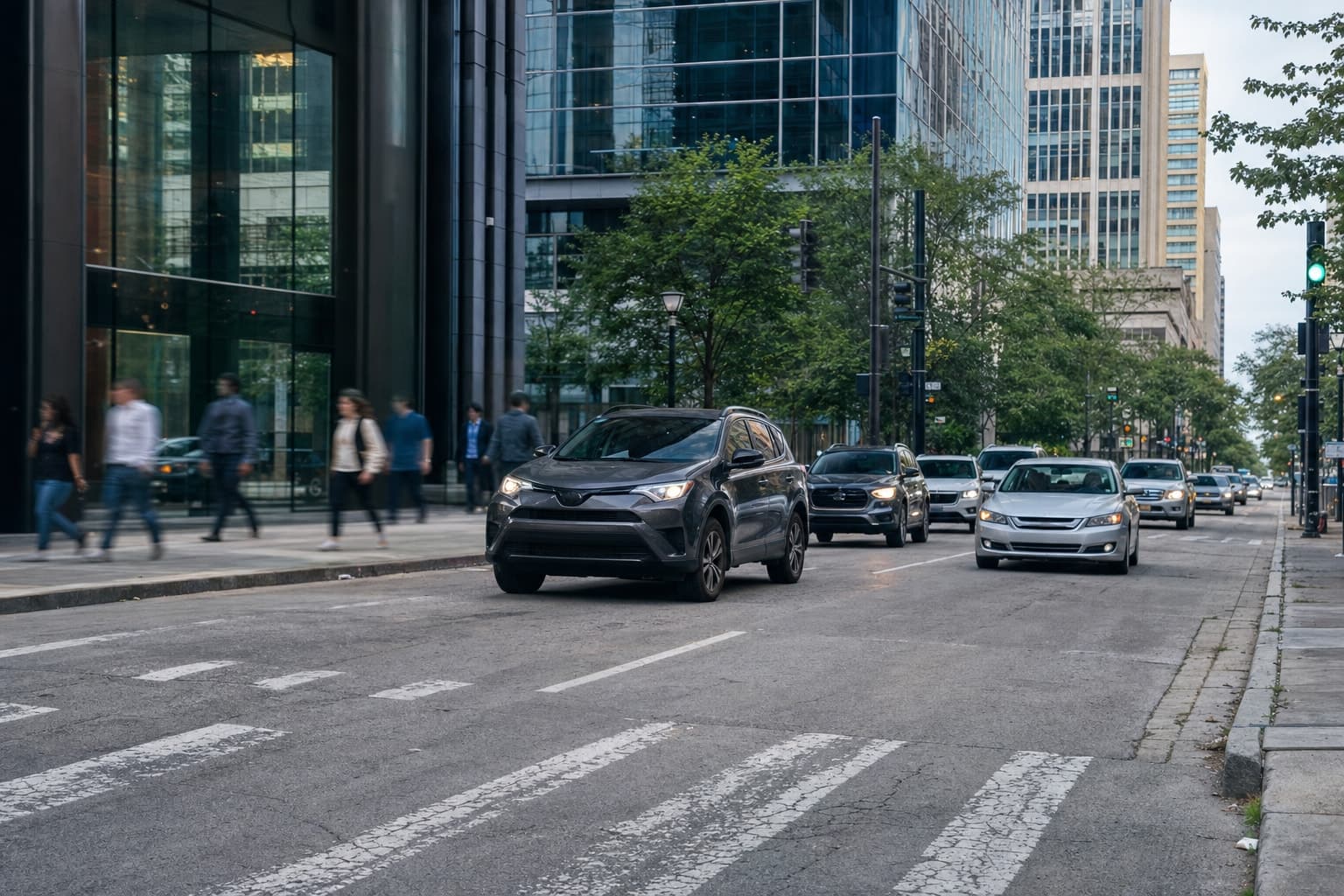
Professional, scientific, and technical services lead the local economy around Provo, with construction and retail close behind. Local driving patterns often reflect that mix, with vehicles bouncing between client visits, supply runs, and frequent stops at offices, job sites, and shopping areas. It matters when you shop for car insurance in Provo, because the right quote should match how your vehicle is actually used during the week, not just where you garage it at night. In this county, those sectors account for 16.6% of establishments, with construction and retail following close behind. Those sectors tend to generate multi-stop routes and equipment transport, which is exactly the kind of detail an insurer may weigh when classifying your vehicle use. Many households here have mixed-use driving that can blur the line between personal errands and work-related trips. If you use one vehicle for meetings, tools, deliveries, or inventory pickups, review whether your policy use classification, mileage estimate, and optional coverages still fit before you renew or switch.
Utah has a moderate climate risk rating. Top hazards: Wildfire (High), Earthquake (High), Drought (Moderate), Winter Storm (Moderate). The state's expected annual loss from natural hazards is $320M, which influences car insurance premiums and may affect coverage availability in high-risk areas.
What Car Insurance Covers
Your quote review should begin with the state's minimum liability requirement, then move quickly to whether those limits are realistic for the vehicles, medical bills, and property damage costs involved in a serious loss. If you own savings, have regular passengers, or drive in heavier traffic conditions, it is worth asking for higher liability options side by side.
Beyond that baseline, the practical coverage decision comes down to the vehicle and the way you use it. If your vehicle is financed or leased, your lender commonly expects collision and comprehensive to stay in force until the loan or lease is satisfied. If you depend on one vehicle for commuting, school drop-offs, or frequent regional driving, you should also review how a claim may affect your ability to keep moving while repairs are underway.
The most useful quote comparison separates legal minimums from financial exposure. Ask to see liability limits above the minimum, then review physical damage deductibles, rental reimbursement, roadside assistance, and any optional protections you are considering on the same worksheet. That lets you decide whether you are buying a policy that only checks the legal box or one designed to absorb a larger share of a real-world loss.
Coverage Included

Liability
Can help pay for injuries and property damage you cause to others in an accident, coverage most states require drivers to carry.
Collision
Can help pay to repair or replace your car after a crash with another vehicle or object, regardless of fault.

Comprehensive
Typically covers damage to your car from events other than collisions, such as theft, hail, fire, flooding, or hitting an animal.

Uninsured Motorist
May pay for your injuries and, in some states, car damage when an at-fault driver has no insurance or too little.

Medical Payments
Can help cover medical bills for you and your passengers after an accident, no matter who was at fault.
Rental Reimbursement
May pay for a rental car while your vehicle is in the shop for repairs after a covered claim.
Car Insurance Cost in Provo
Average Cost in Utah
$85 - $200
per month
In Utah, car insurance premiums typically run $85 - $200 per month, which tends to run 16% below the national range of $110 - $230 per month.
- Driving record and age
- Vehicle make, model, and year
- Location and commute distance
- Credit-based insurance score
- Coverage limits and deductibles
Contact CPK Insurance for a personalized quote.
Prices shown are general estimates, not guaranteed rates or quotes. Your actual premium will depend on the insurer, coverage selected, personal details, location, claims history, and other underwriting factors. Learn about our pricing methodology.
Cost for a Utah auto policy depends less on a single statewide average and more on how underwriters read your risk profile. Many drivers see premiums from $85 to $200 per month, which means the difference between the low and high end can add up to nearly $1,400 a year. A clean driving record and a modest vehicle garaged in a lower-traffic area tend to sit near the bottom of that range. A newer financed car, a long commute, or a recent at-fault claim can push the number toward the top.
Households with multiple drivers can also see a different result than a single-driver policy, especially if one vehicle is used for longer commuting patterns or regular passenger transport. The same is true if you choose higher liability limits, lower deductibles, or add endorsements that make a claim easier to manage.
To get a quote you can actually use, keep the comparison consistent. Once that baseline is set, test a few deliberate changes, such as raising deductibles or increasing liability limits, so you can see the tradeoff clearly. If a quote looks unusually low, verify what was removed before you decide it is the better buy.
What Affects Car Insurance Rates in Provo
Provo households often have to make careful tradeoffs between monthly premium and deductible, and that budget conversation is more practical here than abstract. The city's median household income is $62,800, so a small price difference on a quote may matter less than whether you could comfortably absorb a larger out-of-pocket repair bill after a claim. That is worth testing before you choose a lower premium with a higher deductible. If you are comparing options, ask for the same liability limits and the same deductible structure across each quote so you can see the real price difference. Then decide whether you want to pay more each month to reduce claim-time cash strain, or keep premiums lower and retain more risk yourself.
What Makes Provo Different
How often a personal vehicle doubles as a work tool often shapes the insurance decision here. Utah County has 17,057 business establishments, so even personal vehicles are frequently woven into a week that includes office parking, retail stops, contractor supply pickups, and short business errands between other tasks. That does not automatically mean you need a commercial auto policy, but it does mean your insurer should understand how the car is actually used. If your routine includes transporting work equipment, visiting clients, or driving more miles than your current application shows, update those details before a claim forces the issue.
Our Recommendation for Provo
If your car mostly handles commuting and household errands, a personal policy may still fit. Just confirm your annual mileage, regular drivers, parking location, and whether any work tasks happen along the way. If you carry tools, samples, or business property, ask how losses inside the vehicle are treated and whether a separate policy handles them better. When you alternate between office days, retail stops, and construction-related errands, review collision and comprehensive deductibles with the same care you give liability limits. Ask each insurer for the same coverage structure so you are not comparing mismatched quotes, and if any answer about business use feels vague, get it in writing before you bind coverage.
Get Car Insurance in Provo
Enter your ZIP code to compare car insurance rates from carriers in Provo, UT.
Car insurance starting at $59/mo
FAQ
Frequently Asked Questions
Provo drivers should describe how the vehicle is really used each week, including client visits, supply pickups, or carrying tools. Mixed-use driving is common here, so being specific about your routine helps an insurer classify your use correctly.
Provo quotes can change when your work routine changes how often, how far, and why you drive. Errands tied to jobsites or store runs can affect how an insurer classifies use, so the details you provide matter.
Provo households should compare the same liability limits and the same deductible options side by side. The city's median household income is $62,800, so a higher deductible might save on monthly premiums but could strain your budget if a claim occurs.
Utah County business activity can change what you need to review because 17,057 establishments create more reasons for short business-related trips in a personal vehicle. If your driving includes meetings, pickups, or equipment transport, confirm your policy use classification before renewing.
Utah requires at least $30,000/$65,000/$25,000 (raised effective 2025) in auto liability limits. That meets the legal floor, but many drivers still compare higher limits if they want more protection against larger injury or property damage claims.
Utah minimum limits can satisfy state rules, but they may leave a gap if a serious accident creates damages above the legal minimum. If you have savings, wages, or a newer vehicle to protect, ask for higher liability options side by side.
Utah premiums often fall in a broad range from $85 to $200 per month, depending on the vehicle, driver history, garaging location, mileage, deductibles, and selected coverages. The useful comparison is how your own quote changes when those inputs change.
If the car's value is modest, compare the premium for those coverages against what you could afford to pay out of pocket for repairs or replacement.
Sources
- 1.U.S. Census Bureau, County Business Patterns, Utah County(In Utah County, professional, scientific, and technical services account for 16.6% of establishments, construction 13.5%, and retail trade 12.2%, so many households here have mixed-use driving that can blur the line between personal errands and work-related trips.; Utah County has 17,057 business establishments, so even personal vehicles are often woven into a week that includes office parking, retail stops, contractor supply pickups, and short business errands between other tasks.)
- 2.U.S. Census Bureau, ACS 5-Year Estimates, table B19013(The city's median household income is $62,800, so a small price difference on a quote may matter less than whether you could comfortably absorb a larger out-of-pocket repair bill after a claim.)
Updated July 16, 2026