







































Updated July 5, 2026

Commercial Truck Insurance in Provo
Are you asking whether commercial truck insurance in Provo should be built differently from a generic Utah trucking policy? Yes, if your work is tied to short local runs, contractor schedules, retail deliveries, or service calls that start and stop around Utah County instead of staying on a long-haul pattern. Here, the issue is less about a one-size-fits-all truck form and more about matching radius, vehicle use, driver routines, and loading habits to the way your trucks actually earn revenue.
That matters because the county around Provo supports a large base of business establishments, so trucks often move between job sites, suppliers, storefronts, and customer locations on tight timelines before heading back out the next day. If your operation serves builders, retailers, or business clients, you should review whether your policy classifies the truck correctly, whether hired and non-owned auto belongs in the package, and whether cargo or equipment left in the vehicle creates a gap. A useful quote request here includes your normal service radius, where units are parked overnight, who loads the truck, and whether the same vehicle shifts between delivery, hauling, and service work during the week.
Commercial Truck Insurance Risk Factors in Provo
Provo's top risk factors include Wildfire risk, Drought conditions, Power shutoffs, and Air quality events.
Utah has a moderate climate risk rating. Top hazards: Wildfire (High), Earthquake (High), Drought (Moderate), Winter Storm (Moderate). The state's expected annual loss from natural hazards is $320M, which influences commercial truck insurance premiums and may affect coverage availability in high-risk areas.
What Commercial Truck Insurance Covers
Commercial truck insurance in Utah is built around how your trucks operate, not just what they are. The core policy can include motor carrier liability coverage for bodily injury and property damage tied to freight operations, physical damage coverage for collision and other direct loss to the unit, cargo insurance for freight you are transporting, trailer interchange, bobtail coverage, and non-trucking liability. Utah does not add a separate state-specific truck insurance mandate here, but businesses must still align coverage with Utah commercial auto minimums and with federal filing or shipper requirements when those apply. That matters because many trucking contracts require limits above the minimums, especially for general freight and higher-value loads. A local dump truck, a refrigerated truck, and a long-haul tractor may need different endorsements and deductibles. In Utah, where property crime and motor vehicle theft are elevated and winter storms and wildfire are part of the risk picture, exclusions and deductibles become especially important. Cargo coverage usually applies only while freight is in transit and only up to the policy's stated limits, while bobtail and non-trucking liability are designed for off-dispatch or personal-use situations rather than revenue hauling.
Coverage Included

Motor Carrier Liability
Can help cover injuries and property damage your truck causes to others, a coverage federal regulators require most for-hire carriers to maintain.
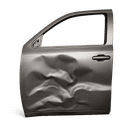
Physical Damage
Can help pay to repair or replace your own truck after an accident, fire, theft, or vandalism.
Cargo Coverage
May pay for damage to or theft of the freight you are hauling while it is in your care.
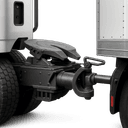
Trailer Interchange
Can help cover damage to trailers you haul under an interchange agreement but do not own.
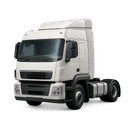
Bobtail Coverage
May provide liability protection when you drive your tractor without a trailer attached, such as after dropping off a load.

Non-Trucking Liability
Can help cover accidents that happen when you use your truck for personal errands rather than dispatched work.
Commercial Truck Insurance Cost in Provo
Average Cost in Utah
$420 - $1,025
per month
Businesses in Utah typically see commercial truck insurance premiums of $420 - $1,025 per month, which tends to run 5% below the national range of $400 - $1,125 per month.
- Radius of operation
- Commodities hauled and cargo value
- Number and value of power units
- Driver motor vehicle records and CDL experience
- DOT safety record, inspections, and FMCSA scores
- Liability limits and physical damage deductibles
Contact CPK Insurance for a personalized quote.
Prices shown are general estimates, not guaranteed rates or quotes. Your actual premium will depend on the insurer, coverage selected, business details, location, claims history, and other underwriting factors. Learn about our pricing methodology.
For Utah trucking operations, monthly cost depends on coverage limits, deductibles, claims history, location, industry or risk profile, and policy endorsements. Utah's premium index of 94 means premiums here run slightly below the national average. In practical terms, a typical Utah trucking account may price roughly 6 percent below a comparable operation in a state indexed at 100. A competitive field of carriers gives you room to compare, but competition does not erase the effect of route density, freight type, and loss history. A truck operating around Salt Lake City, Ogden, or other higher-traffic corridors can look different from a rural local hauler because accident exposure, theft risk, and weather exposure are not the same. The state's 2023 crash data also shows 62,000 total crashes. That volume can pressure claims frequency, which may translate into stricter underwriting or higher premiums for carriers operating in dense corridors. Utah also shows an average claim cost of $19,399. When a single loss runs near that figure, a higher deductible can keep premium costs manageable, but you should confirm your coverage limits are sufficient to handle a severe loss without threatening your operation. Cargo value matters too, since higher-value freight usually needs higher limits. Endorsements such as trailer interchange, bobtail coverage, or non-trucking liability can add cost, but they also change how the policy responds.
Industries & Insurance Needs in Provo
Utah County's business mix is what changes demand for trucking coverage here. Professional, scientific, and technical services account for 16.6% of establishments, construction 13.5%, and retail trade 12.2%, so many local trucks are not pure freight units. They are often pickups, vans, flatbeds, or medium-duty vehicles supporting contractors, suppliers, store replenishment, and field service operations.
That mix affects what you should ask an agent to review. A contractor's truck may need limits that satisfy a job contract, plus physical damage and equipment considerations if tools stay with the vehicle. A retail or distribution vehicle may need closer attention to cargo, loading practices, and driver schedules built around repeated stops. A service business with a truck used by technicians may need the policy written to match mixed business use rather than a narrow hauling description. If your truck supports more than one revenue stream, say that clearly during quoting so the policy matches the actual exposure.
What Makes Provo Different
Mixed-use commercial vehicles are what make this market different. In many places, truck insurance is mainly a long-haul or dedicated freight conversation. Around Provo, a large share of demand comes from businesses that use trucks as part of a broader operation, not as a standalone trucking company.
That distinction changes the buying calculus. A vehicle may carry materials in the morning, make a supplier pickup at midday, and head to a customer site in the afternoon. If the policy is quoted as simple delivery use when the truck also supports contracting or field service work, you risk a mismatch between the application and the loss scenario. The county's 17,057 establishments create a dense network of vendors, job sites, and customer stops, so usage details matter more than a generic truck description. The practical move is to map each vehicle by use, radius, garaging location, and who drives it, then ask for a quote built around those facts instead of your business label alone.
Our Recommendation for Provo
Start with the vehicle schedule, then work outward. List each unit by body type, gross vehicle use, normal radius, and whether it carries cargo, tools, materials, or attached equipment. If one truck shifts between delivery, contracting, and service calls, disclose that mix instead of choosing the narrowest description to save time.
Next, compare your insurance request against the contracts you sign. In a market supported by construction, retail, and business services, certificate requests can come from landlords, general contractors, and commercial customers before work starts. That is a good reason to review liability limits, additional insured requests where appropriate, and whether hired and non-owned auto belongs with your primary truck coverage. If your drivers take vehicles home or park at different locations, include that too. The cleaner your operating details are at quote time, the easier it is to compare terms, spot exclusions, and avoid buying a policy that fits the truck on paper but not on the road.
Get Commercial Truck Insurance in Provo
Enter your ZIP code to compare commercial truck insurance rates from carriers in Provo, UT.
Business insurance starting at $25/mo
FAQ
Frequently Asked Questions
Provo buyers usually need the quote built around mixed vehicle use, short service radiuses, and repeated business stops across Utah County. Your truck may serve vendors, job sites, and customers in the same week, so the use description should be specific.
Provo contractor vehicles should be described by actual use, not just the business name. In a county where construction makes up 13.5% of establishments, insurers will want the truck's hauling, delivery, and job-site duties reflected accurately.
Utah County retail operations should review cargo handling, driver routines, and how often the vehicle is loaded and unloaded. Retail trade represents 12.2% of county establishments, so many local trucks are doing frequent delivery work rather than simple point-to-point hauling.
Provo service vehicles often need coverage matched to field work, tools, and business-use driving patterns. Professional, scientific, and technical services account for 16.6% of county establishments, which points to trucks and vans supporting client visits and mobile operations.
Provo insurers ask because garaging, driver assignment, and daily use help determine how the vehicle is rated and what endorsements may fit. If a truck moves between employees, job sites, and overnight locations, those details should be disclosed before binding.
It can combine motor carrier liability coverage, physical damage coverage, cargo insurance, trailer interchange, bobtail coverage, and non-trucking liability, depending on how your Utah operation runs.
Utah businesses must work within the Utah Insurance Department's rules, the state's commercial auto minimums of $30,000 per person, $65,000 per accident, and $25,000 for property damage (raised effective 2025), and any federal or shipper limits that apply to the freight being hauled.
The actual quote depends on limits, deductibles, claims history, location, and endorsements. Your final price varies by routes, cargo, and driver records, so accurate details produce the most reliable pricing.
Sources
- 1.U.S. Census Bureau, County Business Patterns, Utah County(The county's 17,057 establishments create a dense network of vendors, job sites, and customer stops; Professional, scientific, and technical services account for 16.6% of establishments, construction 13.5%, and retail trade 12.2%)
Updated July 5, 2026





