Updated July 5, 2026

Dealer Open Lot Insurance in Provo
A tighter local market changes how you shop this coverage. You may see fewer carriers willing to look at a smaller independent operation, and the ones that do usually want a cleaner story about where vehicles sit, who has access after hours, and how fast you can produce proof for a lender, landlord, or auction partner. That is the practical backdrop for dealer open lot insurance in Provo. Here, the buying process often turns on documentation and relationships as much as raw inventory value.
That matters because you are not placing coverage in a huge metro with endless underwriting appetite. You are usually trying to show that your lot controls are consistent, your overflow arrangements are documented, and your certificates match the way inventory actually moves. In a market where buyers are price aware, aging units and margin pressure can make a single uncovered loss harder to absorb out of cash flow. Before you request quotes, line up your current inventory values, every storage address, key control procedures, camera details, and any seasonal overflow plan so the quote reflects your real operation.
Dealer Open Lot Insurance Risk Factors in Provo
Provo's top risk factors include Wildfire risk, Drought conditions, Power shutoffs, and Air quality events.
Utah has a moderate climate risk rating. Top hazards: Wildfire (High), Earthquake (High), Drought (Moderate), Winter Storm (Moderate). The state's expected annual loss from natural hazards is $320M, which influences dealer open lot insurance premiums and may affect coverage availability in high-risk areas.
What Dealer Open Lot Insurance Covers
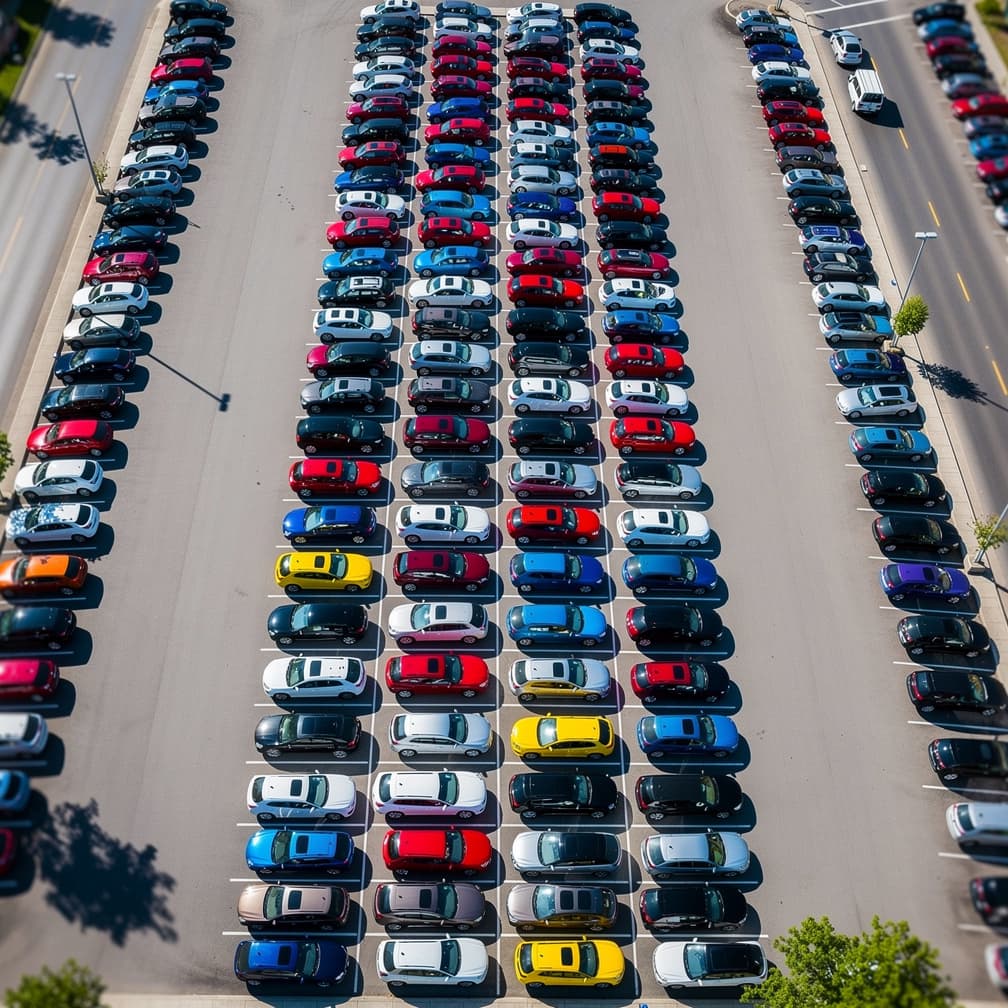
Utah lot exposure often turns on where inventory spends the week, not just where your sign is mounted. A dealership may keep front line units at the retail address, shift overflow vehicles to a secondary yard, send fresh purchases through a reconditioning location, and hold a few units indoors while title work or repairs are pending. Those operating details shape what you need to review: location schedules, reporting requirements, and any conditions tied to off premises storage.
In Utah, weather and terrain can change the loss picture quickly from one part of your market to another. It is worth checking whether your policy language treats all scheduled locations the same way and whether temporary movement between them stays inside normal operations. If you buy at auction, move units over mountain corridors, or store inventory at a separate lot during busy periods, ask for those patterns to be discussed in writing before the policy is issued.
You should also review how the policy handles dealer plates, employee access, and customer handling around the lot. A practical coverage review looks at who can move vehicles, where keys are stored after hours, whether service or detail vendors have access, and how test drive procedures are documented. Those controls do not replace coverage, but they often shape how a claim is investigated.
If you are comparing forms or endorsements, read Utah specific notices carefully. For example, Utah typically requires a 10 day cancellation notice for nonpayment and a 30 day notice for other reasons, and your policy may include state endorsements addressing hail or weather exclusions that differ from neighboring states. Those notice periods matter because they affect how much runway you have to replace coverage if your policy is dropped. Ask your agent to explain any state tailored language before you sign.
Coverage Included

Weather Damage
Covers hail, wind, flood, and storm damage to lot inventory.
Theft Protection
Covers vehicles stolen from your lot.

Fire Damage
Covers fire and explosion damage to inventory vehicles.

Vandalism
Covers intentional damage to vehicles on your lot.
Test Drive Coverage
Covers vehicles during customer and employee test drives.
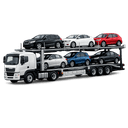
Transit Coverage
Covers vehicles being moved between lot locations.
Industries & Insurance Needs in Provo
Utah County has 17,057 business establishments, with professional, scientific, and technical services at 16.6%, construction at 13.5%, and retail trade at 12.2% of establishments. That mix matters for a local dealer because it points to a buyer base with varied vehicle use, from commuter cars for office workers to pickups and vans that support jobsite and retail activity. Your inventory profile, and the way an underwriter views it, can change if your lot leans heavily toward work vehicles, higher-mileage trades, or mixed-use units that move between personal and business demand.
For insurance buying, that means your submission should describe the kinds of vehicles you actually stock, not just the total value on the lot. If you regularly carry trucks, cargo vans, or units that appeal to contractors and small business owners, note that clearly and keep acquisition and storage records current. A more precise inventory story can make the quote review more useful than a generic schedule built around passenger autos alone.
What Affects Dealer Open Lot Rates in Provo
Cost pressure here is not just about the vehicles on the lot. It is also about how quickly a loss would interrupt sales in a market where household budgets can be tighter. Provo's median household income is $62,800, so many dealers are selling into a customer base that may shop payments closely, compare units longer, and push inventory to sit on the lot before it turns. If a theft, hail event, or fire takes out several vehicles, the hit is not only the property loss, it is the lost selling time while you replace inventory and rebuild momentum.
That is why a quote review should go beyond total inventory value. Ask how the policy treats peak inventory periods, recently acquired units waiting to be processed, and any vehicles stored away from the main lot. If your operation carries older units longer or relies on a narrower cash cushion between purchases and sales, review deductibles and reporting expectations carefully before binding coverage.
What Makes Provo Different
The main difference here is market tightness. In a smaller city, dealer open lot placement often depends less on broad shopping volume and more on whether your file answers underwriter questions quickly and cleanly. You may not have as many realistic carrier options for a modest independent lot, so avoid giving the market a vague submission that invites follow-up and delay.
That local dynamic gets sharper because even outside the largest metro areas, lenders, landlords, vendors, and neighboring businesses are used to asking for organized proof of coverage before they extend terms, approve space, or allow shared access arrangements. If you use overflow parking, keep units at a recon location, or rotate inventory between addresses, document each setup before you shop. The practical advantage is simple: a complete submission can help you get to a usable quote faster, with fewer assumptions baked into the terms.
Our Recommendation for Provo
Start with the operational details that tend to stall smaller-market submissions. List every address where vehicles can sit, even temporarily, and separate your primary lot from overflow, service, and recon locations. Then document who can move units, where keys are stored, how after-hours access is controlled, and whether cameras actually cover the full storage area.
Next, match your insurance request to the inventory you really carry. If your mix includes work trucks, older trades, or units that stay on hand longer, say so up front rather than letting an underwriter infer it from a partial schedule. Review peak inventory months, any borrowed or shared parking arrangements, and how quickly newly acquired vehicles are added to your records. If a landlord, lender, or auction partner has proof-of-coverage requirements, gather those before quoting so the policy review can address them early. That usually produces a more dependable buying decision than comparing certificates after the fact.
Get Dealer Open Lot Insurance in Provo
Enter your ZIP code to compare dealer open lot insurance rates from carriers in Provo, UT.
Business insurance starting at $25/mo
FAQ
Frequently Asked Questions
Provo dealers often face a narrower underwriting market, so the file quality matters more. A carrier may focus closely on storage addresses, key control, and proof requests from business partners before it offers terms you can realistically use.
Provo buyers operate in a market with tighter household budgets, so inventory may sit longer while shoppers compare payments. That makes deductible choice, peak inventory reporting, and loss-of-sales disruption worth reviewing carefully.
Utah County has 17,057 business establishments, with professional services, construction, and retail among the leading sectors. That mix can influence the kinds of vehicles you stock, so your quote should describe whether you carry commuter cars, pickups, or vans.
Provo dealers should disclose any overflow, recon, or temporary storage arrangement before binding. In a tighter market, undisclosed locations can create avoidable underwriting questions right when a lender, landlord, or auction partner wants current proof of coverage.
Utah County dealers should prepare a current inventory valuation, every storage address, key and access procedures, camera details, and any partner insurance requirements. A complete submission usually gets a more usable quote than a bare vehicle count alone.
Utah dealer open lot insurance follows the state's insurance regulatory framework. That matters when you review policy notices, endorsements, and licensing or complaint questions. Ask your agent to explain any Utah specific form language before you sign.
Utah dealers usually should review every place inventory can be stored, including overflow yards and service locations. If vehicles routinely sit at an address that was never discussed during underwriting, you create avoidable uncertainty at claim time.
Utah weather can change the exposure on an outdoor lot quickly, so underwriters often need a clear picture of drainage, snow handling, fencing, and where vehicles are moved during severe conditions. That information helps the quote match your actual operations.
Sources
- 1.U.S. Census Bureau, ACS 5-Year Estimates, table B19013(Provo's median household income is $62,800)
- 2.U.S. Census Bureau, County Business Patterns, Utah County(Utah County has 17,057 business establishments; Professional, scientific, and technical services at 16.6%, construction at 13.5%, and retail trade at 12.2% of establishments)
Updated July 5, 2026