








































Updated July 16, 2026

Inland Marine Insurance in Provo
A contractor leaves laser levels, compact power tools, and boxed finish materials locked in a trailer after a late stop between jobs, then finds the load damaged or missing before the next morning start. That is exactly the kind of moving-property loss this coverage is built to address, especially for businesses that do not keep equipment at one fixed address all day. The real exposure is not just the drive itself but the chain of handoffs between vehicle, trailer, temporary storage, and active job site while crews, vendors, or service teams keep moving. Utah County has 17,057 business establishments, so portable equipment changes hands across a dense local network of offices, retail locations, and construction sites where proof of coverage can matter before work starts or a subcontract is signed. If your operation depends on tools, diagnostic gear, installation materials, or customer property that travels, review how your policy schedules equipment, handles items in transit, and treats property left at temporary locations before a gap catches you off guard.
Inland Marine Insurance Risk Factors in Provo
The local risk is mobility between short stops, not just long-haul transit. A lot of insured property exposure builds during ordinary operating days, loading tools before sunrise, staging materials outside a customer location, or leaving equipment in a trailer while crews move between calls. Utah's broader natural hazard profile matters as background, but the practical buying issue here is whether your inland marine form follows property through those transitions and temporary pauses. If your business uses portable electronics, testing equipment, contractor's tools, or installation materials, ask how the policy treats unattended vehicles, **theft from trailers, water damage, and property stored offsite overnight**. Those details often decide whether a claim fits the form. It is also worth checking whether you need blanket coverage for frequently changing gear or scheduled coverage for higher-value items that would be hard to replace quickly mid-project.
Utah has a moderate climate risk rating. Top hazards: Wildfire (High), Earthquake (High), Drought (Moderate), Winter Storm (Moderate). The state's expected annual loss from natural hazards is $320M, which influences inland marine insurance premiums and may affect coverage availability in high-risk areas.
What Inland Marine Insurance Covers
Inland marine insurance is designed for business property that leaves a fixed address, including tools, equipment, materials, and goods moving between locations. In Utah, that can mean a contractor's trailer parked at a job site in Salt Lake County, installation materials stored temporarily in Provo, or mobile business property carried to customer locations in St. George or Ogden. Your policy can be tailored to match where your property is located, how long it stays offsite, and whether it is in temporary storage, on a job site, or actively being transported.
The main coverages commonly discussed for Utah businesses are tools and equipment, goods in transit, contractors equipment, installation floater, and builders risk. For Utah businesses, this coverage is especially relevant where work sites change frequently and where weather, wildfire exposure, and earthquake activity can affect materials and equipment in transit or staged near a project.
Utah does not have a state-mandated inland marine minimum, but coverage requirements may vary by industry and business size, and the Utah Insurance Department regulates the market. Exclusions and endorsements vary, so the policy should match your operations.
Coverage Included
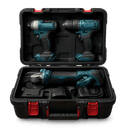
Tools & Equipment
Can help repair or replace hand tools, power tools, and gear that are stolen or damaged on the job or in transit.

Goods in Transit
May cover products, materials, and merchandise while they are being shipped or hauled between locations in your care.
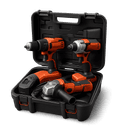
Contractors Equipment
Typically covers heavy machinery like excavators, loaders, and generators against theft or damage at job sites and between them.

Installation Floater
Can help cover materials and fixtures from the moment you buy them until they are installed and accepted at a project.
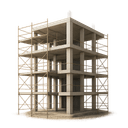
Builders Risk
May cover a structure under construction, along with materials on site, against damage from fire, wind, theft, and vandalism.
Inland Marine Insurance Cost in Provo
Average Cost in Utah
$20 - $90
per month
Businesses in Utah typically see inland marine insurance premiums of $20 - $90 per month, which tends to run 8% below the national range of $20 - $100 per month.
- Total insured value of the scheduled property
- Type and age of the equipment
- Where it is stored and how far it travels
- Jobsite security and theft prevention
- Per-item limits and deductibles
- Prior theft and in-transit losses
Contact CPK Insurance for a personalized quote.
Prices shown are general estimates, not guaranteed rates or quotes. Your actual premium will depend on the insurer, coverage selected, business details, location, claims history, and other underwriting factors. Learn about our pricing methodology.
In Utah, inland marine insurance cost is shaped by the state's average premium range starting at $20 to $90 per month, which is below the national range of $20 to $100. Utah pricing can sit somewhat lower than the national snapshot, but your actual premium depends on your exact risk profile. Factors include coverage limits and deductibles, claims history, location, industry or risk profile, and policy endorsements.
The state has a large field of insurance companies competing for business, which means carriers may price similar risks differently. That competition can matter for a contractor in Salt Lake City, a small retailer in Provo, or a specialty installer working across Davis, Utah, and Weber counties. At the same time, Utah's risk profile includes high wildfire and earthquake exposure, moderate winter storm and drought risk, and recent disaster activity such as flash flooding, mudslides, severe winter storms, and earthquake damage. Those conditions can influence how a carrier views storage locations, transit routes, and temporary job-site exposure.
Because Utah's market is dominated by small businesses, many policies are built for smaller operations with portable equipment rather than large fleets of stationary assets. If your business uses installation crews, contractor trailers, or materials that move from warehouse to job site, you may see different pricing than a business with occasional offsite property only.
Industries & Insurance Needs in Provo
County industry mix changes who should look closely at this coverage. In Utah County, the leading sectors by establishment share are professional, scientific, and technical services at 16.6%, construction at 13.5%, and retail trade at 12.2%, so a large share of local businesses either move specialized equipment, install materials at customer locations, or carry inventory and displays away from a primary premises. That matters because inland marine is often less about a warehouse full of stock and more about the property that leaves the building to earn revenue. If you run a field service firm, contractor operation, or retail business that takes merchandise to events, deliveries, or temporary setups, ask for a quote built around what actually travels, who has custody of it, and where it sits between stops. That is usually more useful than assuming a standard property policy follows everything once it leaves your address.
What Makes Provo Different
What changes the calculus here is how much of your business happens in motion. Many local companies operate through appointments, installations, site visits, temporary work areas, and shared responsibility for property in transit. That creates more moments where equipment is away from the insured premises but not yet at a permanent destination, which is exactly where standard property language tends to fall short. The operational question that matters is simple: where your property sits during the workday, who controls it, and whether your policy language actually matches those movements. A contractor, AV installer, surveyor, repair technician, or retailer doing pop-up or delivery work can all have the same blind spot, property that is revenue-critical but regularly outside the building. Map your equipment flow from storage to vehicle to site to overnight staging, then ask for terms that follow those handoffs rather than assuming a premises-based policy will protect you.
Our Recommendation for Provo
Start with a property list that reflects how you actually work. Separate small hand tools from higher-value items like testing devices, specialty equipment, tablets, cameras, or leased gear, because those often need different treatment in a quote. If your crews leave materials or equipment in vehicles or trailers between stops, ask specifically how those situations are handled and what security conditions apply. If you serve clients at homes, offices, or job sites, review whether customer property in your care should be addressed as well. For businesses with frequent equipment turnover, blanket coverage may be easier to maintain. For expensive, identifiable items, scheduled coverage may produce a cleaner claim discussion. If budget is tight, that can be a real issue in a city where median household income is $62,800, so a targeted quote on your most revenue-critical gear often makes more sense than broad protection you may never fully use. Prioritize the items that would interrupt revenue fastest if lost, stolen, or damaged and quote those first.
Get Inland Marine Insurance in Provo
Enter your ZIP code to compare inland marine insurance rates from carriers in Provo, UT.
Business insurance starting at $25/mo
FAQ
Frequently Asked Questions
Provo service businesses often carry tools, electronics, and materials between customer locations, so the real question is whether your policy follows property outside your walls. Do not assume a standard property policy travels with those items. Check transit, temporary storage, and trailer-related terms before you need them.
Utah County has a dense business base, and that density means local work frequently involves subcontractors, site visits, and equipment moving between locations. Your policy needs to address property in transit, at temporary sites, and during overnight staging, because those are the moments when gaps tend to surface.
Provo businesses with higher-value portable items, like diagnostic gear, specialty tools, cameras, or tablets, should ask about scheduled equipment. When a few items are expensive, easy to identify, and critical to keeping jobs on schedule, listing them by value and description can make a claim faster and less contentious.
Utah County's establishment mix includes construction at 13.5%, and that concentration means many local firms routinely move tools and materials between active sites. Every loading, unloading, temporary storage stop, and mile in a trailer between jobs is a point where damage or theft can occur.
Utah County's leading sectors include professional, scientific, and technical services at 16.6% and retail trade at 12.2%, and those proportions mean portable equipment and off-site inventory are regular features of daily work, not just a contractor concern. If revenue depends on portable equipment, displays, or inventory off premises, review your coverage before a loss reveals the gap.
It can help cover business property that is in transit, at a job site, or in temporary storage, including tools, equipment, building materials, and other mobile property used by Utah contractors and installers.
It is designed to follow covered property away from a fixed business location, so it can address items kept at Utah job sites or temporary storage locations when the policy form and endorsements include that exposure.
Contractors, electricians, plumbers, landscapers, and other businesses that regularly move portable tools or machinery across Salt Lake City, Provo, Ogden, St. George, and nearby areas are common candidates.
Sources
- 1.U.S. Census Bureau, County Business Patterns, Utah County(In Utah County, there are 17,057 business establishments, so portable equipment changes hands across a dense local network of offices, retail locations, and construction sites.; In Utah County, the leading sectors by establishment share are professional, scientific, and technical services at 16.6%, construction at 13.5%, and retail trade at 12.2%, so a large share of local businesses either move specialized equipment, install materials at customer locations, or carry inventory and displays away from a primary premises.)
- 2.U.S. Census Bureau, ACS 5-Year Estimates, table B19013(If budget is tight, that can be a real issue in a city where median household income is $62,800, so it helps to prioritize the items that would interrupt revenue fastest if lost, stolen, or damaged and quote those first.)
Updated July 16, 2026





