







































Updated July 16, 2026

Builders Risk Insurance in Salt Lake City
Salt Lake City's property values and project mix can push you to define insured value, soft costs, and responsibility between owner and contractor more carefully before work starts. The real question is usually not whether a policy exists, but how precisely it matches your job budget and the parties involved. With a median home value of $495,700, even a modest custom home or renovation can put a substantial amount of materials and work in place at risk, so setting insured value too low could leave you paying out of pocket for a significant share of replacement costs. Underinsuring the completed value or leaving ordinance, theft, and delay items vague can create a real gap. The city also sits inside a county with 35,284 business establishments, a concentration that gives you access to competitive bids from lenders, landlords, and trade partners but also means each party may expect clean certificates and clear contract language before releasing funds. Reviewing valuation, named insureds, and reporting expectations before the first delivery reaches the site can prevent disputes when multiple parties hold a financial stake in the project.
Builders Risk Insurance Risk Factors in Salt Lake City
Salt Lake City's top risk factors include Wildfire risk, Drought conditions, Power shutoffs, and Air quality events.
Utah has a moderate climate risk rating. Top hazards: Wildfire (High), Earthquake (High), Drought (Moderate), Winter Storm (Moderate). The state's expected annual loss from natural hazards is $320M, which influences builders risk insurance premiums and may affect coverage availability in high-risk areas.
What Builders Risk Insurance Covers
The useful question is not whether a form exists for the job, but whether the form matches how the project is actually staged. A mountain custom home, a suburban infill addition, and a light commercial shell can all need different attention around stored materials, weather exposure, and who controls the site after hours. You should review whether the policy is written only for the structure in place or whether it also contemplates materials waiting to be installed, items in transit, temporary structures, and certain soft costs if a covered loss pushes the completion date. Soft costs are the additional loan interest, real estate taxes, and overhead you keep paying while the project sits unfinished.
Snow load, wind-driven damage, wildfire exposure, and water entering an unfinished structure can all create disputes if the policy terms, exclusions, and protective conditions are not read against the actual job. If the project sits in a more remote area, ask how the insurer wants materials secured, how vacancy or unattended-site conditions apply, and whether fencing, lighting, or locked storage affect underwriting.
Coverage Included

Structure Coverage
Covers the building or structure under construction.

Materials on Site
Covers building materials stored at the construction site.

Materials in Transit
Covers materials being transported to the job site.
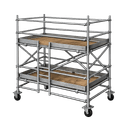
Temporary Structures
Covers scaffolding, fencing, and temporary buildings.

Soft Costs
Covers additional expenses from construction delays due to covered losses.

Equipment Coverage
Covers permanently installed fixtures and equipment.
Industries & Insurance Needs in Salt Lake City
Salt Lake County's business mix changes how builders risk gets reviewed on local jobs. Professional, scientific, and technical services account for 14.8% of county establishments, construction accounts for 11.6%, and health care and social assistance accounts for 10.5%, so a lot of projects here involve architects, engineers, tenant improvement work, medical office build-outs, and contractor coordination rather than only ground-up residential construction. That matters because the insurance question often turns on who is carrying the financial interest at each phase, whether plans and specifications need to be scheduled, and whether temporary structures, stored materials, or installation exposures sit with the owner, general contractor, or a subcontractor. On a commercial interior project or a phased renovation, you may need tighter language around existing structure, partial occupancy, and handoff points than you would on a simple detached home build. Ask for the quote to follow the actual contract structure, not a generic project description.
What Makes Salt Lake City Different
Property value concentration is the main thing that changes the calculus here. Salt Lake City's median household income is $74,925, and higher local incomes often correlate with upgraded finish selections that cost more to replace after a loss. The practical effect is that small valuation mistakes can become expensive fast. If the budget rises after design changes, if owner-supplied materials are left out, or if a remodel uncovers work that expands the scope, the policy you bound at the start may no longer match the exposure on site. That is why local buyers usually benefit from treating builders risk as a live project document. Review the completed value, soft cost needs, and who should be named on the policy each time the contract amount, lender package, or construction timeline changes.
Our Recommendation for Salt Lake City
Start with the contract stack, not the application. Ask who is responsible for work in place, who buys materials, whether any owner-furnished items need to be included, and when risk transfers from one party to another. Then match your quote to that paper trail. When the job is a higher-value home, addition, or tenant improvement, verify that the completed value reflects current bids and change orders rather than an early estimate. When design professionals, lenders, or multiple entities are involved, confirm the named insureds and any additional interests before closing or mobilization. For remodels, ask specifically how existing structure, partial occupancy, and theft of stored materials are handled. Getting these answers in writing before a loss occurs can make the difference between a paid claim and a denied one. Before you bind, compare the policy term against the real construction schedule and request a clear process for extending coverage if the job runs long.
Get Builders Risk Insurance in Salt Lake City
Enter your ZIP code to compare builders risk insurance rates from carriers in Salt Lake City, UT.
Business insurance starting at $25/mo
FAQ
Frequently Asked Questions
Salt Lake City projects often involve higher property values, so lenders tend to verify completed value, draw timing, and who is insured before releasing funds.
Remodels usually work best when the policy follows the contract. If the owner, general contractor, and lender all have a financial interest, the named insured structure should reflect that before demolition or material delivery starts.
Salt Lake County's mix can shape your project. With 14.8% of establishments in professional, scientific, and technical services and 11.6% in construction, many jobs involve architects, engineers, and phased contractor coordination. That concentration means your policy may need to account for multiple design professionals and trade partners on site at once.
Custom home builds should be checked for completed value, owner-supplied materials, and change-order handling. Higher-end finish selections and scope upgrades can shift the insured value during the project.
A dense network of lenders, landlords, design firms, and trade partners operates in this market. Each party may require specific certificate language and defined responsibilities before approving your project to proceed.
Utah uses the Utah Insurance Department as the state insurance regulator. That gives you a place to verify licensing, review consumer resources, and confirm you are dealing with a properly regulated insurance transaction before you bind coverage.
Utah home builds often warrant a builders risk review once financing, contracts, and the construction schedule are taking shape. The key issue is who carries the risk for materials, work in progress, and delays before the home is complete.
Utah mountain and rural projects can be underwritten differently because access, weather, and site security may affect both loss prevention and claim handling. You should describe storage, fencing, water controls, and delivery patterns in detail when requesting quotes.
Sources
- 1.U.S. Census Bureau, ACS 5-Year Estimates, table B25077(Salt Lake City's median home value is $495,700.)
- 2.U.S. Census Bureau, County Business Patterns, Salt Lake County(Salt Lake County has 35,284 business establishments.; Salt Lake County's leading sectors by establishment share are professional, scientific, and technical services at 14.8%, construction at 11.6%, and health care and social assistance at 10.5%.)
- 3.U.S. Census Bureau, ACS 5-Year Estimates, table B19013(Salt Lake City's median household income is $74,925.)
Updated July 16, 2026





