








































Updated July 5, 2026

Commercial Truck Insurance in Salt Lake City
Construction is one of the clearest local demand drivers for trucking here. In Salt Lake County, construction accounts for 11.6% of business establishments, so many truck operators spend the week moving equipment, materials, debris, or scheduled deliveries between active jobs, suppliers, and customer sites. That changes how you should review commercial truck insurance in Salt Lake City. A dump truck, flatbed, box truck, or service truck working short urban runs can face a very different loss pattern than a long haul unit that mostly stays on the interstate. You may need to look harder at hired and non-owned auto, loading and unloading exposures, trailer interchange, and whether your policy language fits subcontracted work or mixed-use fleets. The county also has 35,284 business establishments, so proof of coverage often matters before a contract starts, a site access requirement is approved, or a vendor relationship moves forward. If your trucks support contractors, medical suppliers, or professional service clients with time-sensitive deliveries, ask for a quote built around your actual radius, vehicle schedule, cargo, and stop frequency.
Commercial Truck Insurance Risk Factors in Salt Lake City
Salt Lake City's top risk factors include Wildfire risk, Drought conditions, Power shutoffs, and Air quality events.
Utah has a moderate climate risk rating. Top hazards: Wildfire (High), Earthquake (High), Drought (Moderate), Winter Storm (Moderate). The state's expected annual loss from natural hazards is $320M, which influences commercial truck insurance premiums and may affect coverage availability in high-risk areas.
What Commercial Truck Insurance Covers
Commercial truck insurance in Utah is built around how your trucks operate, not just what they are. The core policy can include motor carrier liability coverage for bodily injury and property damage tied to freight operations, physical damage coverage for collision and other direct loss to the unit, cargo insurance for freight you are transporting, trailer interchange, bobtail coverage, and non-trucking liability. Utah does not add a separate state-specific truck insurance mandate here, but businesses must still align coverage with Utah commercial auto minimums and with federal filing or shipper requirements when those apply. That matters because many trucking contracts require limits above the minimums, especially for general freight and higher-value loads. A local dump truck, a refrigerated truck, and a long-haul tractor may need different endorsements and deductibles. In Utah, where property crime and motor vehicle theft are elevated and winter storms and wildfire are part of the risk picture, exclusions and deductibles become especially important. Cargo coverage usually applies only while freight is in transit and only up to the policy's stated limits, while bobtail and non-trucking liability are designed for off-dispatch or personal-use situations rather than revenue hauling.
Coverage Included

Motor Carrier Liability
Can help cover injuries and property damage your truck causes to others, a coverage federal regulators require most for-hire carriers to maintain.

Physical Damage
Can help pay to repair or replace your own truck after an accident, fire, theft, or vandalism.
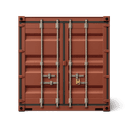
Cargo Coverage
May pay for damage to or theft of the freight you are hauling while it is in your care.
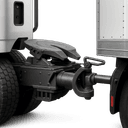
Trailer Interchange
Can help cover damage to trailers you haul under an interchange agreement but do not own.

Bobtail Coverage
May provide liability protection when you drive your tractor without a trailer attached, such as after dropping off a load.

Non-Trucking Liability
Can help cover accidents that happen when you use your truck for personal errands rather than dispatched work.
Commercial Truck Insurance Cost in Salt Lake City
Average Cost in Utah
$420 - $1,025
per month
Businesses in Utah typically see commercial truck insurance premiums of $420 - $1,025 per month, which tends to run 5% below the national range of $400 - $1,125 per month.
- Radius of operation
- Commodities hauled and cargo value
- Number and value of power units
- Driver motor vehicle records and CDL experience
- DOT safety record, inspections, and FMCSA scores
- Liability limits and physical damage deductibles
Contact CPK Insurance for a personalized quote.
Prices shown are general estimates, not guaranteed rates or quotes. Your actual premium will depend on the insurer, coverage selected, business details, location, claims history, and other underwriting factors. Learn about our pricing methodology.
For Utah trucking operations, monthly cost depends on coverage limits, deductibles, claims history, location, industry or risk profile, and policy endorsements. Utah's premium index of 94 means premiums here run slightly below the national average. In practical terms, a typical Utah trucking account may price roughly 6 percent below a comparable operation in a state indexed at 100. A competitive field of carriers gives you room to compare, but competition does not erase the effect of route density, freight type, and loss history. A truck operating around Salt Lake City, Ogden, or other higher-traffic corridors can look different from a rural local hauler because accident exposure, theft risk, and weather exposure are not the same. The state's 2023 crash data also shows 62,000 total crashes. That volume can pressure claims frequency, which may translate into stricter underwriting or higher premiums for carriers operating in dense corridors. Utah also shows an average claim cost of $19,399. When a single loss runs near that figure, a higher deductible can keep premium costs manageable, but you should confirm your coverage limits are sufficient to handle a severe loss without threatening your operation. Cargo value matters too, since higher-value freight usually needs higher limits. Endorsements such as trailer interchange, bobtail coverage, or non-trucking liability can add cost, but they also change how the policy responds.
What Makes Salt Lake City Different
Construction-driven local routing is the main thing that changes the buying calculus here. In many markets, truck insurance is reviewed around highway mileage first. Around Salt Lake City, a lot of exposure can come from repeated short trips, backing, loading areas, tight jobsite access, and drivers moving between several stops in one day. That matters because a policy built for simple point-to-point hauling may miss how your operation really works. If your trucks serve contractors, suppliers, or service businesses, review whether your classifications, garaging, operating radius, and driver schedules match daily reality. Salt Lake County's business mix also includes professional, scientific, and technical services at 14.8% of establishments and health care and social assistance at 10.5%, so some fleets are supporting clients that expect punctual deliveries, clean certificates, and clear vendor documentation. That is a good reason to request policy documents and endorsements that fit contract review, not just a low initial quote.
Our Recommendation for Salt Lake City
Start with your dispatch pattern, not just your truck list. If one unit spends most of its week on construction support, another handles scheduled deliveries, and another occasionally pulls a borrowed trailer, those differences should be visible in the quote request. Ask your agent to review vehicle use, operating radius, driver experience, cargo type, and whether any customer contracts require specific additional insured, waiver, or certificate wording. If your customer base includes businesses serving higher-income households, remember that Salt Lake City median household income is $74,925, so missed appointments, property damage concerns, and documentation expectations can be less forgiving. That does not automatically change every premium, but it does change how carefully you should review limits, deductibles, and downtime planning. Before you bind, compare the policy against your top routes, your busiest season, and the contracts that would be hardest to replace if a certificate problem delays work.
Get Commercial Truck Insurance in Salt Lake City
Enter your ZIP code to compare commercial truck insurance rates from carriers in Salt Lake City, UT.
Business insurance starting at $25/mo
FAQ
Frequently Asked Questions
Salt Lake City area contractors often want certificates early because Salt Lake County has 35,284 business establishments, which means crowded vendor networks and formal onboarding. If you bid jobs or deliver to active sites, ask for certificate turnaround and endorsement timing before you bind.
Salt Lake City short-route trucking can change what you review because repeated stops, backing, loading, and jobsite access create a different exposure than steady highway miles. Ask for classifications and radius details that match your actual dispatch pattern.
Salt Lake County construction matters because it represents 11.6% of establishments, so many trucks support jobsites, suppliers, and debris runs. If that is your book of business, review loading, unloading, trailer use, and contract-driven insurance requirements carefully.
Salt Lake City delivery fleets often see stricter paperwork expectations because county business mix includes professional, scientific, and technical services at 14.8% and health care and social assistance at 10.5%. If you serve those clients, confirm certificate wording and documentation workflows.
It can combine motor carrier liability coverage, physical damage coverage, cargo insurance, trailer interchange, bobtail coverage, and non-trucking liability, depending on how your Utah operation runs.
Utah businesses must work within the Utah Insurance Department's rules, the state's commercial auto minimums of $30,000 per person, $65,000 per accident, and $25,000 for property damage (raised effective 2025), and any federal or shipper limits that apply to the freight being hauled.
The actual quote depends on limits, deductibles, claims history, location, and endorsements. Your final price varies by routes, cargo, and driver records, so accurate details produce the most reliable pricing.
If you haul freight, motor carrier liability coverage is the core protection. Cargo coverage matters if you are responsible for goods in transit, and physical damage coverage matters if you want protection for the truck itself.
Sources
- 1.U.S. Census Bureau, County Business Patterns, Salt Lake County(In Salt Lake County, construction accounts for 11.6% of business establishments.; The county also has 35,284 business establishments.; Salt Lake County's business mix includes professional, scientific, and technical services at 14.8% of establishments and health care and social assistance at 10.5%.)
- 2.U.S. Census Bureau, ACS 5-Year Estimates, table B19013(Salt Lake City median household income is $74,925.)
Updated July 5, 2026





