Updated July 16, 2026

Dealer Open Lot Insurance in Salt Lake City
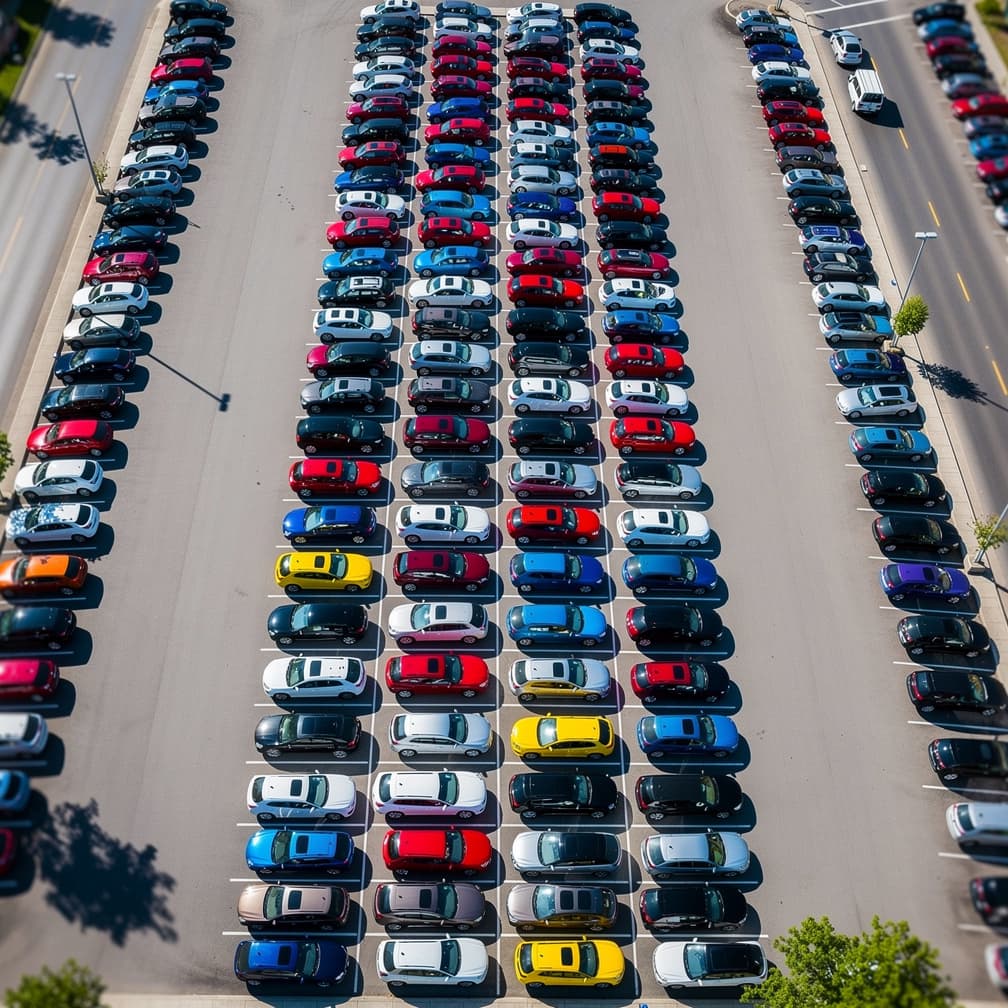
Professional, scientific, and technical services drive the economy around Salt Lake City, with construction and health care also claiming a large share of local establishments. You have buyers who need a quick replacement vehicle, contractors who need work trucks back in service, and service businesses that expect fast turnaround before they commit. Your review should focus on how quickly units cycle through the lot, where overflow inventory sits when space gets tight, and whether your controls still work when staff juggle test drives, vendor pickups, and after-hours drop-offs. If your operation relies on side streets, shared commercial access, or temporary staging near recon or detail partners, your policy should match those real storage and movement patterns, not just your main sales address.
Dealer Open Lot Insurance Risk Factors in Salt Lake City
Salt Lake City's top risk factors include Wildfire risk, Drought conditions, Power shutoffs, and Air quality events.
Utah has a moderate climate risk rating. Top hazards: Wildfire (High), Earthquake (High), Drought (Moderate), Winter Storm (Moderate). The state's expected annual loss from natural hazards is $320M, which influences dealer open lot insurance premiums and may affect coverage availability in high-risk areas.
What Dealer Open Lot Insurance Covers
Utah lot exposure often turns on where inventory spends the week, not just where your sign is mounted. A dealership may keep front line units at the retail address, shift overflow vehicles to a secondary yard, send fresh purchases through a reconditioning location, and hold a few units indoors while title work or repairs are pending. Those operating details shape what you need to review: location schedules, reporting requirements, and any conditions tied to off premises storage.
In Utah, weather and terrain can change the loss picture quickly from one part of your market to another. It is worth checking whether your policy language treats all scheduled locations the same way and whether temporary movement between them stays inside normal operations. If you buy at auction, move units over mountain corridors, or store inventory at a separate lot during busy periods, ask for those patterns to be discussed in writing before the policy is issued.
You should also review how the policy handles dealer plates, employee access, and customer handling around the lot. A practical coverage review looks at who can move vehicles, where keys are stored after hours, whether service or detail vendors have access, and how test drive procedures are documented. Those controls do not replace coverage, but they often shape how a claim is investigated.
If you are comparing forms or endorsements, read Utah specific notices carefully. For example, Utah typically requires a 10 day cancellation notice for nonpayment and a 30 day notice for other reasons, and your policy may include state endorsements addressing hail or weather exclusions that differ from neighboring states. Those notice periods matter because they affect how much runway you have to replace coverage if your policy is dropped. Ask your agent to explain any state tailored language before you sign.
Coverage Included

Weather Damage
Covers hail, wind, flood, and storm damage to lot inventory.

Theft Protection
Covers vehicles stolen from your lot.

Fire Damage
Covers fire and explosion damage to inventory vehicles.

Vandalism
Covers intentional damage to vehicles on your lot.

Test Drive Coverage
Covers vehicles during customer and employee test drives.

Transit Coverage
Covers vehicles being moved between lot locations.
What Makes Salt Lake City Different
Salt Lake County reports 35,284 business establishments, meaning nearby commercial lots fill up fast and your inventory may spill into less secure areas. Open lot exposure covers more than the main row of sale units, extending to where vehicles wait before recon, where trade-ins sit overnight, and how accurately your policy reflects any secondary storage tied to normal operations. In a denser commercial setting, a small mismatch between your actual storage pattern and the locations shown to the underwriter can become a problem at claim time. Before you request terms, gather your location list, the reporting method for newly acquired units, and notes on lighting, fencing, key control, and after-hours access.
Our Recommendation for Salt Lake City
If units move between the front line, a back lot, a service partner, and temporary overflow parking, show that flow clearly in the submission so the quote reflects real exposure. In your internal reporting, separate high-value inventory from older trade-ins, because a mixed lot can hide where the largest concentration risk sits. Households here have a median income of $74,925, which means buyers expect clean, well-prepped vehicles and fast delivery, pushing inventory to turn quickly and leading staff to cut across normal routines unless procedures are written down. When higher average vehicle values sit on the lot, even a single overnight theft can erase months of margin.
Get Dealer Open Lot Insurance in Salt Lake City
Enter your ZIP code to compare dealer open lot insurance rates from carriers in Salt Lake City, UT.
Business insurance starting at $25/mo
FAQ
Frequently Asked Questions
Yes. With 35,284 business establishments in the county, underwriters expect a clear picture of where inventory is stored, how often it moves, and who can access it after hours. That density means neighboring properties compete for the same parking and staging space, raising the odds your vehicles end up somewhere unlisted on your policy.
Claims review often turns on where a vehicle was actually kept. If your inventory shifts between the main lot and nearby staging space, document those patterns before binding to avoid a denial tied to an undisclosed location.
Professional, scientific, and technical services account for 14.8% of county establishments, construction 11.6%, and health care and social assistance 10.5%. That concentration of service and contractor businesses means underwriters may ask about your inventory mix, since work trucks and fleet replacements carry different theft and usage exposure than passenger cars.
The median household income of $74,925 supports faster inventory turnover and higher average vehicle values. If units turn quickly, review newly acquired auto reporting, key control, and where sold vehicles wait before pickup. Request a quote through our marketplace today.
Utah dealer open lot insurance follows the state's insurance regulatory framework. That matters when you review policy notices, endorsements, and licensing or complaint questions. Ask your agent to explain any Utah specific form language before you sign.
Utah dealers usually should review every place inventory can be stored, including overflow yards and service locations. If vehicles routinely sit at an address that was never discussed during underwriting, you create avoidable uncertainty at claim time.
Utah weather can change the exposure on an outdoor lot quickly, so underwriters often need a clear picture of drainage, snow handling, fencing, and where vehicles are moved during severe conditions. That information helps the quote match your actual operations.
Your policy may allow inventory storage at a repair or recon site, depending on specific policy terms and underwriter approval. The safer approach is to disclose that arrangement before the policy is issued. Offsite storage that is routine in practice should be part of the underwriting conversation, not an afterthought.
Sources
- 1.U.S. Census Bureau, County Business Patterns, Salt Lake County(Salt Lake County has 35,284 business establishments.; Professional, scientific, and technical services account for 14.8% of establishments in Salt Lake County, construction 11.6%, and health care and social assistance 10.5%.)
- 2.U.S. Census Bureau, ACS 5-Year Estimates, table B19013(Salt Lake City median household income is $74,925.)
Updated July 16, 2026