







































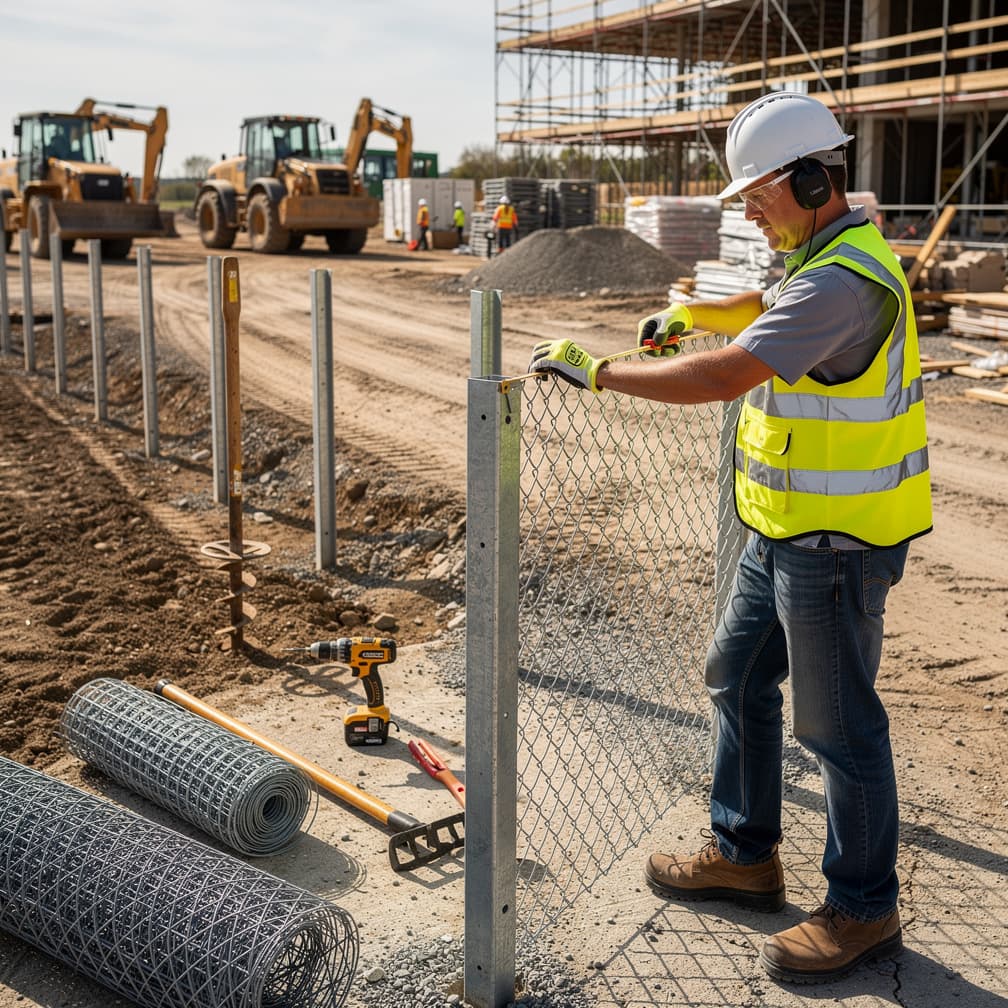

As a fencing contractor in St. George, you are the party who decides where the line goes, and that decision is the one people sue about. The survey pins may be missing, the customer may point confidently at a hedge, and the fence still ends up in the wrong dirt. Removing and resetting a completed run is expensive, and the neighbor's claim over the ground you took is worse. Fencing contractor insurance in St. George exists because that mistake is made by careful people on ordinary jobs. Get the boundary in writing, in the contract, with the customer's name on it, and treat that paper as part of your risk program. Then read the coverage sections below with one question in mind: which of these losses would end your year?
What Makes St. George Different
Word travels in a small market, and the fastest way to lose a St. George bid is to stall on a certificate. Somebody's office manager emails a request, and your answer arrives in hours or the job moves on. Thin markets rarely have a second fence crew waiting, which cuts the other way too. An owner who needs the work done may sign before the paperwork is perfect, and that is a trap. A verbal agreement about who covers the retaining wall is worth nothing when the wall cracks. Put the scope, the boundary, and the exclusions in writing even when the handshake feels sufficient. A St. George contractor working on trust still needs the document that a claim will be read against. Insurance settles the money; the contract settles who owes it.
Local Risk Factors in St. George
Wildfire changes a fence contractor's exposure in ways that have little to do with flames reaching your yard. Smoke and evacuation orders close job sites, crews cannot reach material staged on a lot, and a stalled site holds your tools for as long as the road is shut. Air quality alone can stop outdoor work for days at a time. When access reopens, rebuild demand arrives all at once, and rushing is where the injuries and the boundary mistakes happen. Inland Marine terms about property at a temporary location matter most in the week you cannot get to it, so read them before a St. George season starts. Access restrictions in Utah are not the same thing as physical damage, and that distinction decides whether anything responds at all.
What Coverage Does a Fencing Contractor in St. George Need?
General Liability
The neighbor, the visitor, and the property you were never hired to touch: that is who this line is about. General Liability may respond when a fence lands over a boundary, an auger opens a sprinkler line, or somebody trips near an open hole. Redoing your own defective run is commonly excluded, and that gap surprises people.
Example: A crew sets forty feet of cedar three feet inside the neighbor's yard, and the neighbor demands removal plus damages. Defense and the third-party claim are what a liability form is generally meant to take on.
Workers Compensation
Backs, hands, and knees do the work in this trade, and an employer carries the cost when one gives out. Workers Compensation is built for employee injury, and it typically handles medical care and lost wages while generally limiting an employee's ability to sue you. Rules vary by state, and the Utah Insurance Department publishes the current requirements for employers.
Example: A helper lifting a wet post on uneven ground tears something in his back and misses six weeks. The medical bills and part of the wages he does not earn may fall to this policy rather than to you.
Commercial Auto
Nothing reaches the job without the truck, and personal auto forms commonly exclude business use. Commercial Auto is written for the vehicles, trailers, and hired equipment that haul posts and panels, and it typically addresses injury to others plus damage to the vehicle itself depending on what you buy. Tools inside generally sit on another form.
Example: A gust catches a privacy panel off the trailer on the way to a St. George job and it goes through the windshield behind you. The other driver's injuries and repairs are the kind of loss this policy may take up.
Tools & Equipment (Inland Marine)
Augers, post drivers, compressors, levels, and the saw all live on a trailer rather than in a shop. Inland Marine is meant for property that moves, and it could respond to theft or damage between sites, subject to conditions about locks, attendance, and what you can prove you owned. Wear and tear is not a covered peril.
Example: A trailer gets broken into overnight at a stalled St. George site, and the post driver and compressor are gone by morning. Replacing them quickly is what this coverage is intended to make possible, subject to the deductible.
How Much Does Fencing Contractor Insurance Cost in St. George?
Fencing Contractor Insurance is a bundle of separate policies, priced separately. The ranges below are typical figures for St. George for each line, except workers compensation, which is rated per $100 of payroll; a quote prices each one against your own operations.
| Coverage | Typical range | What moves your price |
|---|---|---|
| General Liability Insurance | $120 - $370 per month | Industry and risk classification, annual revenue, number of employees |
| Workers Compensation Insurance | $0.75 - $2.74 per $100 of payroll | Employee classification codes, total annual payroll, experience modification rate |
| Commercial Auto Insurance | $200 - $550 per month | Fleet size and vehicle types, driver records and experience, coverage limits and deductibles |
| Inland Marine Insurance | $30 - $130 per month | Total insured value of the scheduled property, type and age of the equipment, where it is stored and how far it travels |
Prices shown are general estimates, not guaranteed rates or quotes. Your actual premium will depend on the insurer, coverage selected, business details, location, claims history, and other underwriting factors. Learn about our pricing methodology.
What Are the Insurance Requirements for a Fencing Contractor in St. George?
Workers' comp is generally required once you have your first employee. Utah generally requires employers to carry workers' compensation at that point. Common exemptions include sole proprietors, partners, and LLC members. Confirm current thresholds with your state's workers' compensation agency before you hire.
State auto liability minimums apply to business vehicles. Utah's minimum auto liability limits are $30,000/$65,000/$25,000 (bodily injury per person / per accident / property damage). Contracts and lenders often require more than the state floor.
Where to verify licensing and coverage rules. The Utah Insurance Department publishes consumer guidance and current insurance requirements for Utah businesses. When a contract or lease demands specific wording, the Utah Insurance Department's guidance is the authoritative place to check.
Get Your Fencing Contractor Quote in St. George
Compare rates from multiple carriers. Free quotes, no obligation.
Operating in St. George
- Crews load and unload panels a dozen times a day on a St. George install, and the moment a panel leaves the trailer is the moment two different policies start arguing about whose claim it is.
- A homeowner association can require a specific style, height, or color, and a fence built to the customer's wishes rather than the rules gets torn out at somebody's expense.
- Rain stops a fence job cold, and a stalled site with stacked panels and open holes stays yours all week. A stalled St. George site is an exposure question rather than only a scheduling one.
- The customer who calls in a panic about a leaning fence three seasons later still expects you to answer, and completed work follows you long after the invoice cleared.
How to Buy: Advice for St. George Owners
The two mistakes that generate real claims in this trade are the property line and the buried line. One is solved with a survey and a signature, the other with a locate request and some patience. Neither is an insurance product, and both decide what your coverage costs three years from now. Damage to a sprinkler system, a service line, or a driveway during installation is the everyday claim, and General Liability is the line most likely to be tested by it. Inland Marine will not help with somebody else's driveway, so never let a tool policy stand in for liability. Keep photographs of existing cracks and settling before you dig, because a homeowner's memory improves after a claim. Check the Utah Insurance Department's guidance before deciding what coverage your jobs require. Then compare quotes from participating carriers with an honest description of how deep your St. George work goes.
FAQ
Fencing Contractor Insurance in St. George: FAQ
Payroll broken out by the kind of labor, annual mileage, a vehicle list with drivers, a schedule of the tools you haul, and an honest description of how deep the work goes. Gate operators, stonework, and retaining structures belong in that description even when they are a small share of revenue. Vague inputs get priced defensively, so the effort you spend here comes back as a real comparison.
Flood is commonly excluded from standard property forms, and coverage for it is usually bought separately through a program written for that peril. Water arriving from the ground up gets treated differently from water out of a burst pipe, and that distinction decides claims. If you store cedar, panels, or hardware in a yard that takes on water, ask exactly which forms respond before the season turns.
Yes, and that is the scenario this trade underestimates. The party across the line has no contract with you and no reason to be reasonable, which is why boundary disputes get filed rather than negotiated. Defense costs begin before anyone rules on who was right about the property line. Get the boundary approved in writing by your St. George customer, and keep photographs of the stakes with the job file.
That depends on the carrier and on whether your policy already contains the wording a request names, so nobody should promise you a timeframe. What you can control is the setup: bind before the season, ask about blanket additional-insured wording, and keep the certificate contact current. A St. George job that hangs on paperwork is a job you can lose to whoever answers the email first.
Property you are working on sits in a grey zone, and the answer turns on the form. Damage to a driveway or a lawn during installation may fall inside a liability policy, while damage to the actual thing you were hired to build usually does not. Care, custody, and control language is where these claims live. Photograph existing cracks before you dig, because a homeowner's memory improves after a claim.
Meeting a contract's limit is usually cheaper than losing the contract, and the jump costs less than the first quote suggests because severe claims are rare. The real question is whether a carrier will issue that limit at your payroll and history. Ask before you sign, since a St. George contract binds you whether or not any carrier agrees to the wording it demands.
Sources
- 1.Utah Insurance Department(Utah Insurance Department publishes consumer guidance for insurance buyers.)


