







































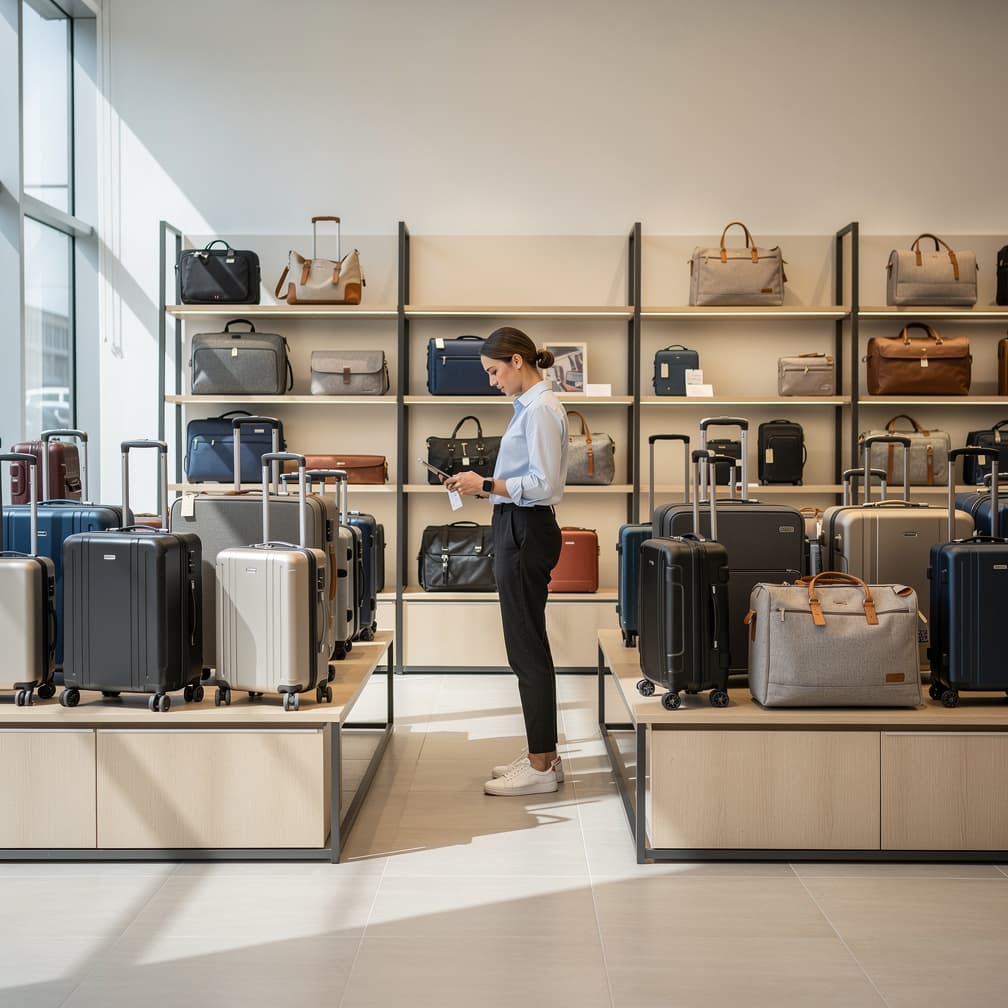

A hard-shell spinner rolls off a display riser and catches a shopper's ankle, and the injury claim that follows arrives at your register, not the building owner's. Luggage store insurance in St. George exists for that aisle: the wet entrance mat, the stack of carry-ons that tips, the back room of merchandise a fire can erase overnight. Certificates get demanded before a lease starts, and the limits behind them decide whether a bad afternoon is an inconvenience or a closure. Theft is the quieter problem, because premium bags leave in ones and twos and the loss only surfaces at inventory. The sections below lay out what luggage stores commonly carry, what the published ranges look like, and where Utah rules enter the picture, so you can compare quotes without guessing.
What Makes St. George Different
Thin markets do not automatically mean cheap coverage, and owners are often surprised by that at renewal. Rate depends on the class, the file, and the appetite of whoever is willing to write it. With fewer businesses across Washington County, fewer carriers bother to compete for the same small book of retail. Less competition can hold offers near the top of a published range rather than the bottom. The lever you still own is the submission itself: complete, accurate, and boring in the best way. Photos of the St. George floor, an alarm certificate, and a clean loss run answer questions early. An underwriter who has to guess prices the guess, and the guess is never in your favor. Send more than you think is necessary and the offers you get back stop looking defensive.
Local Risk Factors in St. George
Wildfire rarely needs to reach a storefront to close it. Smoke enters a building through the same vents that heat it, and a floor of fabric bags holds the smell the way a curtain does, so merchandise that looks perfect becomes unsellable. Ash coats the display glass and the stock behind it. Evacuation orders close a corridor for days whether or not anything burned. Commercial Property may respond to smoke and ash damage as physical loss, though the argument usually turns on proving the goods are genuinely unsalvageable rather than merely aired out. Ask a carrier in Utah how it treats smoke-affected inventory, and ask whether the store in St. George carries any deductible specific to a wildfire event.
What Coverage Does a Luggage Store in St. George Need?
General Liability
Landlords, mall offices, and corporate accounts name this line in their paperwork before anyone else does, because a third party hurt on your floor is the loss they fear most. It can help cover medical costs, defense, and a settlement after a fall beside a display, or a claim tied to a bag you sold that failed later. Damage to your own stock sits elsewhere.
Example: A shopper steps around a stack of carry-ons in St. George, catches a wheel, and lands hard; general liability might answer the medical bills and the lawyer who arrives behind them.
Commercial Property
Rising water and gradual wear sit outside this form; sudden accidental loss is what it is built around. Fire, storm damage, theft, and vandalism affecting the storefront, the fixtures, and the merchandise are the events it typically speaks to, and the income terms inside it address weeks you cannot open. Stock value and building limits drive what it costs.
Example: A pipe lets go above the stockroom overnight and cartons of new cases sit in an inch of water by morning; commercial property could pick up the ruined merchandise and the drying out.
Workers Compensation
Staff who lift hard cases onto high shelves get hurt in ordinary ways: a twisted back, a fall off a step stool, a hand caught in a security gate. This line is meant to handle medical treatment and lost wages after those injuries, and it rates against payroll rather than a flat monthly figure. Whether you must carry it varies by state.
Example: A stockroom hand reaches for a display case above shoulder height and tears a shoulder catching it on the way down; workers compensation is intended to carry the treatment and the missed shifts.
Business Owners Policy
Where standalone policies split liability and property into two files, this package puts them in one for a small retail floor and often prices under the pair. The tradeoff is fixed inner limits: a shop carrying deep stock in premium cases can outgrow the property side quietly. Ask where the sublimit on high-value accessories caps before assuming it fits.
Example: Fire in the unit next door pushes smoke across a St. George sales floor and shuts the doors for a fortnight; a business owners policy may take on both the ruined stock and the lost weeks.
How Much Does Luggage Store Insurance Cost in St. George?
Luggage Store Insurance is a bundle of separate policies, priced separately. The ranges below are typical figures for St. George for each line, except workers compensation, which is rated per $100 of payroll; a quote prices each one against your own operations.
| Coverage | Typical range | What moves your price |
|---|---|---|
| General Liability Insurance | $40 - $100 per month | Industry and risk classification, annual revenue, number of employees |
| Commercial Property Insurance | $60 - $200 per month | Building value and construction type, roof age and condition, fire protection class |
| Workers Compensation Insurance | $0.75 - $2.74 per $100 of payroll | Employee classification codes, total annual payroll, experience modification rate |
| Business Owners Policy Insurance | $55 - $160 per month | Annual revenue and industry class, building and contents values, square footage and building age |
Prices shown are general estimates, not guaranteed rates or quotes. Your actual premium will depend on the insurer, coverage selected, business details, location, claims history, and other underwriting factors. Learn about our pricing methodology.
What Are the Insurance Requirements for a Luggage Store in St. George?
Workers' comp is generally required once you have your first employee. Utah generally requires employers to carry workers' compensation at that point. Common exemptions include sole proprietors, partners, and LLC members. Confirm current thresholds with your state's workers' compensation agency before you hire.
Where to verify licensing and coverage rules. The Utah Insurance Department publishes consumer guidance and current insurance requirements for Utah businesses. When a contract or lease demands specific wording, the Utah Insurance Department's guidance is the authoritative place to check.
Get Your Luggage Store Quote in St. George
Compare rates from multiple carriers. Free quotes, no obligation.
Operating in St. George
- A stockroom hand lifting hard cases all day rates differently than a cashier, so payroll split by role is the record that most moves a workers compensation number.
- Sprinklers above a floor of fabric bags are protection and a water exposure at the same time, and an underwriter asks about both before pricing the building.
- A neighbor's kitchen, laundry, or mechanical room shares your wall and your fire story, and none of it is under your control when the file gets priced.
- A set of floor photos, an alarm certificate, and a current loss run replace an underwriter's guesswork about your St. George store with facts you already have.
How to Buy: Advice for St. George Owners
Start with the loss that would actually end you, not the one that would annoy you. Fire and a long closure sit at that end for a retail floor; a cracked pane sits at the other. Commercial Property is the line built around the building, the fixtures, and the stock, and its income terms are where the closure question gets answered. Ask what triggers the income portion, how long it runs, and whether a partial reopening stops it early. Then check the liability side, because a serious injury claim can run past a limit some lease demanded years ago. A Business Owners Policy bundles the two and might price better than buying them apart, depending on your stock values. The Utah Insurance Department publishes consumer guidance on how business policies are structured, which is worth ten minutes. Bring the same limits to every participating carrier you approach in St. George and the comparison does itself.
FAQ
Luggage Store Insurance in St. George: FAQ
Possibly, and the shape of the claim matters more than its size. A closed claim with no payout reads differently than an open file with an unknown reserve, which underwriters treat harshly. Loss history sits on top of every other rating factor and can undo an otherwise clean submission. Pull your loss run before renewal so you can explain what happened instead of letting the file speak alone.
The income terms inside a Utah property policy are where that gets answered, and they usually require physical damage to the premises before anything starts. A week that is simply slow because nobody wanted to shop is a budgeting problem, not a claim. Ask what triggers the income portion, what waiting period applies, and whether reopening at half capacity ends it early.
Online sales change the picture rather than remove it. There is still stock in a building that can burn or be stolen, and there is still exposure when a bag fails after it ships. What changes is the foot-traffic side, which is where liability rating leans hardest. Tell the carrier the real split between counter sales and shipping, because an undisclosed operation is where coverage arguments start.
Yes, and the exhibit attached to the lease is where that number lives. Landlords set their own conditions, and a leasing office with other tenants waiting has little reason to negotiate the point. Buy to the strictest document you have signed, since one policy has to satisfy all of them at once. A cheaper quote you cannot use is not a saving.
Per-occurrence is the ceiling for one incident, so a single shopper hurt beside a display gets measured against that figure alone. The aggregate is the ceiling for the whole term, and it is the number that runs out quietly. Three moderate fall claims in a single year can exhaust an aggregate while each one sat well under the per-occurrence figure. Ask for both numbers on every quote you compare.
The injury claim is the part that matters, and General Liability is the line built for a third party hurt on your floor. It generally responds whether or not your supplier built the fixture badly, because the claim arrives at your register first. Your carrier might then pursue the manufacturer, which is exactly the right a lease waiver can sign away.
Sources
- 1.Utah Insurance Department(Utah Insurance Department publishes consumer guidance for insurance buyers.)


