







































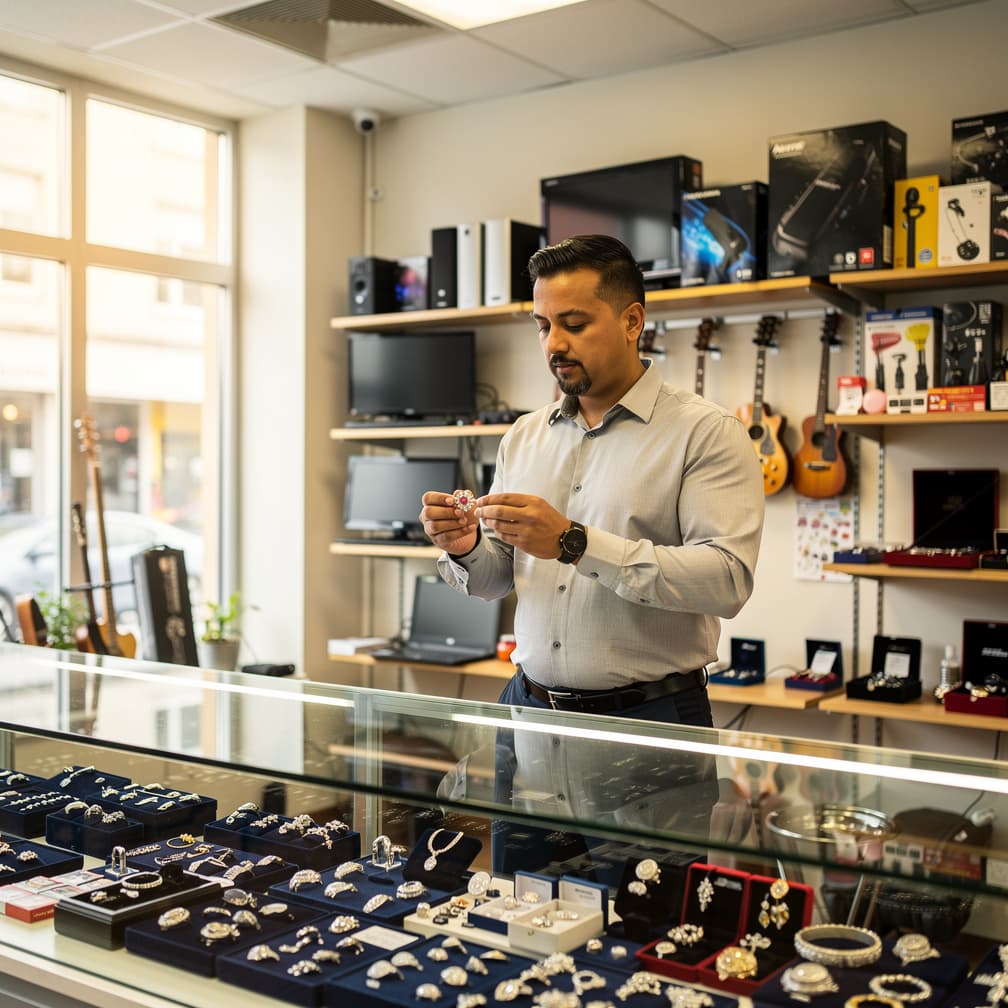

Glass goes first. A brick through the storefront takes the window, the display case under it, and whatever was inside both, and the cleanup outlasts the theft by days. That is the ordinary shape of a claim behind pawn shop insurance in St. George, which is why the building line and the contents line have to be read together. Outside the big metros, one glazier and one alarm technician can serve every shop for miles, so a plywood board-up may hold for a week before real repair begins. Every day the door stays shut, the loan book stops turning and redemptions stop with it. Participating carriers in Utah treat that lost income very differently from one form to the next. Ask about it before you sign, because the broken merchandise is rarely the expensive part.
What Makes St. George Different
Small markets run on relationships, and paperwork still decides who signs a storefront lease. A property owner in St. George can require a certificate, a named endorsement, and a notice period. When one landlord owns half the usable retail on a main street, their form is the form. You will not negotiate it, so price a policy that meets it before you sign anything. The harder problem is that fewer carriers write pawn risks in some parts of Utah. A requirement you cannot meet locally becomes a lease you cannot sign, weeks after the handshake. Check the demand against real quotes early, while there is still time to find another option. That sequence, requirement first and quote second, saves more deals than any negotiating tactic.
Local Risk Factors in St. George
Before a fire season, get your inventory record off the property and somewhere flame cannot reach. Wildfire claims settle on what you can prove existed, and a paper loan ticket file that burns with the shop takes the proof with it. Dated photographs, an exported point-of-sale file, and appraisal notes are the difference between a claim and an argument. Commercial Property may help cover the merchandise and fixtures, and the settlement still depends entirely on documentation. Ask what proof of value a carrier expects for used goods and for property held under loan tickets in St. George. Participating carriers in Utah answer that question differently enough to matter.
What Coverage Does a Pawn Shop in St. George Need?
General Liability
Landlords, alarm vendors, and scrap wholesalers ask about this line by name before they sign anything. It may respond when a customer is hurt in the showroom, or when your operations damage property belonging to someone else, and it typically picks up defense costs too. Injuries to your own staff sit outside it, and so does damage to goods in your care.
Example: A customer catches a heel on a curling entry mat, goes down between two cases, and leaves in an ambulance. General Liability could respond to the medical claim and the defense that follows it.
Commercial Property
A safe cut open overnight, a fire in the back room, a window taken out by flying debris: those losses run through this line. It can help cover the building where you own it, along with fixtures, displays, and the stock you bought. Customer goods held under loan tickets are treated separately and often carry their own sublimit, so read that clause before binding.
Example: Someone forces the rear door after close and empties two jewelry cases. Whether the loss lands inside the theft section depends on the wording, your deductible, and what you can prove was there.
Workers Compensation
Nothing on a liability form answers when your own clerk gets hurt, and that gap is what this line fills. It may help cover medical care and a share of lost wages after a workplace injury, and it generally applies without an argument about fault. Whether you are required to carry it depends on your state and your headcount.
Example: A clerk lifting a heavy toolbox onto a high shelf tears something in a shoulder and misses three weeks behind the counter. Workers Compensation is usually the line that picks up treatment and part of those wages.
Business Owners Policy
Rather than buying property and liability separately, a small counter can fold both into a single form with one renewal date. The convenience is real. The catch is that packages get drafted for general retail, so the sublimit on customer property and the theft wording deserve a slow read before you sign in St. George.
Example: A pipe splits above the ceiling overnight and water reaches two display cases before anyone opens up. A Business Owners Policy might reach the repairs and the ruined fixtures, subject to how the form treats the failure.
How Much Does Pawn Shop Insurance Cost in St. George?
Pawn Shop Insurance is a bundle of separate policies, priced separately. The ranges below are typical figures for St. George for each line, except workers compensation, which is rated per $100 of payroll; a quote prices each one against your own operations.
| Coverage | Typical range | What moves your price |
|---|---|---|
| General Liability Insurance | $75 - $250 per month | Industry and risk classification, annual revenue, number of employees |
| Commercial Property Insurance | $180 - $650 per month | Building value and construction type, roof age and condition, fire protection class |
| Workers Compensation Insurance | $0.75 - $2.74 per $100 of payroll | Employee classification codes, total annual payroll, experience modification rate |
| Business Owners Policy Insurance | $140 - $450 per month | Annual revenue and industry class, building and contents values, square footage and building age |
Prices shown are general estimates, not guaranteed rates or quotes. Your actual premium will depend on the insurer, coverage selected, business details, location, claims history, and other underwriting factors. Learn about our pricing methodology.
What Are the Insurance Requirements for a Pawn Shop in St. George?
Workers' comp is generally required once you have your first employee. Utah generally requires employers to carry workers' compensation at that point. Common exemptions include sole proprietors, partners, and LLC members. Confirm current thresholds with your state's workers' compensation agency before you hire.
Where to verify licensing and coverage rules. The Utah Insurance Department publishes consumer guidance and current insurance requirements for Utah businesses. When a contract or lease demands specific wording, the Utah Insurance Department's guidance is the authoritative place to check.
Get Your Pawn Shop Quote in St. George
Compare rates from multiple carriers. Free quotes, no obligation.
Operating in St. George
- Storefront glass is the easiest thing to break and among the slowest things to replace. A boarded window keeps a shop technically open and practically empty.
- Pledged goods sit on your shelf while the loan runs, and they are not yours until the ticket expires. Forms in Utah care about that ownership line far more than owners do.
- Underwriters in Utah ask for a floor plan more often than owners expect, because where the safe sits relative to the front door is part of the rate.
- An incident report written the same hour is worth more than a memory written a month later. Liability claims arrive slowly and get decided on whatever was recorded early.
How to Buy: Advice for St. George Owners
Walk your own floor with a notebook before you request anything. Where is the entry mat, and does it lie flat? What sits between the door and the first display case? Which cases lock, which stay open during business hours, and who holds keys to the safe? That inventory of physical facts is what an underwriter tries to reconstruct from a form, and handing it over directly usually improves the answer. General Liability responds to what happens on that floor, so the floor is the underwriting. Commercial Property responds to what sits on it, so the values are the underwriting. Underwriters in Utah are working from paper either way. Send the same notes to every participating carrier through CPK and the quotes you get back finally describe the same shop in St. George.
FAQ
Pawn Shop Insurance in St. George: FAQ
Expect questions about annual revenue, payroll by job type, the replacement value of fixtures and displays, peak inventory value, the value of goods held under loan tickets, your safe rating, alarm monitoring, camera retention, and cash handling at close. Loss history for several years comes next. A shop in St. George that hands over documentation rather than estimates tends to get a firmer number, and firmer numbers survive the audit.
In most property forms the deductible applies per occurrence, so one break-in that empties four cases generally means one deductible rather than four. Read it anyway, because sublimits can work differently: property of others or jewelry categories sometimes carry their own limit and occasionally their own deductible. Those details rarely surface on a quote summary. Ask the broker to point at the exact clause before you bind.
Often yes, though the price and the terms may change. A recent theft loss can raise a rate, tighten theft wording, or lead a carrier to require a specific safe rating or alarm certification. What you did afterward matters: documented upgrades and a written close procedure give an underwriter something to weigh against the claim. Participating carriers in Utah read the same loss run very differently, which is the whole reason to compare several.
This is where policy conditions bite. Many property forms carry protective safeguards conditions requiring your alarm and safe to be maintained and in use, and a knowing failure to keep them working can jeopardize a theft claim. If a system fails, document it, report it, and ask what notice the carrier expects. Raise that question before an outage rather than during the argument after one.
Sometimes, and it depends on what the package says about your stock. A Business Owners Policy folds property and liability into one form, which suits a small counter administratively. The risk is that packages are drafted for general retail and may carry a modest default sublimit on customer property. Check that sublimit against the real value of goods you hold during a busy week in St. George. If it falls short, separate policies sized independently may fit better.
Frequently a day or two after the policy binds, though an additional insured endorsement can add time when an underwriter has to review it. Blanket wording removes that wait for every new request afterward. Plan around the lag, since a property manager or an alarm vendor in St. George can hold a sign-off or a service date until the document exists. Ask about issuing timelines before you need one urgently.
Sources
- 1.Utah Insurance Department(Utah Insurance Department publishes consumer guidance for insurance buyers.)


