







































Updated July 16, 2026

Inland Marine Insurance in West Valley City
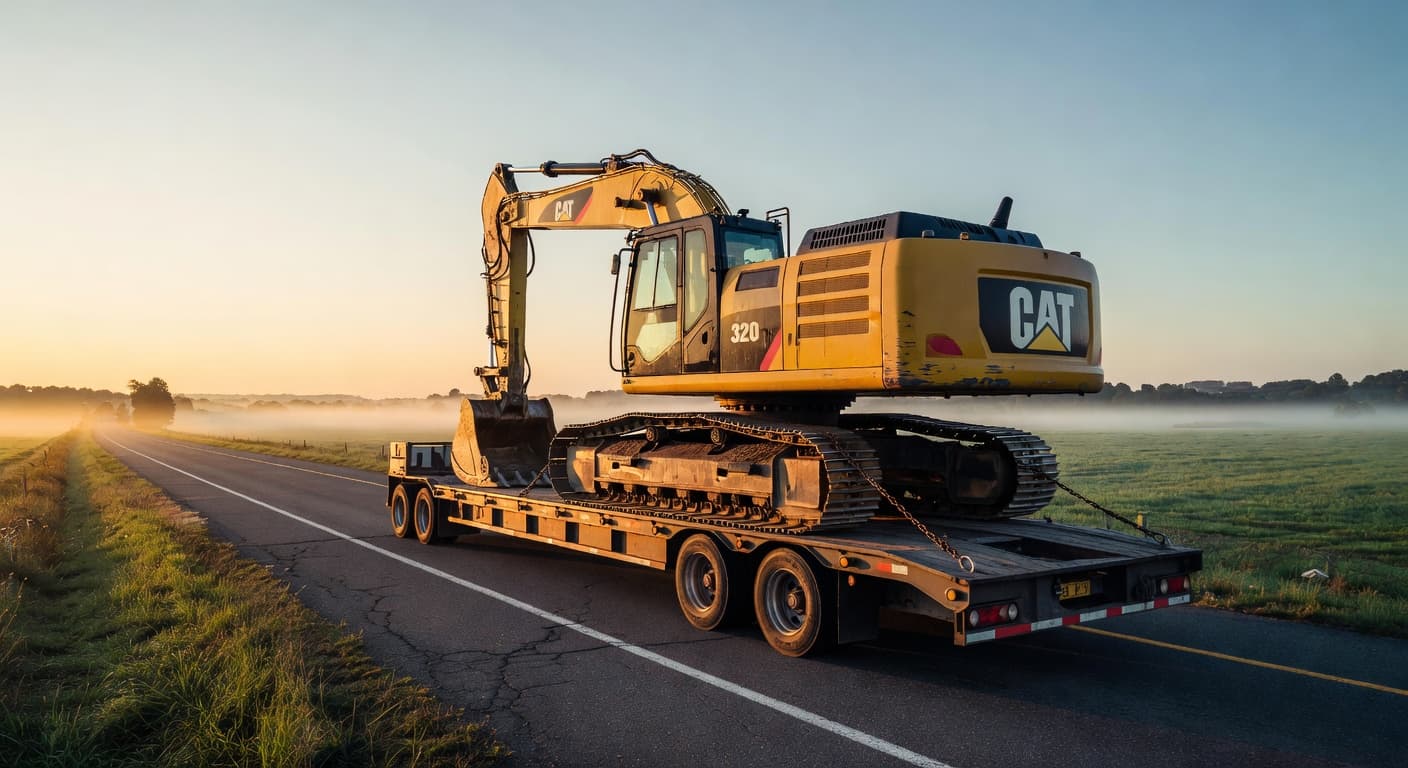
Property managers, general contractors, lenders, and event venues here often want proof that your tools, leased equipment, or customer property are insured before they hand over keys, approve a draw, or let work start. Satisfying that request usually means a certificate that matches how your property actually moves. That could be contractor equipment between remodels, installation materials staged offsite, or mobile gear traveling to customer locations across the valley. A fixed-location property policy is not built around property in transit, at temporary sites, or in someone else's care. Salt Lake County has 35,284 business establishments, so expect more vendor onboarding forms and certificate requests before a job begins. If your operation depends on portable equipment, a policy that schedules the items you cannot easily replace, shows realistic transit and job-site use, and lines up with the certificate language a local manager or project owner is likely to request can help close that gap.
Inland Marine Insurance Risk Factors in West Valley City
West Valley City's top risk factors include Wildfire risk, Drought conditions, Power shutoffs, and Air quality events.
Utah has a moderate climate risk rating. Top hazards: Wildfire (High), Earthquake (High), Drought (Moderate), Winter Storm (Moderate). The state's expected annual loss from natural hazards is $320M, which influences inland marine insurance premiums and may affect coverage availability in high-risk areas.
What Inland Marine Insurance Covers
Inland marine insurance is designed for business property that leaves a fixed address, including tools, equipment, materials, and goods moving between locations. In Utah, that can mean a contractor's trailer parked at a job site in Salt Lake County, installation materials stored temporarily in Provo, or mobile business property carried to customer locations in St. George or Ogden. Your policy can be tailored to match where your property is located, how long it stays offsite, and whether it is in temporary storage, on a job site, or actively being transported.
The main coverages commonly discussed for Utah businesses are tools and equipment, goods in transit, contractors equipment, installation floater, and builders risk. For Utah businesses, this coverage is especially relevant where work sites change frequently and where weather, wildfire exposure, and earthquake activity can affect materials and equipment in transit or staged near a project.
Utah does not have a state-mandated inland marine minimum, but coverage requirements may vary by industry and business size, and the Utah Insurance Department regulates the market. Exclusions and endorsements vary, so the policy should match your operations.
Coverage Included
Tools & Equipment
Can help repair or replace hand tools, power tools, and gear that are stolen or damaged on the job or in transit.

Goods in Transit
May cover products, materials, and merchandise while they are being shipped or hauled between locations in your care.
Contractors Equipment
Typically covers heavy machinery like excavators, loaders, and generators against theft or damage at job sites and between them.

Installation Floater
Can help cover materials and fixtures from the moment you buy them until they are installed and accepted at a project.
Builders Risk
May cover a structure under construction, along with materials on site, against damage from fire, wind, theft, and vandalism.
Inland Marine Insurance Cost in West Valley City
Average Cost in Utah
$20 - $90
per month
Businesses in Utah typically see inland marine insurance premiums of $20 - $90 per month, which tends to run 8% below the national range of $20 - $100 per month.
- Total insured value of the scheduled property
- Type and age of the equipment
- Where it is stored and how far it travels
- Jobsite security and theft prevention
- Per-item limits and deductibles
- Prior theft and in-transit losses
Contact CPK Insurance for a personalized quote.
Prices shown are general estimates, not guaranteed rates or quotes. Your actual premium will depend on the insurer, coverage selected, business details, location, claims history, and other underwriting factors. Learn about our pricing methodology.
In Utah, inland marine insurance cost is shaped by the state's average premium range starting at $20 to $90 per month, which is below the national range of $20 to $100. Utah pricing can sit somewhat lower than the national snapshot, but your actual premium depends on your exact risk profile. Factors include coverage limits and deductibles, claims history, location, industry or risk profile, and policy endorsements.
The state has a large field of insurance companies competing for business, which means carriers may price similar risks differently. That competition can matter for a contractor in Salt Lake City, a small retailer in Provo, or a specialty installer working across Davis, Utah, and Weber counties. At the same time, Utah's risk profile includes high wildfire and earthquake exposure, moderate winter storm and drought risk, and recent disaster activity such as flash flooding, mudslides, severe winter storms, and earthquake damage. Those conditions can influence how a carrier views storage locations, transit routes, and temporary job-site exposure.
Because Utah's market is dominated by small businesses, many policies are built for smaller operations with portable equipment rather than large fleets of stationary assets. If your business uses installation crews, contractor trailers, or materials that move from warehouse to job site, you may see different pricing than a business with occasional offsite property only.
Industries & Insurance Needs in West Valley City
County business mix is the useful clue here. In Salt Lake County, the leading sectors by establishment share are professional, scientific, and technical services at 14.8%, construction at 11.6%, and health care and social assistance at 10.5%, so inland marine demand is not limited to one trade. A contractor may need contractors equipment coverage for tools and small machinery moving between sites. A technical firm may need protection for portable diagnostic, testing, or survey equipment taken into the field. A health-related operation may need coverage reviewed for mobile equipment, supplies, or property temporarily away from the main premises. That mix changes the buying conversation because the right form depends less on your NAICS label and more on what property leaves the building, who has custody of it, and whether it is scheduled item by item or covered on a broader basis. Before you request terms, list what travels, where it is stored between uses, and whether clients or landlords ask for proof before access is granted.
What Makes West Valley City Different
Vendor scrutiny is the main difference here. In a market tied into the broader Salt Lake County business base, inland marine questions often come up at the handoff point. That could be lease signing, site access, subcontractor onboarding, or equipment financing. If you move tools, installation materials, rented equipment, or customer property, a vague request for equipment coverage can leave gaps between what you think is insured and what a project owner expects to see on a certificate or schedule. Review where property is while in transit, while temporarily stored, and while used at changing locations, then confirm whether those situations are specifically contemplated by the form you are quoting. A schedule that clearly describes how and where each item is used can keep a documentation problem from stalling a project at a critical moment.
Our Recommendation for West Valley City
Start with the property that would interrupt revenue if it were stolen, damaged, or delayed in transit, whether that is a trailer full of tools, testing gear, installation materials, or customer property you hold before delivery. Build a simple equipment list with serial numbers, replacement values, and where each item usually goes during a normal week, then compare that list against your contracts. If a property manager, lender, or prime contractor asks for proof, make sure the quote is built to support certificate requests without stretching the facts after the bind. The city's median household income is $88,604, so a single uninsured loss could stall operations for weeks if you are covering it out of pocket. Look for a quote that separates owned equipment, rented equipment, and property of others, and confirm how temporary storage and transit are treated before you buy.
Get Inland Marine Insurance in West Valley City
Enter your ZIP code to compare inland marine insurance rates from carriers in West Valley City, UT.
Business insurance starting at $25/mo
FAQ
Frequently Asked Questions
Property managers, lenders, contractors, and some venues commonly ask for proof before access, funding, or work starts. If your tools, materials, or mobile equipment leave your main location, have a certificate-ready policy description reviewed before the request arrives.
Contractors often use it for tools and equipment that travel or sit at temporary sites. The key step is matching the quote to how property moves, where it is stored overnight, and whether high-value items should be scheduled.
With 35,284 business establishments in the county, you are more likely to face formal vendor requirements and certificate review. That makes it important to describe mobile property accurately and request terms built for transit, temporary storage, and changing job locations.
Service firms have skin in this game too. Professional, scientific, and technical services hold a 14.8% establishment share in the county, so roughly one in seven local businesses may need to think about portable field equipment, testing gear, and client property before a contract is signed.
Put together an equipment list with replacement values, serial numbers, normal transit patterns, and any contract insurance requirements. **Ask for a quote** once you have those details organized.
It can help cover business property that is in transit, at a job site, or in temporary storage, including tools, equipment, building materials, and other mobile property used by Utah contractors and installers.
It is designed to follow covered property away from a fixed business location, so it can address items kept at Utah job sites or temporary storage locations when the policy form and endorsements include that exposure.
Contractors, electricians, plumbers, landscapers, and other businesses that regularly move portable tools or machinery across Salt Lake City, Provo, Ogden, St. George, and nearby areas are common candidates.
Sources
- 1.U.S. Census Bureau, County Business Patterns, Salt Lake County(In Salt Lake County, there are 35,284 business establishments, so you are more likely to run into counterparties with formal insurance requirements and tighter vendor onboarding before a job begins.; In Salt Lake County, the leading sectors by establishment share are professional, scientific, and technical services at 14.8%, construction at 11.6%, and health care and social assistance at 10.5%, so inland marine demand is not limited to one trade.)
- 2.U.S. Census Bureau, ACS 5-Year Estimates, table B19013(If your household or business budget is tight, the city’s median household income is $88,604, so an uncovered loss can still hit cash flow hard when a key item has to be replaced quickly to keep work moving.)
- 3.Utah Insurance Department(If you are unsure how Utah filing or policy questions work, the Utah Insurance Department is the state regulator to reference once issues become formal.)
Updated July 16, 2026





