








































Updated July 16, 2026

Commercial Truck Insurance in Burlington
Your trucks here may start the day at a warehouse bay, a contractor yard, or a small mixed-use commercial building. From there they run short local deliveries, service calls, or supply drops across town and out into the rest of Chittenden County before heading back. Commercial truck insurance in Burlington should match frequent stops, tighter parking areas, driver turnover across smaller crews, and the paperwork larger customers often want before a load moves or a vendor gets on site. Chittenden County has 5,676 business establishments, which means your drivers are likely backing into a different small lot every day. Each property manager on that route may want a certificate before a truck crosses the curb. If your routes include retail deliveries, equipment transport, or service-body trucks supporting local accounts, ask for a quote built around how your fleet actually operates day to day. That review matters more here than a generic truck policy built only around vehicle class.
Commercial Truck Insurance Risk Factors in Burlington
Burlington's top risk factors include Winter storm damage, Ice dam damage, Frozen pipe bursts, and Snow load collapse.
Vermont has a moderate climate risk rating. Top hazards: Winter Storm (High), Flooding (High), Nor'easter (Moderate), Landslide (Low). The state's expected annual loss from natural hazards is $120M, which influences commercial truck insurance premiums and may affect coverage availability in high-risk areas.
What Commercial Truck Insurance Covers
In Vermont, commercial truck insurance is typically built to match the way your trucks actually move freight. For interstate or freight-hauling operations, motor carrier liability coverage is the core protection. The federal minimum for general freight carriers is $750,000, which means you need that level of protection before you can legally haul interstate freight. Higher limits may be needed for certain hazardous materials loads.
Physical damage coverage can help with repair or replacement after a collision or other covered loss. Cargo insurance may help cover theft, damage, or loss to the freight you are transporting. Trailer interchange can matter if you use trailers under agreement, and bobtail or non-trucking liability may be relevant when a tractor is being driven outside dispatch or without a trailer, depending on your policy structure.
Vermont does not replace federal trucking rules with a special statewide trucking minimum. The state's commercial auto minimums are $25,000/$50,000/$10,000, but those figures are not a substitute for the liability limits that may be required for your trucking operation. Keeping your policy details aligned with state oversight and federal trucking requirements is a necessary part of staying on the road.
Your coverage terms should connect directly to your specific operation, including your cargo type, trailer use, and route distances. Because winter storms and flooding are frequent risk factors here, the exclusions and deductibles in your policy deserve close review.
Coverage Included

Motor Carrier Liability
Can help cover injuries and property damage your truck causes to others, a coverage federal regulators require most for-hire carriers to maintain.
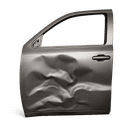
Physical Damage
Can help pay to repair or replace your own truck after an accident, fire, theft, or vandalism.
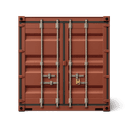
Cargo Coverage
May pay for damage to or theft of the freight you are hauling while it is in your care.
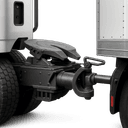
Trailer Interchange
Can help cover damage to trailers you haul under an interchange agreement but do not own.

Bobtail Coverage
May provide liability protection when you drive your tractor without a trailer attached, such as after dropping off a load.

Non-Trucking Liability
Can help cover accidents that happen when you use your truck for personal errands rather than dispatched work.
Commercial Truck Insurance Cost in Burlington
Average Cost in Vermont
$360 - $975
per month
Businesses in Vermont typically see commercial truck insurance premiums of $360 - $975 per month, which tends to run 12% below the national range of $400 - $1,125 per month.
- Radius of operation
- Commodities hauled and cargo value
- Number and value of power units
- Driver motor vehicle records and CDL experience
- DOT safety record, inspections, and FMCSA scores
- Liability limits and physical damage deductibles
Contact CPK Insurance for a personalized quote.
Prices shown are general estimates, not guaranteed rates or quotes. Your actual premium will depend on the insurer, coverage selected, business details, location, claims history, and other underwriting factors. Learn about our pricing methodology.
The state pricing picture for commercial truck insurance in Vermont is fairly close to the national baseline, but it still moves based on how you operate. Many buyers see quotes shaped by the same core underwriting factors, with local conditions layered on top. It means Vermont buyers usually see pricing shaped by operating details rather than by extreme regional swings.
Coverage limits and deductibles are major drivers, especially if you add motor carrier liability, cargo, trailer interchange, or physical damage. Claims history also matters, and weather conditions, drowsy driving, and speeding are among the top causes of accidents in Vermont, which can influence how carriers view risk. Location is another factor, and the state's winter storm and flooding profile can affect how insurers price routes, garaging, and vehicle exposure across places like Montpelier, Burlington, and flood-prone areas.
Industry or risk profile matters too, so refrigerated freight, dump operations, flatbeds, tankers, and delivery vans may not price the same way. Policy endorsements can also change the final number. The state has roughly 24,800 businesses, and nearly all of them are small operations, which means many buyers are trying to balance protection and cash flow rather than simply choosing the highest limits available.
Industries & Insurance Needs in Burlington
Chittenden County's business mix changes who your trucks serve and what proof of coverage they may ask for. The county's leading sectors by establishment share are professional, scientific, and technical services at 13.7%, retail trade at 12.9%, and health care and social assistance at 11.4%. That mix points to a lot of short-haul, appointment-driven work rather than only long over-the-road freight. If you deliver to storefronts, clinics, offices, or support contractors serving those accounts, review whether your policy setup matches frequent stops, backing, loading and unloading, and driver use of customer lots. It also helps to confirm how quickly you can issue certificates for landlords, property managers, and commercial clients that want to see auto liability and any additional insured language tied to related policies. In a market like this, operational fit and documentation speed can matter as much as the truck schedule itself.
What Makes Burlington Different
In a market anchored by many smaller establishments instead of only large industrial shippers, your policy often has to support relationship-driven local work. Think recurring deliveries, service routes, vendor access, and certificate requests that come with leases, job sites, and account onboarding. That means the key review is not just how far your trucks travel. It is how often your drivers enter customer property, whether employees ever use personal vehicles for errands or pickups, and whether your business needs that same hired or non-owned coverage alongside scheduled units. If your operation serves offices, retailers, or care-related locations, ask your agent to walk through your actual stop patterns, where trucks park, who drives them, and any trailer or equipment interchange.
Our Recommendation for Burlington
Start with your route pattern, not just your vehicle list. If most work is local and repeat-account based, ask for a coverage review that separates scheduled trucks from any employee-owned vehicles used for bank runs, parts pickups, or urgent deliveries. If drivers regularly load, unload, or back into customer lots, make sure those routines are described clearly during quoting rather than assumed. Burlington buyers should also keep certificates ready for property managers, commercial tenants, and institutional customers that may ask for proof of coverage before access is granted. Local households report median income of $68,854, and that spending power fuels renovation and retail activity. The result is steady short-haul delivery and contractor traffic that keeps local trucks busy. Before renewing, compare your current policy against how the fleet actually operated over the last year.
Get Commercial Truck Insurance in Burlington
Enter your ZIP code to compare commercial truck insurance rates from carriers in Burlington, VT.
Business insurance starting at $25/mo
FAQ
Frequently Asked Questions
The strongest quotes come from applications that show how your trucks actually run the route each day. Stop frequency, where trucks park at night, who drives them, and whether drivers load or unload at customer premises all shape what the market returns.
Property managers and commercial clients in this area routinely want documentation before deliveries, vendor access, or service work begins. That matters in a county with strong retail, health care, and professional-service establishment counts.
Professional services are 13.7%, retail trade 12.9%, and health care and social assistance 11.4% by establishment share. Those sectors lean on frequent, short-distance trips to offices, stores, and care facilities, so your application should reflect multi-stop local routing rather than long-haul highway mileage.
This coverage deserves a look if employees ever use personal vehicles for pickups, errands, or customer visits. That exposure can sit outside the scheduled truck list, even when most revenue comes from one insured unit.
Burlington policies are regulated at the state level by the Vermont Department of Financial Regulation. If you are comparing forms or handling a dispute, keep the policy documents, endorsements, and certificate requests together before escalating questions.
It can be built around motor carrier liability, physical damage, cargo coverage, trailer interchange, bobtail coverage, and non-trucking liability, depending on whether you run long haul, regional, or local routes in Vermont.
Vermont commercial auto minimums are $25,000/$50,000/$10,000, and trucking operations may also need to meet federal freight limits such as the $750,000 minimum.
Pricing in Vermont is near the national average, and the final price varies with limits, deductibles, claims history, location, risk profile, and endorsements.
Sources
- 1.U.S. Census Bureau, County Business Patterns, Chittenden County(Chittenden County has 5,676 business establishments, so even a small fleet often works with many different shippers, retailers, medical offices, and professional tenants that expect current certificates and clear liability limits before work begins.; The county's leading sectors by establishment share are professional, scientific, and technical services at 13.7%, retail trade at 12.9%, and health care and social assistance at 11.4%.)
- 2.U.S. Census Bureau, ACS 5-Year Estimates, table B19013(Because local households report median income of $68,854, many contractors, suppliers, and delivery operators serve customers and businesses that expect reliable service and documented insurance before work starts, so delays in paperwork can cost you jobs as easily as a coverage gap can.)
- 3.Vermont Department of Financial Regulation(Burlington policies are regulated at the state level by the Vermont Department of Financial Regulation.)
Updated July 16, 2026





