







































Updated July 16, 2026

Inland Marine Insurance in Burlington
Professional, scientific, and technical services lead the business mix in Chittenden County at 13.7% of establishments. In practical terms, a lot of local firms rely on mobile instruments, laptops, testing gear, and client property that leave the office and come back the same day. You are insuring more than stock on a shelf, because your equipment travels to client sites, temporary work areas, shared buildings, and vehicles between appointments. Retail trade accounts for 12.9% of establishments, while health care and social assistance follows at 11.4%, and both sectors routinely move inventory, diagnostic devices, and specialized equipment between locations or away from the main premises. There, a standard property form may not respond the way you expect. If your business works this way, your coverage should be built around the property you actually move, who has custody of it, and whether values spike during deliveries, pop-up setups, or offsite service calls.
Inland Marine Insurance Risk Factors in Burlington
Burlington's inland marine exposure is less about one dramatic local peril and more about how often property is in motion, unattended for short periods, or handled by different employees during the workday. In a market tied to professional services, retail activity, and health care operations, that usually means smaller, higher-value items that are easy to carry, easy to redeploy, and easy to overlook on a blanket limit. The practical review here is **itemization and custody**. You should check whether your policy is scheduled or unscheduled, how it treats borrowed or customer property, and whether transit, loading, unloading, and temporary job-site storage are all addressed the way your operation actually runs. If tools, devices, or merchandise move from office to vehicle to client location in the same day, ask your agent to walk through that chain step by step before you bind coverage.
Vermont has a moderate climate risk rating. Top hazards: Winter Storm (High), Flooding (High), Nor'easter (Moderate), Landslide (Low). The state's expected annual loss from natural hazards is $120M, which influences inland marine insurance premiums and may affect coverage availability in high-risk areas.
What Inland Marine Insurance Covers
In Vermont, this coverage is designed for business property that does not stay in one fixed building, including tools, equipment, materials, and goods moving between locations. For a contractor working from Montpelier to St. Albans, that can mean coverage for hand tools, power tools, and portable gear. It may also help cover materials being hauled to a site, larger job-site machinery, items waiting to be installed, and certain materials during a project. Coverage usually follows the property while it is in transit, at a job site, or in temporary storage, which is different from a standard commercial property policy tied to one address. Vermont does not list a special statewide inland marine mandate, so coverage requirements may vary by industry and business size. The Vermont Department of Financial Regulation is the regulator to check when comparing forms and endorsements. Because Vermont has high winter-storm and flooding exposure, buyers often ask whether their policy responds to damage or theft while property is staged offsite, stored in a trailer, or left at a temporary work location.
Coverage Included
Tools & Equipment
Can help repair or replace hand tools, power tools, and gear that are stolen or damaged on the job or in transit.

Goods in Transit
May cover products, materials, and merchandise while they are being shipped or hauled between locations in your care.
Contractors Equipment
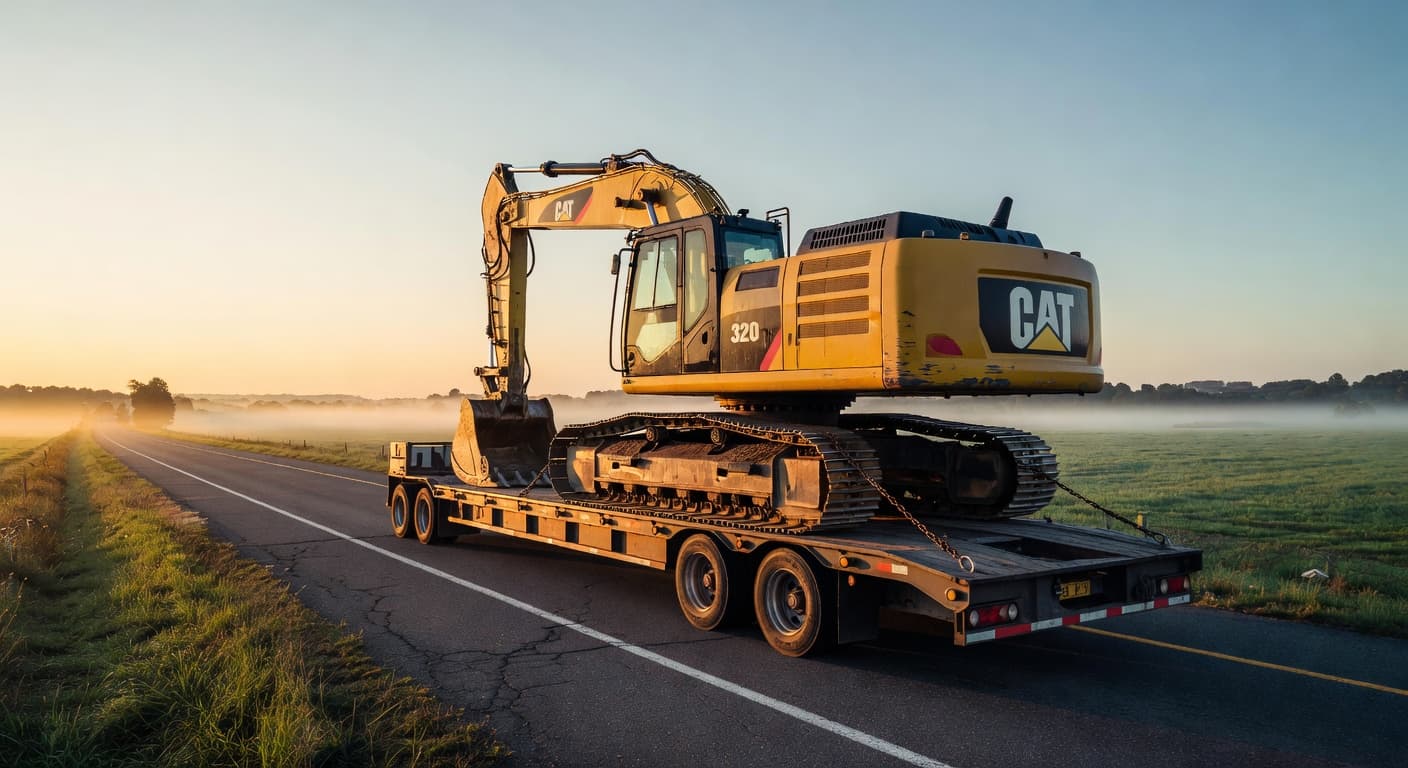
Typically covers heavy machinery like excavators, loaders, and generators against theft or damage at job sites and between them.

Installation Floater
Can help cover materials and fixtures from the moment you buy them until they are installed and accepted at a project.

Builders Risk
May cover a structure under construction, along with materials on site, against damage from fire, wind, theft, and vandalism.
Inland Marine Insurance Cost in Burlington
Average Cost in Vermont
$20 - $95
per month
Businesses in Vermont typically see inland marine insurance premiums of $20 - $95 per month, which tends to run 4% below the national range of $20 - $100 per month.
- Total insured value of the scheduled property
- Type and age of the equipment
- Where it is stored and how far it travels
- Jobsite security and theft prevention
- Per-item limits and deductibles
- Prior theft and in-transit losses
Contact CPK Insurance for a personalized quote.
Prices shown are general estimates, not guaranteed rates or quotes. Your actual premium will depend on the insurer, coverage selected, business details, location, claims history, and other underwriting factors. Learn about our pricing methodology.
The average cost in Vermont is $20 to $95 per month, while broader small-business figures show a typical range of $20 to $100 per month, so Vermont pricing is close to the national pattern but can land lower or higher depending on the account. The state's premium index is 98, which means a typical Vermont business pays slightly less than the national average, though your actual quote depends on what you move and where. Premiums are shaped by coverage limits, deductibles, claims history, location, industry risk profile, and policy endorsements. That matters in Vermont because a business moving equipment through winter-storm corridors, flood-prone areas, or rural routes may face different pricing than a business that mainly keeps property in one town and only makes occasional deliveries. Because the market is competitive, quotes can differ from carrier to carrier, especially for accounts with higher-value tools or specialized installation work.
What Makes Burlington Different
What sets this market apart is how much specialized professional property is in motion on any given day. The local question is often not heavy contractor equipment alone, but whether your policy follows specialized business property that travels for service, consulting, diagnostics, demonstrations, or short-term setup. Chittenden County has 5,676 business establishments, and that density translates into shared commercial buildings, mixed-use spaces, and vendor relationships where property changes hands quickly. Proof of coverage can matter before work even starts. That is why a local buyer should focus less on a generic form and more on classes of property, peak values, employee handling, and any customer contract that shifts responsibility for loss or damage.
Our Recommendation for Burlington
Start with a property map rather than a policy form, listing what leaves your main location, who carries it, where it sits during the day, and whether you ever hold customer property, rented equipment, or demonstration units. A concrete inventory gives you a stronger starting point than debating a broad limit too early. Burlington's median household income is $68,854, and the practical takeaway is that the gear or customer items you handle may cost more to repair or replace than a rough guess allows. Review values carefully before choosing sublimits. You should also ask whether your coverage can help match how you invoice and contract, especially if clients expect you to be responsible while property is in your care, custody, or control. When wording or documentation requirements feel uncertain, it is worth confirming the form and certificate details before work begins rather than after a loss.
Get Inland Marine Insurance in Burlington
Enter your ZIP code to compare inland marine insurance rates from carriers in Burlington, VT.
Business insurance starting at $25/mo
FAQ
Frequently Asked Questions
Burlington businesses often do if that property regularly leaves the premises. Mobile equipment is a routine exposure here, not an edge case, given how many local firms operate in professional and technical fields.
Start with the items that travel, are easy to misplace, or carry high replacement cost. That can include portable electronics, tools, diagnostic devices, display stock, and customer property in your temporary custody.
Many firms in this area work through deliveries, service calls, shared spaces, and vendor relationships. That density makes it worth reviewing who holds property, where it sits, and how values shift when it is off your premises.
Burlington can justify a closer look at limits. Some businesses may handle pricier equipment or customer property and should check whether blanket limits and sublimits still fit actual replacement values.
Start by reading the policy form itself, then confirm certificate details with the carrier before signing any client agreement. If a regulatory question remains, the Vermont Department of Financial Regulation oversees insurance in the state, but most buying decisions still come down to contract language and property schedules.
In Vermont, it can cover business property that is moving between locations, stored temporarily, or used at a job site, including tools, equipment, and materials. The exact coverage depends on the policy form and endorsements, so the schedule should match the items you actually move.
The policy is designed to follow covered property away from your fixed location, which is useful when materials sit at a temporary storage area or on an active project in Vermont. You should confirm whether the storage site, time limit, and security conditions are included before binding coverage.
Contractors, installers, plumbers, electricians, landscapers, and businesses that ship or stage materials often need it. Many of these businesses are small operations without dedicated risk-management staff, so owners rely on this coverage to protect property that does not stay at one address.
Sources
- 1.U.S. Census Bureau, County Business Patterns, Chittenden County(Professional, scientific, and technical services lead the business mix in the county that contains Burlington, at 13.7% of establishments.; Retail trade is 12.9% and health care and social assistance is 11.4% of establishments in the county containing Burlington.; Chittenden County has 5,676 business establishments.)
- 2.U.S. Census Bureau, ACS 5-Year Estimates, table B19013(Burlington's median household income is $68,854.)
- 3.Vermont Department of Financial Regulation(Vermont uses the Vermont Department of Financial Regulation as its insurance regulator.)
Updated July 16, 2026





