







































Updated July 10, 2026

Tree Service Insurance in Vermont
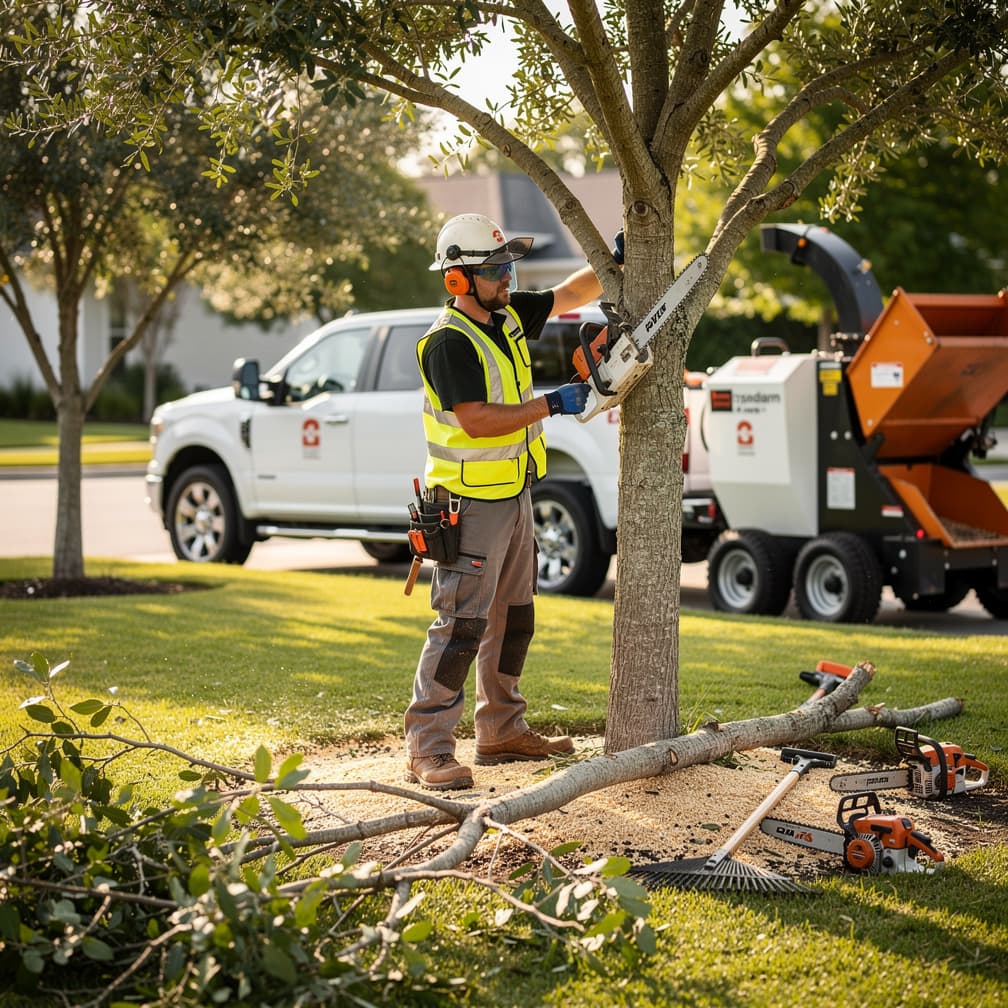
A tree service quote in Vermont usually has to account for more than climbing, cutting, and hauling. Crews work around steep driveways, wooded lots, narrow access roads, winter storm debris, flooding-prone areas, and customer property that can be easy to damage during a busy day. That makes tree service insurance quote planning a practical step, not just a formality. In Vermont, many businesses also need to think about proof of general liability coverage for commercial leases, workers comp for tree service when they have 1 or more employees, and commercial auto minimums if trucks are part of the operation. If your work includes tree trimming, tree removal, arborist services, or hauling tools between jobs, the right mix of liability, workers compensation, inland marine, commercial auto, and umbrella coverage can help you compare options with more confidence. The goal is to match the policy to the way your crews actually work in Montpelier, Burlington, Rutland, St. Albans, and other Vermont job areas.
Climate Risk Profile
Natural Disaster Risk in Vermont
Understanding climate-related risks helps determine appropriate insurance coverage levels.
Winter Storm
High
Flooding
High
Nor'easter
Moderate
Landslide
Low
Expected Annual Loss from Natural Hazards
$120M
estimated economic loss per year across Vermont
Source: FEMA National Risk Index
Risk Factors for Tree Service Businesses in Vermont
- Vermont winter storm conditions can increase bodily injury, slip and fall, and property damage exposure during tree trimming and tree removal jobs.
- Flooding in Vermont can affect tools, mobile property, contractors equipment, and equipment in transit when crews move between job sites.
- Nor'easter weather in Vermont can lead to third-party claims, legal defense costs, and settlement pressure after worksite damage or customer injury.
- Landslide-prone areas in Vermont can complicate liability planning for crews working near slopes, driveways, and access roads.
- Customer property damage during service calls is a recurring Vermont risk for tree service businesses handling branches, fences, roofs, and landscaping.
How Vermont compares with the national baseline
Uninsured drivers
6.8% vs 11.6% baseline
About 6.8% of Vermont drivers are estimated to be uninsured, below the 11.6% average across states.
Fatal crashes per 100 million miles
1.18 vs 1.33 baseline
Vermont sees about 1.18 fatal crashes per 100 million miles driven, below the national average of 1.33.
Property crime per 100,000 residents
1,310 vs 2,200 baseline
Property crime in Vermont runs below the national average, at 1,310 vs 2,200 incidents per 100,000 residents.
Blue bar: Vermont. Gray line: national baseline.
How Much Does Tree Service Insurance Cost in Vermont?
Tree Service Insurance is a bundle of separate policies, priced separately. The ranges below are typical figures for Vermont for each line, except workers compensation, which is rated per $100 of payroll; a quote prices each one against your own operations.
| Coverage | Typical range | What moves your price |
|---|---|---|
| General Liability Insurance | $290 - $950 per month | Industry and risk classification, annual revenue, number of employees |
| Workers Compensation Insurance | $0.75 - $2.74 per $100 of payroll | Employee classification codes, total annual payroll, experience modification rate |
| Commercial Auto Insurance | $310 - $1,000 per month | Fleet size and vehicle types, driver records and experience, coverage limits and deductibles |
| Inland Marine Insurance | $60 - $270 per month | Total insured value of the scheduled property, type and age of the equipment, where it is stored and how far it travels |
| Commercial Umbrella Insurance | $130 - $480 per month | Umbrella limit requested, limits carried on the underlying policies, loss history on those underlying policies |
Prices shown are general estimates, not guaranteed rates or quotes. Your actual premium will depend on the insurer, coverage selected, business details, location, claims history, and other underwriting factors. Learn about our pricing methodology.
What Vermont Requires for Tree Service Insurance
Non-compliance can result in fines, loss of contracts, and personal liability:
- Workers' compensation is required in Vermont for businesses with 1 or more employees, with exemptions for sole proprietors, partners, and corporate officers.
- Commercial auto liability minimums in Vermont are $25,000/$50,000/$10,000, so fleet coverage and hired auto or non-owned auto choices should be reviewed when vehicles are used for jobs.
- Most commercial leases in Vermont require proof of general liability coverage, so policy documents should be ready before signing or renewing space.
- Tree service businesses should confirm limits, underlying policies, and umbrella coverage options when a lease, contract, or client requires higher coverage limits.
- Coverage choices should be checked with the Vermont Department of Financial Regulation rules and any carrier-specific endorsement requirements before binding.
| Requirement | What Vermont law says |
|---|---|
| Auto liability minimums | $25,000/$50,000/$10,000 (bodily injury per person / per accident / property damage). These floors apply to personal and business vehicles alike; lenders and contracts often require more. |
| Workers compensation | Generally required once you have your first employee. Some roles are exempt, so confirm current thresholds before you hire. |
| Where to verify | Vermont Department of Financial Regulation publishes current requirements, consumer guides, and license lookups. |
Get Your Tree Service Insurance Quote in Vermont
Compare rates from multiple carriers. Free quotes, no obligation.
Common Claims for Tree Service Businesses in Vermont
A crew removes storm-damaged limbs in Chittenden County and a falling branch damages a customer fence and landscaping, triggering a property damage claim and possible legal defense.
A worker slips on icy ground near a jobsite in central Vermont while carrying tools, leading to medical costs, lost wages, and rehabilitation under workers compensation.
A truck carrying rigging gear between jobs in the Burlington area is involved in a vehicle incident, creating repair costs and possible equipment in transit issues.
Preparing for Your Tree Service Insurance Quote in Vermont
A list of services you perform, such as tree trimming, tree removal, stump work, arborist services, or emergency storm cleanup.
Crew details, including how many employees you have and whether workers comp is required for your Vermont operation.
Vehicle, trailer, and equipment details, including trucks used for hauling, tools, mobile property, and contractors equipment.
Any lease, contract, or client insurance request that mentions general liability limits, umbrella coverage, or proof of coverage.
Coverage Considerations in Vermont
- General liability for tree service in Vermont to address bodily injury, property damage, and legal defense if a job affects a customer or nearby third party.
- Workers comp for tree service in Vermont for businesses with employees, especially where climbing, cutting, lifting, and equipment handling raise safety concerns.
- Inland marine coverage for tools, mobile property, contractors equipment, and equipment in transit between Vermont job sites.
- Commercial auto insurance with the state minimums in mind, plus hired auto or non-owned auto if crews use vehicles beyond the company-owned fleet.
What Happens Without Proper Coverage?
Tree work leaves a narrow margin for error, and the claims tend to be severe rather than frequent. A limb that swings wrong does not lightly scratch a roof, it goes through it, and a climber’s fall or a chipper injury is never a paperwork event. Severity is why this trade gets underwritten carefully and why unusually cheap quotes deserve a closer look: the losses that matter here are the ones that test limits.
One incident also tends to cascade. The same dropped section can damage the house, injure a bystander, and put your best climber out of work in a single afternoon, touching three different policies at once. Reviewing coverages in isolation misses that pattern, so pressure-test the program against your worst realistic job, including the crane-assisted removal or the storm callout at dusk.
Work rarely starts without paperwork either. Homeowners associations, municipalities, and commercial property managers ask for certificates before a crew arrives, and larger contracts specify limits and additional insured wording. A certificate that takes a week to produce costs you the jobs that could not wait.
Finally, the equipment your revenue depends on rides around in open trailers. Saws, climbing kits, and stump grinders are portable, visible, and easy to sell, which makes them a theft target, and losing a grinder mid-season stalls scheduled work immediately. Keep a current inventory with serial numbers and replacement costs so a loss becomes a claim instead of an argument.
Recommended Coverage for Tree Service Businesses
Based on the risks and requirements above, tree service businesses need these coverage types in Vermont:

General Liability
Essential coverage for every business, protect against third-party bodily injury, property damage, and advertising claims.

Workers Compensation
Help cover your employees' medical expenses and lost wages for work-related injuries and illnesses.

Commercial Auto
Protect your business vehicles and drivers with comprehensive commercial auto coverage.

Inland Marine
Protect tools, equipment, and goods in transit or stored at locations away from your primary premises.

Commercial Umbrella
Extend your liability limits beyond your primary policies for extra protection against catastrophic claims.
Tree Service Insurance by City in Vermont
Insurance needs and pricing for tree service businesses can vary across Vermont. Find coverage information for your city:
Insurance Tips for Tree Service Owners
Break out pruning, removals, stump grinding, emergency storm work, and consulting services before quoting, because each activity can change liability, payroll, and equipment scheduling decisions.
Review who climbs, who operates aerial lifts, who runs saws, and who only handles ground cleanup, because workers compensation classification starts with actual job duties.
List every truck, trailer, chip body, and dump unit with normal drivers and use patterns, so your commercial auto review matches how vehicles move between jobs.
Keep a current equipment schedule for chainsaws, climbing gear, rigging kits, stump grinders, and blowers, because inland marine claims often depend on accurate descriptions and values.
Ask whether your larger residential, municipal, or commercial contracts require higher liability limits, additional insured wording, or waiver language before you promise a certificate.
Clarify how you use subcontractors and how you collect certificates from them, because uninsured or misclassified labor can create expensive problems after an injury or damage claim.
Compare umbrella options after you set your general liability and auto limits, because excess coverage only helps if the underlying policies are structured for your real exposure.
FAQ
Frequently Asked Questions About Tree Service Insurance in Vermont
Most Vermont tree service businesses start by comparing general liability for bodily injury, property damage, and legal defense, then add workers comp if they have 1 or more employees. If you use trucks, trailers, or job-site equipment, commercial auto and inland marine can also be part of the quote.
Winter storm and flooding conditions can make tree trimming and tree removal jobs more hazardous and can increase the chance of slip and fall, property damage, and equipment in transit claims. That is why Vermont businesses often review liability coverage, tool protection, and auto-related coverage together.
Yes, workers compensation is required in Vermont for businesses with 1 or more employees. Sole proprietors, partners, and corporate officers may be exempt, so the exact setup of your business matters when you request a quote.
Usually yes, but the quote should reflect the full scope of work so the carrier can price the risk correctly. Tree trimming, tree removal, and arborist services can all raise different liability and equipment questions, especially if you work near homes, driveways, or utility lines.
Higher limits can matter when a job creates a larger third-party claim, especially where customer property damage or bodily injury is possible. If a lease or contract asks for more protection, umbrella coverage and the underlying policies should be reviewed together.
General liability, workers compensation, commercial auto, inland marine, and umbrella coverage are the usual five. Whether you need all of them depends on whether you climb, remove large trees, run heavy equipment, haul debris, or sign contracts that require certificates.
Smaller jobs still carry property damage, customer injury, tool theft, and vehicle exposure. Your limits and equipment schedule can be lighter than a removal contractor’s, but the coverage categories stay the same.
Damage to a house, fence, or driveway during a removal is the classic general liability claim in this trade. How it resolves depends on your policy terms and limits, so read the exclusions before the job, not after the limb lands.
Updated March 31, 2026