Updated July 16, 2026

Key Takeaways
- Compare liquor liability quotes using the same limits and the same description of your alcohol operations, then read exclusions and defense wording before you choose a policy.
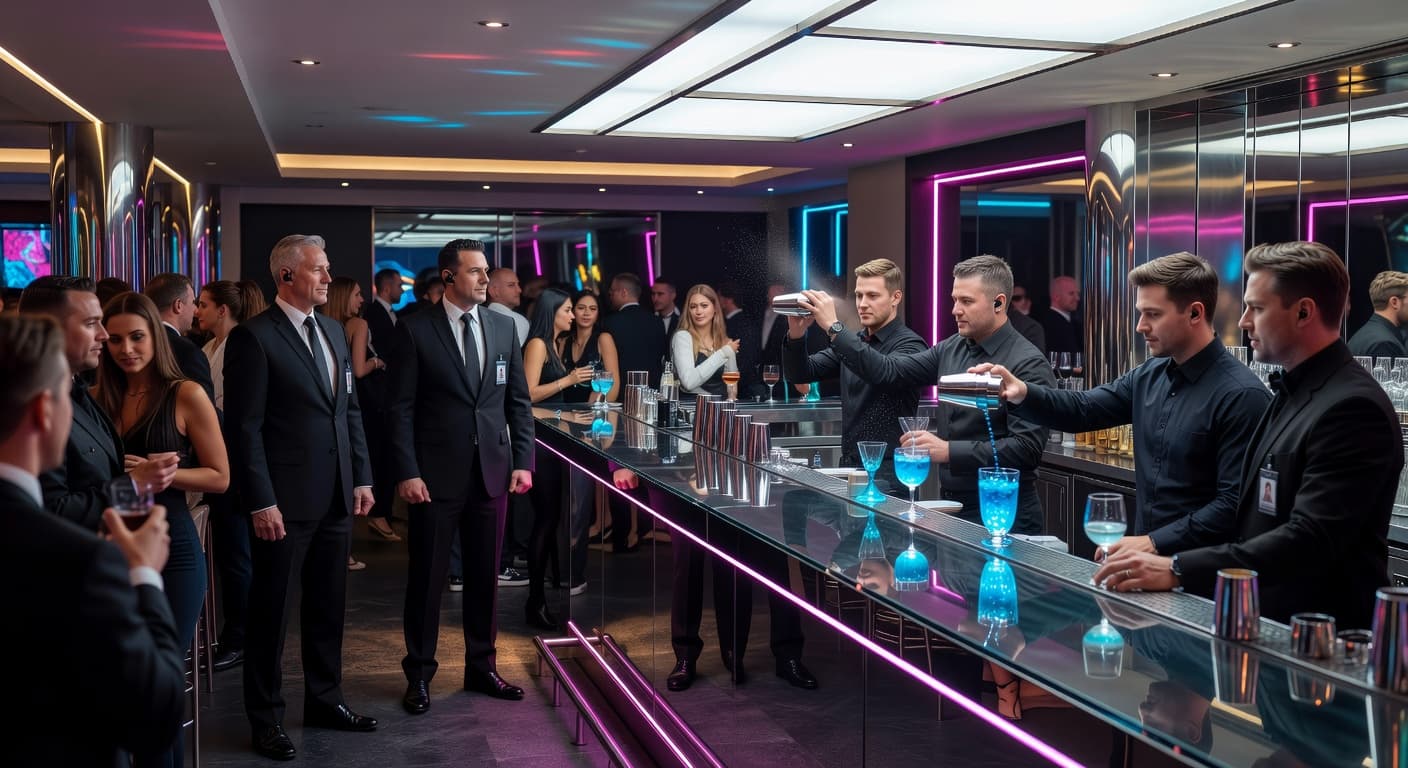
- Ask whether assault and battery is included, limited, or excluded, especially if you operate late hours, use security, host events, or manage crowded service areas.
- Document ID checks, server training, incident logs, and cut-off procedures so your application and your claim file both support how you actually operate.
- Review contracts from landlords, venues, and event partners early so you can match liquor liability limits and certificate requirements before binding coverage.
- Separate host liquor questions from true liquor liability needs if alcohol is only furnished occasionally and not part of your regular business revenue.
Liquor Liability Insurance in Vermont
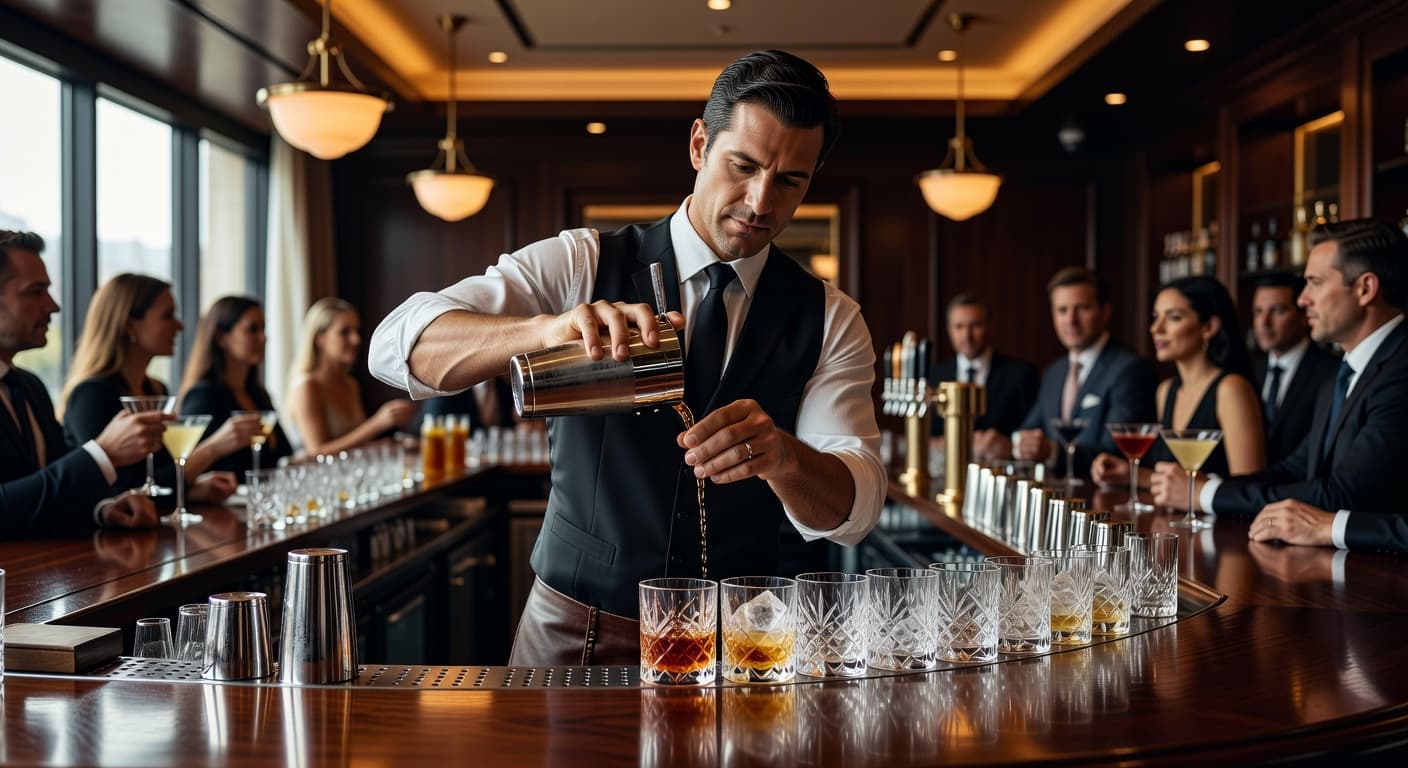
When you sell or serve alcohol in Vermont, your drink revenue drives the price of this coverage more than any other single factor. A tavern with late-night bar receipts is rated differently from a restaurant, inn, brewery taproom, wedding venue, or farm market that serves alcohol as one part of the operation. Shopping for a policy starts with a clean breakdown of how you actually sell and serve. Your rating also depends on whether service is on premises or off, whether you pour beer and wine or full liquor, whether you run regular service or special events, and whether your bartenders are employees or outside vendors.
A quote works hardest when the application matches your floor plan, hours, and alcohol revenue instead of forcing your business into a generic class. Vermont buyers also benefit from checking who is asking for proof of coverage before they bind. Landlords, event hosts, lenders, and distribution partners may all want different wording on certificates or additional insured requests. Gathering those requirements first lets you compare policy terms and documentation side by side, so you are not renegotiating certificate language after the policy is already in force.
What Liquor Liability Insurance Covers
In Vermont, the practical review starts with where alcohol changes hands and who controls service at that moment. A neighborhood restaurant in Burlington, a ski-area bar, a wedding barn, and a bottle shop with tastings can all need different attention in the quote process. Whether you run table service, a late-night bar, or a tasting counter, each format shapes how a claim is investigated, which endorsements apply, and whether your defense is handled inside or outside the policy limits. For many buyers, the key question is how the policy responds when an alcohol-related claim is tied to service decisions, staff conduct, or event operations. Look closely at whether your form is written for your serving model, whether defense costs are addressed in the way you expect, and whether temporary events, catered functions, or off-site service need to be scheduled or separately reviewed. If you host private parties, ticketed events, or seasonal functions, bring those scenarios into the conversation early.
You should also look at the gaps that appear when more than one party touches the alcohol sale. A venue may assume the caterer carries the exposure, and a caterer may assume the venue's policy responds. A brewery may pour at a festival where the organizer sets the rules but not the staffing. Those handoffs are where coverage disputes start, and where the right certificate wording and vendor agreements can keep your policy from being dragged into someone else's claim. If your business has multiple revenue streams, ask for each one to be listed and classified clearly so the policy can be matched to the way alcohol is actually sold, served, or furnished.

Bodily Injury Liability
Can help cover injuries an intoxicated patron causes to others after your business served or sold them alcohol.

Property Damage Liability
May pay for property damage caused by an intoxicated customer your establishment served, such as a car crash after leaving.

Assault & Battery
Can help cover claims arising from fights or physical altercations involving intoxicated patrons at your bar or restaurant.

Defense Costs
May pay for attorneys, court fees, and related legal expenses when your business is sued over an alcohol-related incident.

Host Liquor Liability
Can help cover alcohol-related claims from events where you host or serve drinks without selling them, like company parties.
Liquor Liability Insurance Requirements in Vermont
- If your Vermont venue alternates between in-house bar service and outside caterers, confirm in writing which party's policy is expected to respond for each event setup before the first drink is poured.
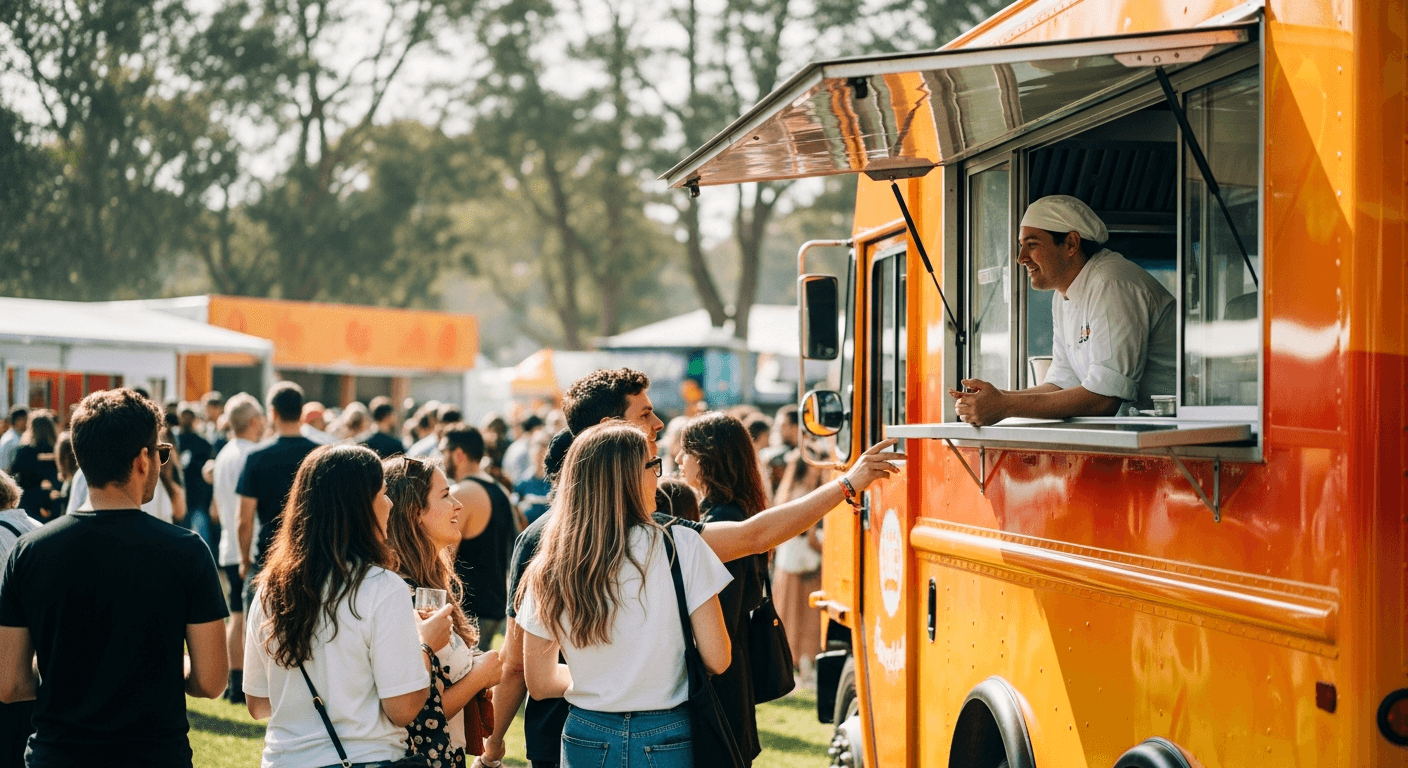
- Breweries, cideries, and wineries with tasting rooms should have retail sales, on-site pours, and festival service reviewed as separate operational exposures when appropriate.
- Inns and resort properties that host weddings and private functions should match certificate requests to the actual party serving alcohol, not assume one form fits every event.
- Farm or seasonal event properties adding alcohol service for limited dates should disclose those dates and service arrangements before coverage is bound.
How Much Does Liquor Liability Insurance Cost in Vermont?
Average Cost in Vermont
$50 - $230
per month
Businesses in Vermont typically see liquor liability insurance premiums of $50 - $230 per month, which tends to run 3% below the national range of $50 - $240 per month.
- Share of sales that comes from alcohol
- Type of venue and how late you serve
- Server training and service procedures
- State dram shop law
- Liquor liability limits selected
- Prior over-service or assault claims
Contact CPK Insurance for a personalized quote.
Your alcohol receipts, service hours, and operating model set the baseline for what you pay. A restaurant where alcohol supports food sales is often viewed differently from a bar built around drink volume. A tasting room with limited hours is different again from a venue that runs weddings, concerts, or rotating pop-up events. In Vermont, that means your quote gets more accurate when you separate alcohol revenue from total revenue and explain whether sales are mostly beer and wine, full liquor, package sales, or a mix.
The biggest cost swings usually come from your total alcohol receipts and your latest serving hour. A venue closing at 9 p.m. with beer and wine only can look very different from one running a full bar until 1 a.m. Claims history, limits, deductibles, event activity, and whether service is on premises, off premises, or both all factor in from there. The same class of business can price differently if one account has late-night service, frequent special events, or prior incidents that need underwriting review.
You can make the shopping process more useful by preparing the details underwriters actually rate. Pull your estimated annual alcohol receipts, note your latest closing time, list any entertainment or security practices, and identify every location where alcohol is sold or served. If you use third-party bartenders, mobile bars, or caterers, include that up front.
Prices shown are general estimates, not guaranteed rates or quotes. Your actual premium will depend on the insurer, coverage selected, business details, location, claims history, and other underwriting factors. Learn about our pricing methodology.
Request a Quote Comparison
Enter your ZIP code to compare liquor liability insurance rates from top carriers.
Business insurance starting at $25/mo
Who Needs Liquor Liability Insurance?
In Vermont, the buyers who should review this coverage are not limited to stand-alone bars. If you run a restaurant, inn, brewery taproom, winery, cidery, event venue, catering operation, private club, or retail shop that adds tastings or service, you have alcohol-related exposure. What matters is whether your operation sells, serves, furnishes, or controls alcohol service as part of the customer experience.
This matters most when your business model has moving parts. A wedding venue may host outside caterers on some weekends and run in-house bar service on others. A farm property may hold seasonal events where alcohol service is occasional but central to the event. A restaurant may expand into private parties, patio service, or holiday functions without changing its base insurance structure. Adding a new service style, shifting to outside vendors, or extending your hours can open gaps your current policy was never built to cover.
You should also think about who is asking you for proof. Lease agreements, event contracts, lender requirements, and vendor relationships can all trigger a request for certificates or specific wording before service begins. If your business is growing into festivals, off-site pours, or multi-location operations, the need becomes less about checking a box and more about making sure the policy follows the actual transaction. If alcohol service is part of your revenue, your guest experience, or your event contracts, review your coverage before the next renewal or contract signing.
Liquor Liability Insurance by City in Vermont
Liquor Liability Insurance rates and coverage options can vary across Vermont. Select your city below for localized information:
How to Buy Liquor Liability Insurance
Buying this coverage in Vermont goes faster when you build the submission around operations instead of around generic business categories. Start with a short operating summary: what type of business you run, where alcohol is sold or served, what percentage of revenue comes from alcohol, your latest serving hour, and whether service is on premises, off premises, or both. Then add the details that often change underwriting, such as live entertainment, security procedures, age-verification practices, staff training, and whether you host private events.
Next, gather the documents that affect policy wording. That can include your lease, event contracts, venue agreements, lender insurance requirements, and any certificate language another party has already requested. If a landlord or event organizer wants additional insured status or a specific certificate format, bring that into the quote process early. Confirming a carrier can accommodate a specific endorsement before binding is far simpler than rewriting the policy after a certificate request fails.
You should also identify every party involved in alcohol service. If bartenders are employees, say so. If you use caterers, concessionaires, or mobile bar vendors, list who serves, who collects payment, and who carries separate insurance. Ask for quotes on the same limits and assumptions, then compare exclusions, event handling, and documentation support, not just premium. Vermont is regulated by the Vermont Department of Financial Regulation, which oversees insurer licensing and handles consumer complaints if a dispute arises during your policy term. You can verify a carrier or agent through the department before you bind. To get started, request a quote from a participating licensed provider through our marketplace.
How to Save on Liquor Liability Insurance
You lower cost by giving underwriters less to guess about. In Vermont, that means presenting a submission that clearly separates alcohol exposure from the rest of your business instead of leaving the carrier to fill in the blanks. Break out alcohol receipts, list your actual serving hours, and explain whether you run a restaurant, bar, tasting room, inn, venue, or mixed operation. A precise application can prevent a quote from being padded for unknowns.
You can also save by matching the policy to your real schedule. If your business is seasonal, event-driven, or limited to certain service windows, ask whether the quote can be structured around that operating pattern rather than around a year-round late-night assumption. The same applies if you only serve beer and wine, only host a small number of catered events, or use outside vendors for some functions. Underwriters who can see exactly how and when you serve are better positioned to price the risk without padding for unknowns.
Another practical step is to tighten contract management. Review leases and event agreements before renewal so you are not buying endorsements you do not need or discovering last-minute certificate demands that limit your options. Keep incident logs, training records, and vendor certificates organized, because organized accounts with clear documentation tend to place faster and at better terms.
Our Recommendation for Vermont
Get your classification right before you do anything else. If your operation blends food service, lodging, events, retail sales, and alcohol service, ask the quote to separate those pieces clearly. A policy built for a simple restaurant can leave real gaps at an inn with weddings, a brewery pouring at festivals, or a venue that alternates between in-house bartenders and outside caterers.
Next, test the policy against your busiest scenario, not your average day. If your highest-exposure nights involve private events, live music, holiday parties, or off-site service, use those facts in the application. A policy that holds up on a quiet Tuesday can still fall short on a packed Saturday if the form was never built for the volume, the crowd, or the service style that night actually brings.
Finally, line up documentation before you shop. Gather your alcohol revenue estimate, serving hours, contracts, prior loss details if any, and any certificate wording another party requires. If your operation changes with the season, request a review before the busy period starts, not after bookings are already on the calendar.
FAQ
Frequently Asked Questions
Not always. If your venue sometimes controls the bar, collects alcohol revenue, or sets service rules, a caterer's policy may not respond when you need it to. Ask for your own quote and review contract wording before each event.
Vermont breweries and cideries should separate taproom pours, packaged sales, and festival service when requesting quotes. Underwriters price the way alcohol is actually sold and served, so a clearer breakdown usually produces a more reliable comparison.
Vermont inns and resorts often need a more detailed submission because lodging, weddings, banquets, and seasonal events can change how alcohol is served. Include private functions, outside vendors, and any off-site service so the quote matches operations.
Vermont businesses should gather alcohol receipts, serving hours, event details, prior loss information if any, and contract insurance requirements. If you also want to verify licensing or consumer resources, the Vermont Department of Financial Regulation is the state regulator.
Vermont seasonal venues should update insurance before adding alcohol service to farm dinners, weddings, or festivals. A policy written for ordinary premises activity may need a fresh review once alcohol becomes part of the event operation.
Vermont quotes can vary because similar businesses may have very different alcohol receipts, closing times, event schedules, vendor arrangements, and claims histories. Compare quotes only after confirming they use the same limits and the same operating assumptions.
Vermont restaurants should disclose private parties, catered events, and any off-site bartending up front. Those activities can change underwriting and certificate needs, and leaving them out can make a low quote less useful at binding time.
U.S. businesses that sell, serve, or distribute alcohol should review liquor liability insurance. That usually includes bars, restaurants, breweries, wineries, liquor stores, caterers, hotels, and event venues, especially when alcohol service is part of normal operations rather than an occasional event.
Sources
- 1.Vermont Department of Financial Regulation(Vermont is regulated by the Vermont Department of Financial Regulation.)
Updated July 16, 2026