







































Updated July 5, 2026

Dealer Open Lot Insurance in Rutland
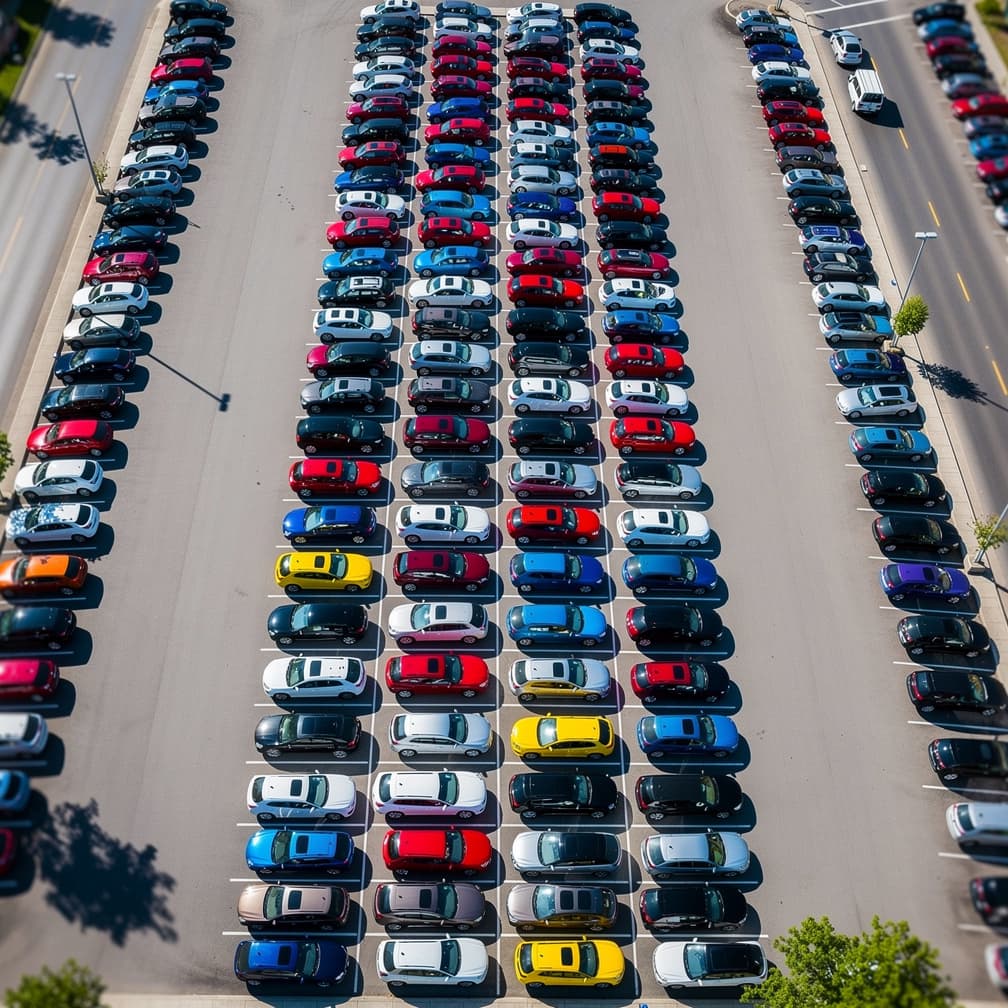
A lot of local dealers start this review when a downtown lease is about to be signed, a lender asks for updated proof of coverage, or spring inventory begins to stack up outside before the busy selling stretch. Dealer open lot insurance in Rutland gets practical at that moment because your lot is rarely just a row of units sitting still. You may be balancing older downtown frontage, a secondary storage area, or vehicles that need to be repositioned quickly as weather changes and foot traffic shifts. That makes underwriters focus on how your inventory is arranged, where keys are controlled, how units are separated by value, and whether temporary overflow storage is handled the same way as your main lot. Local buyers also tend to shop with a close eye on payment fit, and the city's median household income is $55,000, so aging inventory and delayed turns can matter more to your insurance review than they would in a faster, higher-ticket market. Before you request quotes, map every place vehicles sit overnight and note which units stay outside the longest.
Dealer Open Lot Insurance Risk Factors in Rutland
Local weather exposure is the part that changes the conversation here. The Vermont page already covers the state's broader weather pattern, but at the city level the buying decision usually comes down to **lot discipline**: how tightly vehicles are parked, whether high-value units are grouped or spread out, and how quickly staff can move inventory when conditions turn. If your operation uses overflow space, that matters even more, because a secondary parking area can be managed very differently from the main frontage unless you document it clearly. For a dealer here, the useful question is not whether weather exists, but whether your layout, key control, and after-hours procedures match the way inventory actually sits day to day. Ask for a quote review that separates your primary display area from any back-lot or temporary storage setup, then confirm the carrier is rating the real storage pattern rather than an idealized one.
Vermont has a moderate climate risk rating. Top hazards: Winter Storm (High), Flooding (High), Nor'easter (Moderate), Landslide (Low). The state's expected annual loss from natural hazards is $120M, which influences dealer open lot insurance premiums and may affect coverage availability in high-risk areas.
What Dealer Open Lot Insurance Covers
A small independent dealer with a single fenced lot presents one kind of exposure. A dealer that rotates units between a roadside lot, a recon area, and an overflow storage site presents another. That difference affects how you should review location schedules, reporting requirements, and any limits that apply by premises rather than across the whole operation.
You should also look closely at how the policy treats vehicles during ordinary dealership handling. That includes units being parked tightly for display, moved for snow clearing, repositioned for plowing access, or transferred between owned and leased storage areas. In Vermont, weather-driven movement can be part of normal operations. It is worth asking whether your policy language and declarations match the way your staff actually handles inventory during storms and cleanup.
If you store vehicles outdoors for long stretches, ask your agent to walk through claim scenarios tied to water, falling objects, theft, and vandalism. If you use temporary overflow space, confirm that address is scheduled correctly before a loss happens. If your inventory includes higher-value trucks, specialty vehicles, or seasonal units, review whether concentration at one location creates a limit problem.
Vermont is regulated by the Vermont Department of Financial Regulation, which means that agency oversees policy forms, endorsements, and consumer complaints. For you as a dealer, that matters because it determines what policy language is allowed in your state and where you would turn if a dispute over a claim or endorsement goes unresolved. As you compare options, ask for a plain-language explanation of what is covered at each lot and what documentation you would need after a loss.
Coverage Included

Weather Damage
Covers hail, wind, flood, and storm damage to lot inventory.
Theft Protection
Covers vehicles stolen from your lot.
Fire Damage
Covers fire and explosion damage to inventory vehicles.

Vandalism
Covers intentional damage to vehicles on your lot.
Test Drive Coverage
Covers vehicles during customer and employee test drives.
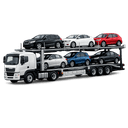
Transit Coverage
Covers vehicles being moved between lot locations.
Industries & Insurance Needs in Rutland
Rutland County has 1,961 business establishments, and retail trade accounts for 17.5% of establishments, construction 14.3%, and accommodation and food services 10.7%. For a local dealer, that mix matters because it points to a market where work trucks, vans, practical used vehicles, and budget-conscious retail demand can all shape what you stock and how long it stays outside. A lot built around mixed-use inventory usually has a different exposure profile than one focused on a narrow band of late-model passenger units. Construction buyers may look for pickups and service bodies, while retail and hospitality workers often shop for dependable commuter vehicles at specific payment levels. So your quote request should describe the actual inventory mix, not just the total count. If commercial-use units, older trades, or lower-value daily drivers make up a meaningful share of your stock, list that clearly before coverage is reviewed.
What Affects Dealer Open Lot Rates in Rutland
Rutland's median household income is $55,000, so many dealers have to pay close attention to how long certain units stay on the lot and how aggressively they price older inventory to keep it moving. That affects your insurance conversation because slower-turning vehicles can sit exposed longer, especially if you use overflow parking or keep a wider mix of price points on hand. The issue is not that income sets your premium directly. It is that local demand conditions can change how long inventory remains outside and which units become your highest concentration of value at any given time. When you ask for quotes, break out average days on lot, your highest total inventory value month, and whether seasonal buying patterns leave you with a heavier outside count for part of the year. That gives the underwriter a truer picture than a simple unit count alone.
What Makes Rutland Different
Inventory turnover pressure is what changes the calculus here. In a market where buyers often shop carefully around affordability, the insurance issue is not only how many vehicles you own, but how long each one remains exposed on the lot before sale. That can create a very different risk picture from a dealership in a faster-turning metro market. A unit that sits for weeks longer than expected affects layout, concentration of value, and the way you use secondary parking or edge-of-lot space. It also changes which vehicles are left outside overnight the longest. That is why a local dealer should treat this as an operations review as much as an insurance purchase. Show the underwriter where slower-moving inventory sits, how often vehicles are rotated, and whether your highest-value units are clustered together or dispersed. The more accurately your lot pattern is described, the more useful your quote comparison becomes.
Our Recommendation for Rutland
Start with a simple site map. Mark every place inventory is parked, including any overflow area, service-adjacent row, or offsite storage arrangement used during heavier months. Then build a current vehicle schedule that groups units by value band, age, and expected turnover speed. That helps you see whether your most expensive inventory is concentrated in one section and whether older units are lingering in less secure areas. If you carry a mix of retail-ready cars, work trucks, and lower-priced trades, ask the agent to review whether that mix should be described in more detail to underwriters. It is also worth confirming how often your inventory count peaks during the year, because a seasonal jump can change the exposure more than your average month suggests. Before binding anything, compare quotes against your real lot operations, not just the address on the application, and request a free, no-obligation quote only after those details are organized.
Get Dealer Open Lot Insurance in Rutland
Enter your ZIP code to compare dealer open lot insurance rates from carriers in Rutland, VT.
Business insurance starting at $25/mo
FAQ
Frequently Asked Questions
Rutland dealers should start with a full inventory list, every overnight parking location, and a note on which units sit the longest. If your lot setup changes seasonally or uses overflow space, include that up front so the quote matches actual operations.
Rutland County's business mix can affect the review because 1,961 establishments and a strong share in retail trade, construction, and accommodation and food services can influence the kinds of vehicles local buyers want. That can change your inventory mix and turnover pattern.
Rutland buyers often shop carefully on payment, and the city's median household income is $55,000. That can leave some units outside longer, so you should show average days on lot and identify where slower-moving vehicles are parked overnight.
Rutland dealers should list overflow parking whenever vehicles are stored there overnight or for any regular part of operations. A secondary area can be managed differently from the main lot, and that difference is important during underwriting and claims review.
Rutland inventory can warrant a more detailed review when your stock includes work trucks, older trades, and lower-priced commuter vehicles together. That mix can create different concentration and turnover patterns than a lot focused mainly on late-model passenger units.
In Vermont, landlords, floorplan lenders, and some auction or storage partners may ask for proof before they finalize access, financing, or unit release. Have your locations, inventory values, and contract requirements ready so the certificate reflects the actual operation.
Vermont dealers should assume every regular storage address needs to be reviewed. If inventory sits on a main lot, overflow lot, or separate service-area parcel, ask whether each location is scheduled correctly before binding coverage.
Vermont conditions can change how often vehicles are moved, clustered, or stored offsite, which affects underwriting and claims preparation. Review where units sit during storms, snow clearing, and overflow periods so the policy matches actual handling.
Sources
- 1.U.S. Census Bureau, ACS 5-Year Estimates, table B19013(Local buyers also tend to shop with a close eye on payment fit, and the city's median household income is $55,000, so aging inventory and delayed turns can matter more to your insurance review than they would in a faster, higher-ticket market.)
- 2.U.S. Census Bureau, County Business Patterns, Rutland County(Rutland County has 1,961 business establishments, and retail trade accounts for 17.5% of establishments, construction 14.3%, and accommodation and food services 10.7%.)
Updated July 5, 2026





