Updated July 16, 2026

Homeowners Insurance in Rutland
Rutland sits in a county where retail trade leads the economy and construction follows close behind. Homes here often pull double duty as workplaces and gathering spots. Store owners head out for early shifts, contractors stash tools between jobs, and families take in visiting relatives during busy travel seasons. When you review your policy, go beyond the dwelling limit and look at how your household actually uses the property day to day. Retail trade accounts for 17.5% of establishments in the county, construction 14.3%, and accommodation and food services 10.7%. Those sectors tend to bring work equipment and irregular foot traffic into residential settings, which standard policies may not fully anticipate. If you are comparing options, bring your current declarations page and ask whether your limits still match the way the property functions now.
Vermont has a moderate climate risk rating. Top hazards: Winter Storm (High), Flooding (High), Nor'easter (Moderate), Landslide (Low). The state's expected annual loss from natural hazards is $120M, which influences homeowners insurance premiums and may affect coverage availability in high-risk areas.
What Homeowners Insurance Covers
In Vermont, the most useful coverage review usually starts with loss scenarios that are common to the way homes are built and occupied here. If your house sits through long heating seasons, you should ask how the policy handles sudden water damage after a pipe freeze. You also need to know what maintenance issues could be excluded and whether any endorsement changes the settlement on older materials. If trees are close to the structure, review how your policy responds to a covered tree strike, debris removal, and temporary repairs needed to prevent further damage.
Roof claims deserve a close read before you buy. Ask whether the quote assumes replacement cost or another settlement method for the roof, whether cosmetic issues are treated differently from functional damage, and how age or prior wear could affect a claim decision. For homes with detached garages, sheds, or barns, confirm that other structures coverage is enough for the buildings you actually have on the property rather than relying on a default amount you never checked.
Contents coverage also needs a Vermont-specific inventory mindset. If you keep tools, outdoor equipment, or seasonal gear in a basement, mudroom, garage, or outbuilding, ask where the policy draws the line after a covered water event or theft. For older homes, review ordinance or law coverage so you know whether added cost from current building requirements is addressed after a covered loss. Liability deserves the same practical review. Dog exposure, wood stove use, short-term guests, and property conditions that could lead to a slip or fall should all be discussed before you choose limits.
Coverage Included

Dwelling
Repairs or rebuilds your home itself, the walls, roof, floors, built-in appliances, and attached structures like a garage, after a covered loss. Set this limit to the full cost of rebuilding, not market value.
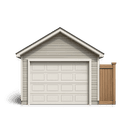
Other Structures
Detached structures on your property, such as a fence, shed, detached garage, or gazebo. Usually set at about 10 percent of your dwelling limit [2].

Personal Property
Your belongings, furniture, clothing, electronics, and appliances, generally written at 50 to 70 percent of your dwelling limit [2]. High-value items like jewelry and art carry special limits.

Additional Living Expenses
Also called loss of use. Pays your added living costs, hotel stays, meals, and a temporary rental, while a covered loss makes your home uninhabitable. Usually set at about 20 percent of your dwelling limit.

Liability
Covers you if someone is injured on your property, or you damage someone else's property, and you are found responsible. The standard $100,000 limit [2] is often raised to $300,000 or $500,000.

Medical Payments
Pays small medical bills, commonly $1,000 to $5,000, if a guest is hurt at your home regardless of fault, without a formal liability claim.
Homeowners Insurance Cost in Rutland
Average Cost in Vermont
$70 - $190
per month
In Vermont, homeowners insurance premiums typically run $70 - $190 per month, which tends to run 28% below the national range of $110 - $250 per month.
- Home replacement cost, age, and construction type
- Roof age, material, and condition
- ZIP code and local weather risk (wind, hail, wildfire, hurricane)
- Coverage limits and endorsements
- All-peril and percentage wind/hail deductibles
- Claims history and insurance score where allowed
Typical range for many standard homeowners profiles; lower-risk homes fall below it and coastal, wildfire, or older-roof homes can run well above. Final pricing depends on property details, location, underwriting, and selected coverage.
Prices shown are general estimates, not guaranteed rates or quotes. Your actual premium will depend on the insurer, coverage selected, personal details, location, claims history, and other underwriting factors. Learn about our pricing methodology.
Homeowners pricing in Vermont is usually driven less by a single statewide average and more by the details of the house, the site, and the way the policy is structured. Many homes see premiums from $70 to $190 per month, depending on rebuild cost, roof condition, claims history, deductible choice, and whether the home is primary, seasonal, or rented to others part of the year. That range sits below what homeowners pay in many states, which makes Vermont relatively affordable for this coverage. Still, two similar-looking houses on the same road can pay very different rates, so a quote only becomes useful once the home data is accurate.
Start with the property itself. The age of the roof, heating system type, plumbing updates, electrical updates, and foundation condition can all move pricing. So can distance to fire protection, tree exposure, prior water losses, and whether the home has features that cost more to rebuild than a standard tract house. If the home is older, ask the agent to confirm how replacement cost assumptions are being handled and whether any endorsements are needed to avoid a gap after a covered loss.
Your choices inside the quote matter too. Higher dwelling limits, lower deductibles, broader endorsements, and higher liability limits can all increase premium. A higher deductible may lower the monthly cost, but only if you can comfortably absorb that amount after a real loss. Payment method, bundling, and protective devices may also affect the final number. The best way to compare cost is to keep the inputs consistent. Then look at what changed and why, instead of assuming the lowest premium gives you the better fit for your Vermont home.
What Affects Homeowners Insurance Rates in Rutland
Home values and household budgets can change what a smart quote review looks like here. Rutland's median home value is $176,400 and median household income is $55,000, so many owners need to balance deductible choices and optional endorsements carefully instead of focusing only on the lowest premium. A policy that looks cheaper up front can leave you absorbing more out of pocket after a covered loss if the deductible is set higher than your emergency savings can comfortably handle. That is worth testing before renewal. Ask for side by side options with different deductibles, confirm whether settlement terms for personal property fit what you own, and review whether recent repairs or upgrades should be reflected in the file. The goal is not to buy more policy than you need. It is to line up the structure limit, deductible, and add-on protections with what your household could realistically carry after a claim.
What Makes Rutland Different
Homes in this area frequently double as workspaces. A house here may be where tools are kept overnight, where a side entrance gets frequent use, or where family members rotate through changing work hours that affect how long the house sits empty during the day. Rutland County has 1,961 business establishments. That concentration of commercial activity means many residents commute at off hours or run side ventures from home, which can change what an insurer needs to know about your property. Underwriting questions often turn on how you occupy the home and whether you store business items there. When you request a quote, mention any recent renovations and ask the agent to walk through exclusions and sublimits that could matter after a loss.
Our Recommendation for Rutland
Start with the details most likely to have shifted since your last renewal. If you have bought tools, electronics, jewelry, or outdoor equipment over the last few years, check whether any category limits are lower than you expect. When a garage, shed, or basement doubles as storage for contract work or frequent household projects, confirm how your policy applies before something goes missing or gets damaged. You should also compare deductible options against what you could actually pay without borrowing, especially if your budget is tight month to month. For older homes, ask whether any updates to roofing, wiring, plumbing, or heating have been documented. Missing upgrade information can affect both pricing and claim handling. If you are reviewing your coverage, send the declarations page from your current policy and ask for differences to be marked clearly before you decide.
Get Homeowners Insurance in Rutland
Enter your ZIP code to compare homeowners insurance rates from carriers in Rutland, VT.
Home insurance starting at $50/mo
FAQ
Frequently Asked Questions
Work-related belongings tend to accumulate in Rutland households, and category sublimits can quietly fall behind what you actually own. If tools, electronics, or specialty items have piled up over time, ask how those sublimits apply before you renew or switch carriers.
Rutland has a median home value of $176,400. That figure sits below the national median, which means a high deductible could eat up a larger share of your home's value after a partial loss. Weigh the monthly savings against what you could actually pay from savings if you had to file a claim.
Major repairs, renovations, or system upgrades belong on your insurer's radar. Changes to the roof, wiring, plumbing, or heating can affect how the home is underwritten, and outdated records can create avoidable friction during a claim review.
With 1,961 business establishments in the county, many households here have irregular schedules or keep work-related property at home. Disclose detached structures, stored equipment, and any regular home-based activity when you request a quote so the policy reflects how you actually live and work.
Rutland homeowners with a claim or policy dispute can use the Vermont Department of Financial Regulation as the state regulator. Ask the carrier to explain the denial, valuation, or underwriting decision in writing first, then bring that documentation to the state if the issue remains unresolved.
Before closing, look at whether the dwelling amount reflects rebuild cost, whether the deductible fits your savings, how roof settlement works, whether occupancy details are correct, and whether the mortgagee clause matches your lender. If you want a state consumer checkpoint while comparing forms or billing practices, the Vermont Department of Financial Regulation is the regulator to reference.
Vermont seasonal homes often need a closer eligibility review because long vacancy periods and part-time occupancy can change how a standard homeowners form fits. Tell the agent exactly how the property is used before binding so the quote is built correctly.
Vermont older homes can change both price and underwriting because roof age, wiring, plumbing, heating, and foundation condition all matter. Bring inspection findings and update dates to the quote request so the policy is based on the house as it stands today.
Sources
- 1.U.S. Census Bureau, County Business Patterns, Rutland County(In Rutland County, retail trade accounts for 17.5% of establishments, construction 14.3%, and accommodation and food services 10.7%.; Rutland County has 1,961 business establishments.)
- 2.U.S. Census Bureau, ACS 5-Year Estimates, table B25077(Rutland's median home value is $176,400 and median household income is $55,000.)
- 3.U.S. Census Bureau, ACS 5-Year Estimates, table B19013(Rutland's median household income is $55,000.)
- 4.Vermont Department of Financial Regulation(Vermont Department of Financial Regulation)
Updated July 16, 2026