








































Updated July 5, 2026

Inland Marine Insurance in Rutland
Rutland operating budgets are often tighter than buyers expect, and that changes how you set limits on mobile property. With median household income at $55,000 here, replacing stolen tools, rented equipment, or customer property out of pocket can strain cash flow fast, so inland marine insurance in Rutland is usually less about broadening coverage for its own sake and more about protecting working capital. That matters if you keep gear moving between a shop, a trailer, a customer location, and temporary storage during the same week. A low deductible can help if smaller losses would interrupt payroll or force you to delay a job, but limits still need to match the highest value you carry away from your main premises at one time. Before you request quotes, total the peak value of tools, installation materials, leased equipment, and any property of others in your care. Then separate what stays at your main location from what travels or sits temporarily off-site, because that is usually where coverage gaps show up.
Inland Marine Insurance Risk Factors in Rutland
Rutland's top risk factors include Winter storm damage, Ice dam damage, Frozen pipe bursts, and Snow load collapse.
Vermont has a moderate climate risk rating. Top hazards: Winter Storm (High), Flooding (High), Nor'easter (Moderate), Landslide (Low). The state's expected annual loss from natural hazards is $120M, which influences inland marine insurance premiums and may affect coverage availability in high-risk areas.
What Inland Marine Insurance Covers
In Vermont, this coverage is designed for business property that does not stay in one fixed building, including tools, equipment, materials, and goods moving between locations. For a contractor working from Montpelier to St. Albans, that can mean coverage for hand tools, power tools, and portable gear. It may also help cover materials being hauled to a site, larger job-site machinery, items waiting to be installed, and certain materials during a project. Coverage usually follows the property while it is in transit, at a job site, or in temporary storage, which is different from a standard commercial property policy tied to one address. Vermont does not list a special statewide inland marine mandate, so coverage requirements may vary by industry and business size. The Vermont Department of Financial Regulation is the regulator to check when comparing forms and endorsements. Because Vermont has high winter-storm and flooding exposure, buyers often ask whether their policy responds to damage or theft while property is staged offsite, stored in a trailer, or left at a temporary work location.
Coverage Included
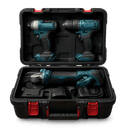
Tools & Equipment
Can help repair or replace hand tools, power tools, and gear that are stolen or damaged on the job or in transit.

Goods in Transit
May cover products, materials, and merchandise while they are being shipped or hauled between locations in your care.
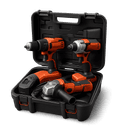
Contractors Equipment
Typically covers heavy machinery like excavators, loaders, and generators against theft or damage at job sites and between them.

Installation Floater
Can help cover materials and fixtures from the moment you buy them until they are installed and accepted at a project.

Builders Risk
May cover a structure under construction, along with materials on site, against damage from fire, wind, theft, and vandalism.
Inland Marine Insurance Cost in Rutland
Average Cost in Vermont
$20 - $95
per month
Businesses in Vermont typically see inland marine insurance premiums of $20 - $95 per month, which tends to run 4% below the national range of $20 - $100 per month.
- Total insured value of the scheduled property
- Type and age of the equipment
- Where it is stored and how far it travels
- Jobsite security and theft prevention
- Per-item limits and deductibles
- Prior theft and in-transit losses
Contact CPK Insurance for a personalized quote.
Prices shown are general estimates, not guaranteed rates or quotes. Your actual premium will depend on the insurer, coverage selected, business details, location, claims history, and other underwriting factors. Learn about our pricing methodology.
The average cost in Vermont is $20 to $95 per month, while broader small-business figures show a typical range of $20 to $100 per month, so Vermont pricing is close to the national pattern but can land lower or higher depending on the account. The state's premium index is 98, which means a typical Vermont business pays slightly less than the national average, though your actual quote depends on what you move and where. Premiums are shaped by coverage limits, deductibles, claims history, location, industry risk profile, and policy endorsements. That matters in Vermont because a business moving equipment through winter-storm corridors, flood-prone areas, or rural routes may face different pricing than a business that mainly keeps property in one town and only makes occasional deliveries. Because the market is competitive, quotes can differ from carrier to carrier, especially for accounts with higher-value tools or specialized installation work.
Industries & Insurance Needs in Rutland
Rutland County's business mix gives inland marine buyers a practical clue about where mobile property exposures show up most often. The county has 1,961 business establishments, and the largest establishment shares are retail trade at 17.5%, construction at 14.3%, and accommodation and food services at 10.7%. That mix matters because contractors often move tools and materials between jobs, retailers may transport inventory or display property between locations and events, and hospitality operators can have portable equipment that leaves the main premises for catering, seasonal setups, or service work. If your operation touches any of those patterns, ask for a quote built around what actually travels, not just what sits on a property schedule. A policy review should identify who owns the property, where it goes during a normal week, and whether values spike during deliveries, installs, or temporary setups.
What Makes Rutland Different
Budget sensitivity is the main thing that changes the buying calculus locally. In a market where many owners watch every replacement decision closely, the real question is not whether mobile property has value, but whether your business can absorb a loss without disrupting operations. That is why deductible strategy matters more than many buyers first assume. If you choose a deductible that looks efficient on paper but would force you to postpone a purchase, rent substitute equipment, or slow a customer job after a theft or transit loss, the policy may not work the way you need it to. A better approach is to match the deductible to available cash, then set limits around your highest off-premises concentration of value. For many local accounts, the exposure is not one expensive item. It is several ordinary items moving together in a truck, trailer, or temporary work area, and that total is what you should measure before binding coverage.
Our Recommendation for Rutland
Start with an inventory built for movement, not for bookkeeping. List tools, small equipment, materials, laptops, rented items, and customer property that leave your main location, then note the highest total value you carry at one time. If you use trailers or temporary storage, ask whether those situations are specifically contemplated in the quote rather than assumed. If your business has seasonal swings or project-based spikes, request limit options that reflect those peaks so you are not insuring only an average week. Buyers in Rutland should also compare deductible choices against actual cash reserves, because a deductible only helps if you can comfortably fund it during an interruption. If you handle property that belongs to clients, vendors, or project owners, make that clear early in the application so the quote addresses care, custody, and control issues where appropriate. Bring your equipment list, recent invoices, and any lease or rental agreements before you compare options.
Get Inland Marine Insurance in Rutland
Enter your ZIP code to compare inland marine insurance rates from carriers in Rutland, VT.
Business insurance starting at $25/mo
FAQ
Frequently Asked Questions
Rutland buyers should base the limit on the highest total value off-premises at one time, not the average day. Add tools, materials, rented equipment, and any customer property that travels or sits temporarily away from your main location.
Rutland County has 1,961 business establishments, with retail trade, construction, and accommodation and food services leading by share, so businesses that move inventory, tools, or portable equipment should review whether fixed-location property coverage leaves an off-premises gap.
Rutland contractors often benefit from comparing deductible options against available cash. With local median household income at $55,000, many owners prefer a deductible they can realistically absorb without delaying replacement equipment or interrupting a job.
Rutland retailers and hospitality operators should list any inventory, display property, portable equipment, or service items that leave the premises. The cleaner your schedule is, the easier it is to compare quotes built around actual movement patterns.
In Vermont, it can cover business property that is moving between locations, stored temporarily, or used at a job site, including tools, equipment, and materials. The exact coverage depends on the policy form and endorsements, so the schedule should match the items you actually move.
The policy is designed to follow covered property away from your fixed location, which is useful when materials sit at a temporary storage area or on an active project in Vermont. You should confirm whether the storage site, time limit, and security conditions are included before binding coverage.
Contractors, installers, plumbers, electricians, landscapers, and businesses that ship or stage materials often need it. Many of these businesses are small operations without dedicated risk-management staff, so owners rely on this coverage to protect property that does not stay at one address.
The biggest pricing factors are your coverage limits, deductible, claims history, location, industry risk profile, and policy endorsements. Winter-storm and flood exposure can also matter because they affect how often tools, equipment, and materials are exposed while moving or stored offsite.
Sources
- 1.U.S. Census Bureau, ACS 5-Year Estimates, table B19013(With median household income at $55,000 here, replacing stolen tools, rented equipment, or customer property out of pocket can strain cash flow fast.)
- 2.U.S. Census Bureau, County Business Patterns, Rutland County(The county has 1,961 business establishments, and the largest establishment shares are retail trade at 17.5%, construction at 14.3%, and accommodation and food services at 10.7%.)
Updated July 5, 2026





