







































Updated July 16, 2026

On-Hook Towing Insurance in Rutland
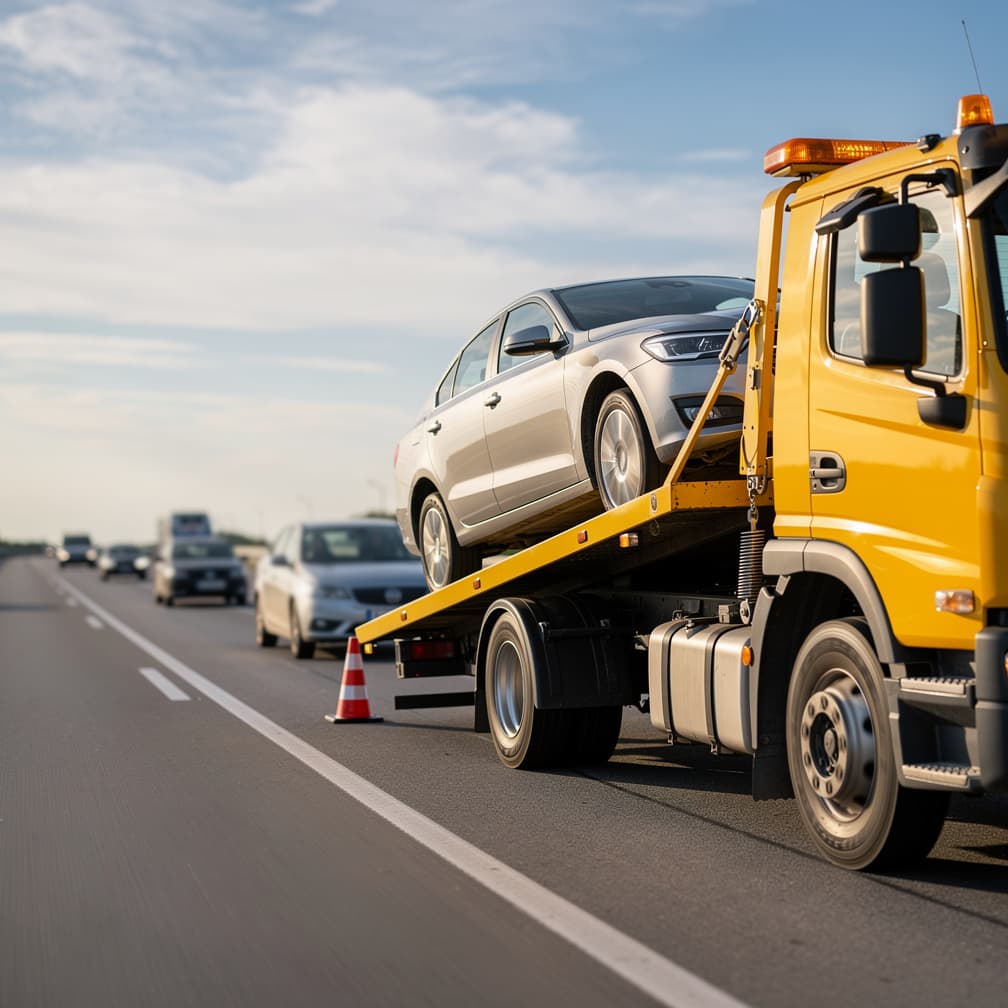
You are lining up a downtown yard, adding a truck before winter work picks up, or tightening contract paperwork after a customer questions damage during a tow. A local operator often handles a mixed book of calls, roadside recoveries for shoppers, disabled work trucks, and vehicles tied to restaurants, lodging properties, or small job sites, sometimes all in the same week. Rutland County has 1,961 business establishments, which means your towing account can touch a wide range of commercial customers that expect clean certificates and clear loss reporting before they release keys or authorize storage. The county mix also matters. Retail trade accounts for 17.5% of establishments, construction 14.3%, and accommodation and food services 10.7%. In practical terms, a single week can put you in parking lots, contractor driveways, and guest-facing properties where a damage dispute can escalate quickly. When you request a quote, include your dispatch pattern, storage setup, and typical vehicle types so the policy fits how you actually work.
On-Hook Towing Insurance Risk Factors in Rutland
Rutland's top risk factors include Winter storm damage, Ice dam damage, Frozen pipe bursts, and Snow load collapse.
Vermont has a moderate climate risk rating. Top hazards: Winter Storm (High), Flooding (High), Nor'easter (Moderate), Landslide (Low). The state's expected annual loss from natural hazards is $120M, which influences on-hook towing insurance premiums and may affect coverage availability in high-risk areas.
What On-Hook Towing Insurance Covers
The useful question in Vermont is not the basic definition of on-hook coverage. The real question is where your operation creates the most claim friction and whether your policy language matches that work. A tow company handling mountain roads, icy shoulders, gravel driveways, and long rural runs can face a different loss pattern than an operator doing mostly short urban relocations. That matters because the damage dispute often starts with the exact moment custody begins, the condition notes your driver records, and whether the vehicle is being moved in a way the underwriter expected.
If you take police calls, private property impounds, dealer transfers, or seasonal roadside work, review whether your quote is built around those job types instead of a simplified description of your business. A carrier may want detail on wheel-lift versus flatbed use, low-clearance vehicles, all-wheel-drive units, modified trucks, motorcycles, or heavier pickups. If your drivers regularly winch vehicles out of snow, mud, or narrow roadside positions before transport, say so up front so the policy review reflects real operations.
Weather also changes what buyers should ask. Rain, snow, freeze-thaw conditions, and limited shoulder space can increase the chance of scraping, shifting, undercarriage contact, or loading damage. You should ask for clear explanations of exclusions, valuation method, reporting expectations, and whether your documentation process supports the claim if a customer challenges pre-existing damage.
The state regulator is the Vermont Department of Financial Regulation, which oversees policy forms, complaint handling, and insurer licensing. Before you bind, confirm the insurer is licensed in Vermont so you have access to the complaint process if a dispute arises. If you are comparing forms, endorsements, or complaint handling standards, keep your review grounded in regulated policy language. Ask for specimen wording before committing.
Coverage Included

Collision on Hook
Covers damage to towed vehicles from collisions during transport.
Comprehensive on Hook
Covers theft, fire, and weather damage to vehicles being towed.
Loading & Unloading
Covers damage during the process of loading and unloading vehicles.
Winching Coverage
Covers damage to vehicles during winching and recovery operations.

Multiple Vehicle
Covers all vehicles on multi-car carriers and rollback flatbeds.
What Makes Rutland Different
You are not just thinking about one lane of work. A single operator here may move customer cars, contractor pickups, vans, or guest vehicles across very different settings in the same week. On-hook claims often turn on condition at pickup, handoff documentation, and whether the vehicle type matched the way the truck and equipment were used. With 1,961 business establishments in the county, there are more chances for commercial relationships where proof of coverage and consistent paperwork affect whether you keep getting calls. If your book includes parking lot tows, roadside recoveries, and business-account work, ask for a quote built around that mix instead of assuming one flat limit fits every job.
Our Recommendation for Rutland
Start with the jobs that create the hardest conversations after a loss. If you tow for stores, restaurants, hotels, contractors, or mixed commercial accounts, ask your agent to review your typical vehicle classes, where keys are exchanged, and how condition is documented before hookup. That helps you test whether your on-hook limit and any related endorsements fit the work you actually accept. Rutland households report a median household income of $55,000. For a towing customer, a scratched bumper can spiral into a heated disagreement faster than you might expect. Customers feel real pressure from downtime and repair disputes even when the damage looks minor at first. Tighten photos, dispatch notes, and signed release procedures before renewal, because better records can matter as much as the limit itself when a claim turns adversarial. Adding a truck or changing your service area is a good reason to request a fresh quote with those details rather than rolling last year's assumptions forward.
Get On-Hook Towing Insurance in Rutland
Enter your ZIP code to compare on-hook towing insurance rates from carriers in Rutland, VT.
Business insurance starting at $25/mo
FAQ
Frequently Asked Questions
Rutland County has 1,961 business establishments. Local towing companies often work with stores, contractors, and lodging properties that want coverage details aligned with the vehicles and handoff procedures involved in each tow.
It does, because retail trade is 17.5% of establishments, construction 14.3%, and accommodation and food services 10.7%. That mix can mean more varied vehicle types and pickup settings, so your limit should match your actual dispatch pattern.
Operators should review both. Local mixed-use towing creates more chances for disputes over vehicle condition, keys, and release timing, so photos, dispatch notes, and signed handoffs deserve the same attention as the on-hook limit.
Rutland households report a median household income of $55,000. Even modest repair delays can become tense quickly, which makes clear documentation and realistic limits worth reviewing before you bind or renew coverage.
Landlords, municipal clients, police rotation managers, and lenders commonly ask for proof before they approve access, assign work, or finalize financing. Bring your service list and certificate requirements into the quote process so the policy matches the jobs you actually perform.
Yes. The Department of Financial Regulation oversees policy forms, complaint handling, and insurer licensing. If you are comparing quotes, ask for compliant policy wording and review endorsements before binding.
Winter conditions can change how an underwriter views loading, roadside recovery, and disputed damage potential. If your drivers work in snow, ice, or low-visibility conditions, describe that clearly so the quote reflects your real exposure and documentation needs.
Yes. Dealer moves and impound assignments often create higher expectations around vehicle condition records and proof of coverage. If those jobs are part of your operation, ask the insurer to confirm they were contemplated in the quote rather than assumed away.
Sources
- 1.U.S. Census Bureau, County Business Patterns, Rutland County(In Rutland County, there are 1,961 business establishments, so a towing account can touch a wide range of commercial customers that expect clean certificates and clear loss reporting before they release keys or authorize storage.; The county mix also matters: retail trade accounts for 17.5% of establishments, construction 14.3%, and accommodation and food services 10.7%, so you should review whether your on-hook limit fits pickups from parking lots, contractor vehicles, and guest-facing properties where a damage dispute can escalate quickly.)
- 2.U.S. Census Bureau, ACS 5-Year Estimates, table B19013(Rutland households report a median household income of $55,000, so many customers are sensitive to downtime and repair disputes even when the damage looks minor at first.)
Updated July 16, 2026





