







































Updated July 16, 2026

Builders Risk Insurance in South Burlington
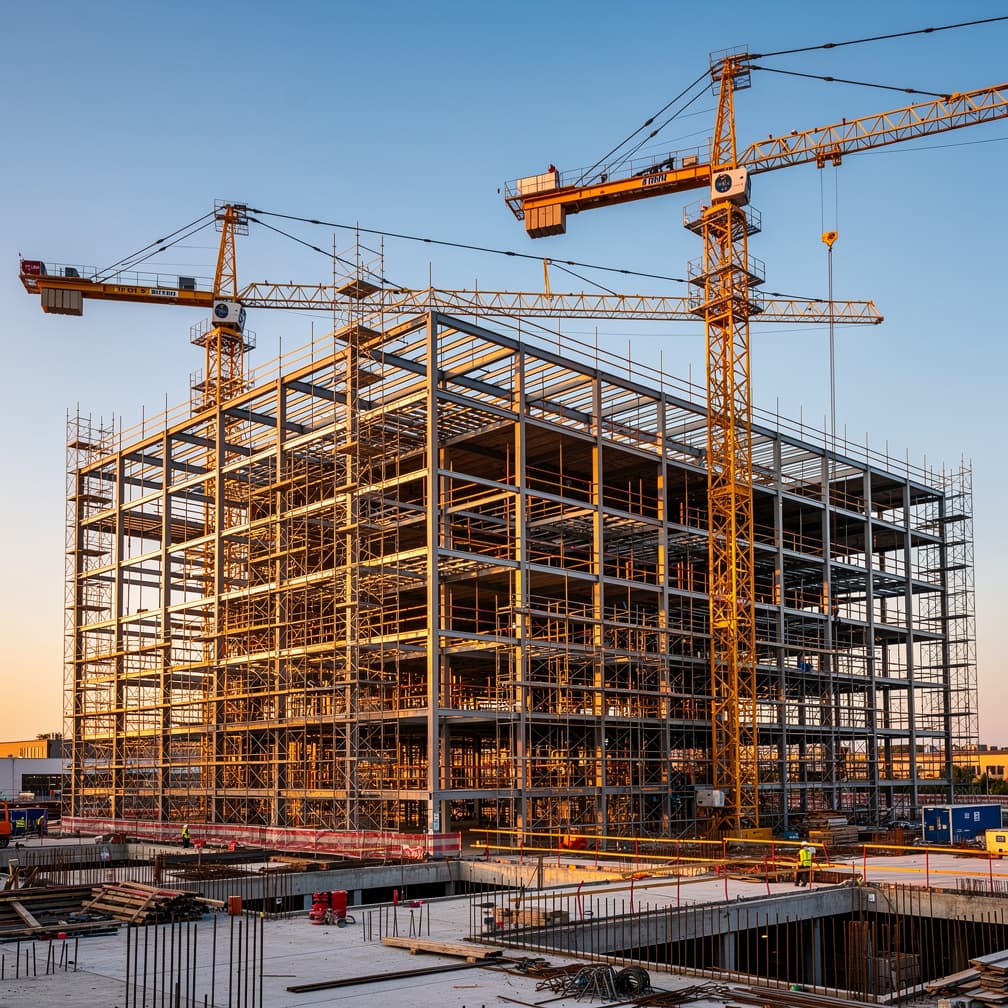
On a custom home, a higher-value remodel, or a commercial interior build, the finished property value is often too large to leave to a generic estimate. The local median home value is $399,600, so a replacement-cost worksheet that undershoots by even 10 percent can leave a gap north of $40,000 if a loss hits before handoff. Many household projects also involve larger finish selections, appliance packages, and owner upgrades that should be reflected in the completed value from the start. If you are lining up financing, a contractor agreement, or a draw schedule, your insurance review belongs inside that budget control process. Bring plans, contract value, change-order expectations, and the full party list that needs to be named before work begins.
Builders Risk Insurance Risk Factors in South Burlington
South Burlington's top risk factors include Winter storm damage, Ice dam damage, Frozen pipe bursts, and Snow load collapse.
Vermont has a moderate climate risk rating. Top hazards: Winter Storm (High), Flooding (High), Nor'easter (Moderate), Landslide (Low). The state's expected annual loss from natural hazards is $120M, which influences builders risk insurance premiums and may affect coverage availability in high-risk areas.
What Builders Risk Insurance Covers
A project that starts in late fall can face a very different loss pattern than one framed and enclosed in summer, so you should ask how the form treats damage that follows snow load, ice, wind-driven water, or a partial collapse during construction. If your job includes a renovation, review how the policy draws the line between new work, existing structure, and materials waiting to be installed. That distinction matters on older homes, barns, mixed-use buildings, and phased commercial rehabs where only part of the property is under active construction.
Pay close attention to materials stored in detached areas, items in transit on rural routes, temporary works, scaffolding, and equipment that supports the build. These may not fall neatly into the main structure limit. If the site is hard to access in winter or mud season, ask whether delayed replacement of damaged materials could create a larger downstream loss and whether soft cost options are worth reviewing. Soft costs are the indirect expenses that pile up when a project is delayed, things like extended loan interest, additional architectural fees, or extra rent for temporary space. The same applies if your lender expects the project to stay on a tight draw schedule.
For your quote, the useful step is to mark exactly what property is on site, off site, and in transit. Then compare exclusions and sublimits line by line instead of assuming every form handles Vermont weather the same way.
Coverage Included

Structure Coverage
Covers the building or structure under construction.

Materials on Site
Covers building materials stored at the construction site.

Materials in Transit
Covers materials being transported to the job site.
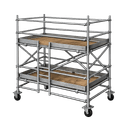
Temporary Structures
Covers scaffolding, fencing, and temporary buildings.

Soft Costs
Covers additional expenses from construction delays due to covered losses.

Equipment Coverage
Covers permanently installed fixtures and equipment.
Industries & Insurance Needs in South Burlington
Commercial projects here often involve owners, landlords, and tenants who expect paperwork to move cleanly before materials arrive or interior work begins. Chittenden County has 5,676 business establishments, so even smaller build-outs can involve multiple counterparties, lease requirements, lender conditions, and vendor certificates that need to line up early. The county's leading sectors are professional, scientific, and technical services at 13.7%, retail trade at 12.9%, and health care and social assistance at 11.4%, so a local project is often less about a ground-up industrial site and more about office improvements, storefront work, clinic space, or specialized interiors with equipment and finish schedules that can change the insured value. That makes scope discipline important. Before binding, match the policy term, covered property description, and named insured structure to the actual deal documents so a delay or mid-project dispute does not turn into a coverage question.
What Makes South Burlington Different
Higher property values are the main factor that changes the builders risk decision here. The bigger mistake is often not whether you buy the policy, but whether the completed value and upgrade path are stated accurately enough for the project you are actually building. That matters most on custom homes and substantial renovations, where owner selections can move fast after the initial estimate. Local household income is relatively strong, so buyers may choose better finishes, built-ins, or mechanical upgrades during construction. Those changes should trigger a review before they quietly outgrow the original schedule of values. Treat builders risk as a live project-control item, not a box to check at permit time. If your contract amount, allowances, or finish package changes, ask for the policy to be reviewed while the job is still underway.
Our Recommendation for South Burlington
Start with the completed value, not just the construction contract. On a local custom build or major remodel, ask your agent to review whether owner-supplied materials, change orders, temporary storage, and any lender-required parties are being handled the way your contract expects. If the job is a tenant improvement or office build-out, compare the lease, contractor agreement, and insurance requirements side by side before binding. That often means interior projects with specialized fixtures, phased occupancy, or equipment that can complicate who insures what during the work. When you sit down for the quote conversation, have your draw schedule, updated budget, and written site security and material handling procedures in front of you. If the project scope expands, do not wait until renewal or completion. Ask for a mid-project review while there is still time to correct limits, named insureds, or valuation assumptions.
Get Builders Risk Insurance in South Burlington
Enter your ZIP code to compare builders risk insurance rates from carriers in South Burlington, VT.
Business insurance starting at $25/mo
FAQ
Frequently Asked Questions
South Burlington projects usually need a clear completed value, contract amount, build timeline, and party list. It is worth checking that upgrades and change orders are reflected before the policy is bound, especially on custom homes and larger remodels.
Because local household income is **$97,229**, finish packages and owner upgrades may be more substantial. The practical impact is that your original materials schedule can fall behind real costs, so ask for a mid-project review of the completed value and materials list.
Chittenden County has 5,676 business establishments. With that many employers operating in a compact market, your commercial job may involve a landlord, tenant, lender, and contractor all expecting to be named on the same policy. Confirming who has an insurable interest and what the contract requires before work starts is essential.
South Burlington-area commercial work often tracks county demand from professional services, retail, and health care space. That means interior improvements, fixtures, and specialized build-outs can affect valuation, term length, and who should coordinate coverage during construction.
Renovation projects should separate new work from existing structure before you compare quotes. That matters on older homes and phased rehabs, where a loss may affect both the area under construction and parts of the building that remain in use.
Custom home projects are usually worth reviewing as soon as the contract assigns responsibility for insuring the work. If materials, labor, and lender draws are already committed, a covered loss during construction may lead to a costly dispute without clear project coverage.
Policies may treat transit and stored materials differently, so you should ask for those exposures to be addressed in the submission. That is especially important if your site is rural or deliveries arrive well before installation.
Projects often need the owner, general contractor, lender, and other parties with a financial interest reviewed against the contract. The right setup depends on who bears the risk of loss and what the lender requires before releasing funds.
Sources
- 1.U.S. Census Bureau, ACS 5-Year Estimates, table B25077(The local median home value is $399,600, so a replacement-cost worksheet that undershoots the completed value can leave a meaningful gap if a loss hits before handoff.)
- 2.U.S. Census Bureau, ACS 5-Year Estimates, table B19013(Because local household income is $97,229, finish packages and owner upgrades may be more substantial, so ask for the completed value and materials schedule to be reviewed mid-project.)
- 3.U.S. Census Bureau, County Business Patterns, Chittenden County(Chittenden County has 5,676 business establishments, so even smaller build-outs can involve multiple counterparties, lease requirements, lender conditions, and vendor certificates that need to line up early.; The county's leading sectors are professional, scientific, and technical services at 13.7%, retail trade at 12.9%, and health care and social assistance at 11.4%, so a local project is often less about a ground-up industrial site and more about office improvements, storefront work, clinic space, or specialized interiors with equipment and finish schedules that can change the insured value.)
Updated July 16, 2026





