







































Updated July 16, 2026

Commercial Truck Insurance in South Burlington
South Burlington sits inside Chittenden County's busiest commercial corridor, so your policy usually turns on how often your trucks interact with retail loading areas, medical campuses, office parks, and airport-adjacent traffic instead of long stretches of lightly developed road. Chittenden County has 5,676 business establishments, so your drivers face more daily stops and tighter backing maneuvers. If your operation is based here, your quote should be built around where units park overnight, who loads and unloads, how often drivers cross into neighboring towns, and whether certificates of insurance are requested before you enter a site.
Commercial Truck Insurance Risk Factors in South Burlington
South Burlington's top risk factors include Winter storm damage, Ice dam damage, Frozen pipe bursts, and Snow load collapse.
Vermont has a moderate climate risk rating. Top hazards: Winter Storm (High), Flooding (High), Nor'easter (Moderate), Landslide (Low). The state's expected annual loss from natural hazards is $120M, which influences commercial truck insurance premiums and may affect coverage availability in high-risk areas.
What Commercial Truck Insurance Covers
In Vermont, commercial truck insurance is typically built to match the way your trucks actually move freight. For interstate or freight-hauling operations, motor carrier liability coverage is the core protection. The federal minimum for general freight carriers is $750,000, which means you need that level of protection before you can legally haul interstate freight. Higher limits may be needed for certain hazardous materials loads.
Physical damage coverage can help with repair or replacement after a collision or other covered loss. Cargo insurance may help cover theft, damage, or loss to the freight you are transporting. Trailer interchange can matter if you use trailers under agreement, and bobtail or non-trucking liability may be relevant when a tractor is being driven outside dispatch or without a trailer, depending on your policy structure.
Vermont does not replace federal trucking rules with a special statewide trucking minimum. The state's commercial auto minimums are $25,000/$50,000/$10,000, but those figures are not a substitute for the liability limits that may be required for your trucking operation. Keeping your policy details aligned with state oversight and federal trucking requirements is a necessary part of staying on the road.
Your coverage terms should connect directly to your specific operation, including your cargo type, trailer use, and route distances. Because winter storms and flooding are frequent risk factors here, the exclusions and deductibles in your policy deserve close review.
Coverage Included

Motor Carrier Liability
Can help cover injuries and property damage your truck causes to others, a coverage federal regulators require most for-hire carriers to maintain.
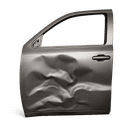
Physical Damage
Can help pay to repair or replace your own truck after an accident, fire, theft, or vandalism.
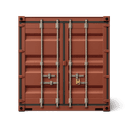
Cargo Coverage
May pay for damage to or theft of the freight you are hauling while it is in your care.
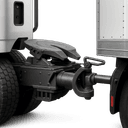
Trailer Interchange
Can help cover damage to trailers you haul under an interchange agreement but do not own.

Bobtail Coverage
May provide liability protection when you drive your tractor without a trailer attached, such as after dropping off a load.

Non-Trucking Liability
Can help cover accidents that happen when you use your truck for personal errands rather than dispatched work.
Commercial Truck Insurance Cost in South Burlington
Average Cost in Vermont
$360 - $975
per month
Businesses in Vermont typically see commercial truck insurance premiums of $360 - $975 per month, which tends to run 12% below the national range of $400 - $1,125 per month.
- Radius of operation
- Commodities hauled and cargo value
- Number and value of power units
- Driver motor vehicle records and CDL experience
- DOT safety record, inspections, and FMCSA scores
- Liability limits and physical damage deductibles
Contact CPK Insurance for a personalized quote.
Prices shown are general estimates, not guaranteed rates or quotes. Your actual premium will depend on the insurer, coverage selected, business details, location, claims history, and other underwriting factors. Learn about our pricing methodology.
The state pricing picture for commercial truck insurance in Vermont is fairly close to the national baseline, but it still moves based on how you operate. Many buyers see quotes shaped by the same core underwriting factors, with local conditions layered on top. It means Vermont buyers usually see pricing shaped by operating details rather than by extreme regional swings.
Coverage limits and deductibles are major drivers, especially if you add motor carrier liability, cargo, trailer interchange, or physical damage. Claims history also matters, and weather conditions, drowsy driving, and speeding are among the top causes of accidents in Vermont, which can influence how carriers view risk. Location is another factor, and the state's winter storm and flooding profile can affect how insurers price routes, garaging, and vehicle exposure across places like Montpelier, Burlington, and flood-prone areas.
Industry or risk profile matters too, so refrigerated freight, dump operations, flatbeds, tankers, and delivery vans may not price the same way. Policy endorsements can also change the final number. The state has roughly 24,800 businesses, and nearly all of them are small operations, which means many buyers are trying to balance protection and cash flow rather than simply choosing the highest limits available.
Industries & Insurance Needs in South Burlington
Chittenden County’s business mix changes who many truck operators serve and what underwriters may ask about. The county’s largest establishment shares are professional, scientific, and technical services at 13.7%, retail trade at 12.9%, and health care and social assistance at 11.4%, so local trucking risks often involve service calls, store deliveries, medical-related shipments, and repeat visits to customer premises rather than one simple dock-to-dock pattern. That should push you to describe your operation in operational terms: scheduled delivery windows, hand-unload work, employee driver use, refrigeration or specialized equipment, and whether cargo is left unattended during stops. If your book of business includes clinics, retailers, or office clients, request liability limits and endorsements that match site-access requirements before a contract starts.
What Makes South Burlington Different
Around South Burlington, the concentration of businesses means your exposure often comes from frequent customer contact points like parking lots, shared drive aisles, loading zones, and short trips between accounts. Your submission should explain where vehicles stage, whether drivers back into tight delivery areas, who secures cargo, and how often non-owned or employee vehicles are used for business errands.
Our Recommendation for South Burlington
If your vehicles make repeated stops around retail centers, office properties, or care facilities, ask your agent to review your liability limits and any endorsements tied to loading, unloading, or hired and non-owned auto exposure. South Burlington's median household income is $97,229, meaning a fender-bender in a customer lot can involve a higher-value personal vehicle than it would in a lower-income market. That is worth a conversation about whether your current limits still fit the places your drivers enter every week. You may also want to review your certificates of insurance workflow, because landlords, property managers, and commercial customers may want proof of coverage before access is granted. Consider bringing loss runs and garaging addresses to the quote request so the policy can be matched to how you actually operate.
Get Commercial Truck Insurance in South Burlington
Enter your ZIP code to compare commercial truck insurance rates from carriers in South Burlington, VT.
Business insurance starting at $25/mo
FAQ
Frequently Asked Questions
Local quotes usually reflect how often your trucks stop, where they park, and what your customer sites look like. Chittenden County's 5,676 business establishments create congestion that raises the odds of low-speed collisions in shared lots.
South Burlington operations often serve a mix of offices, retailers, and care-related accounts. In Chittenden County, professional services are 13.7%, retail trade 12.9%, and health care and social assistance 11.4%, so your policy may need to account for the foot traffic and delivery complexity those sectors create.
South Burlington can justify a closer look at liability limits if your truck spends time in busy commercial properties. The city's median household income is $97,229, so a claim involving private vehicles or customer property may call for a more careful limits discussion.
Bring driver lists, garaging addresses, loss runs, and sample contracts so an agent can match the quote to your delivery patterns and site-access requirements.
It can be built around motor carrier liability, physical damage, cargo coverage, trailer interchange, bobtail coverage, and non-trucking liability, depending on whether you run long haul, regional, or local routes in Vermont.
Vermont commercial auto minimums are $25,000/$50,000/$10,000, and trucking operations may also need to meet federal freight limits such as the $750,000 minimum.
Pricing in Vermont is near the national average, and the final price varies with limits, deductibles, claims history, location, risk profile, and endorsements.
Cargo coverage is available as part of the policy and is designed to protect goods in transit from theft, damage, or loss, so it is often important for freight-hauling operations that want broader protection.
Sources
- 1.U.S. Census Bureau, County Business Patterns, Chittenden County(Chittenden County has 5,676 business establishments, so a local truck policy review should start with stop frequency, backing exposure, hired and non-owned auto use, and whether your drivers move between customer sites in the same day.; The county’s largest establishment shares are professional, scientific, and technical services at 13.7%, retail trade at 12.9%, and health care and social assistance at 11.4%, so local trucking risks often involve service calls, store deliveries, medical-related shipments, and repeat visits to customer premises rather than one simple dock-to-dock pattern.)
- 2.U.S. Census Bureau, ACS 5-Year Estimates, table B19013(South Burlington’s median household income is $97,229, so property damage claims can involve higher-value personal vehicles and commercial premises, which is a good reason to pressure-test whether your current limits still fit the places your drivers enter every week.)
Updated July 16, 2026





