Updated July 5, 2026

Dealer Open Lot Insurance in South Burlington
Concentration is the main difference here: South Burlington puts a dealership into the county's busiest commercial orbit, so your lot is reviewed in the context of steady customer traffic, nearby retail activity, and frequent movement around major shopping and service corridors. If you are comparing dealer open lot insurance in South Burlington, the practical question is not just how many units you carry, but how your inventory sits, turns, and is supervised during business hours, after hours, and while vehicles are being repositioned on the property. Chittenden County has 5,676 business establishments, so neighboring tenants, shared access points, delivery patterns, and customer parking flow can matter more here than they might at a more isolated rural lot. That changes what you should bring to a quote review: a current site diagram, where keys are controlled, how lighting and cameras cover the inventory line, and whether overflow units ever sit away from the main display area. A local quote works better when it matches the way your lot actually operates day to day.
Dealer Open Lot Insurance Risk Factors in South Burlington
South Burlington's top risk factors include Winter storm damage, Ice dam damage, Frozen pipe bursts, and Snow load collapse.
Vermont has a moderate climate risk rating. Top hazards: Winter Storm (High), Flooding (High), Nor'easter (Moderate), Landslide (Low). The state's expected annual loss from natural hazards is $120M, which influences dealer open lot insurance premiums and may affect coverage availability in high-risk areas.
What Dealer Open Lot Insurance Covers
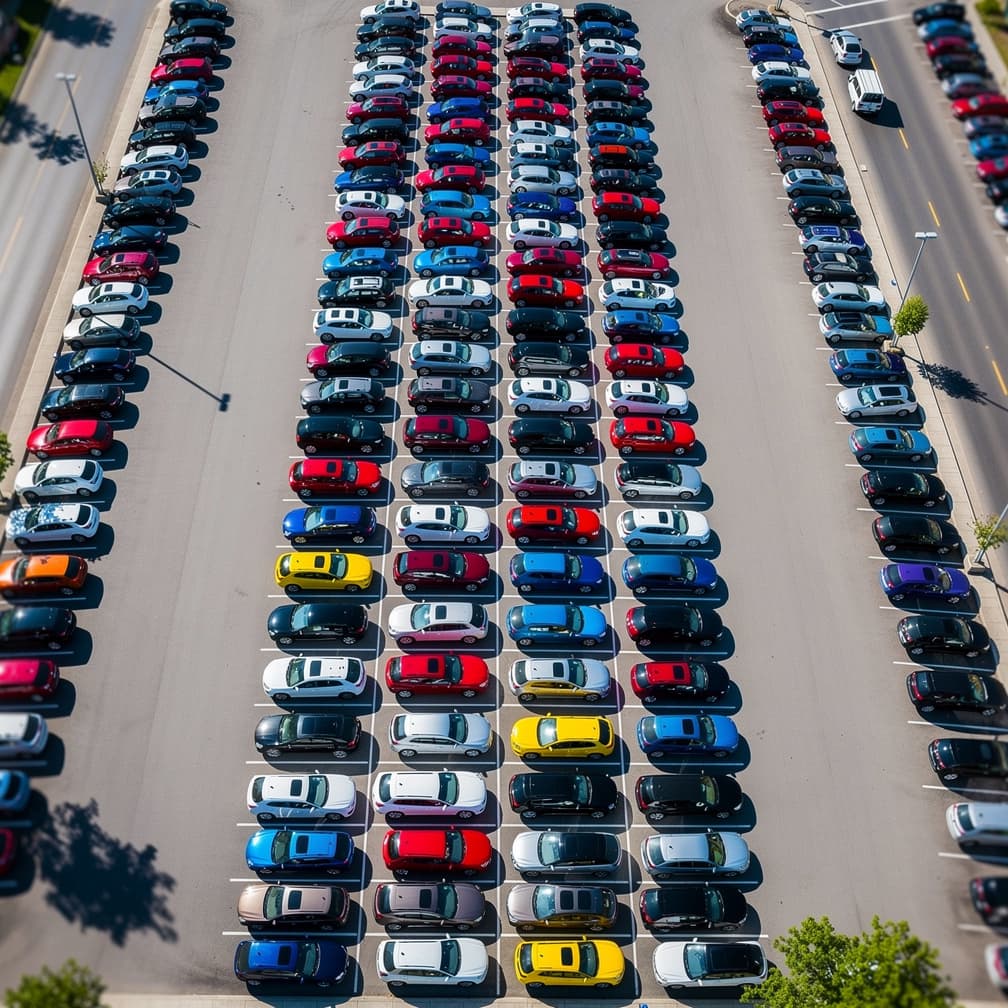
A small independent dealer with a single fenced lot presents one kind of exposure. A dealer that rotates units between a roadside lot, a recon area, and an overflow storage site presents another. That difference affects how you should review location schedules, reporting requirements, and any limits that apply by premises rather than across the whole operation.
You should also look closely at how the policy treats vehicles during ordinary dealership handling. That includes units being parked tightly for display, moved for snow clearing, repositioned for plowing access, or transferred between owned and leased storage areas. In Vermont, weather-driven movement can be part of normal operations. It is worth asking whether your policy language and declarations match the way your staff actually handles inventory during storms and cleanup.
If you store vehicles outdoors for long stretches, ask your agent to walk through claim scenarios tied to water, falling objects, theft, and vandalism. If you use temporary overflow space, confirm that address is scheduled correctly before a loss happens. If your inventory includes higher-value trucks, specialty vehicles, or seasonal units, review whether concentration at one location creates a limit problem.
Vermont is regulated by the Vermont Department of Financial Regulation, which means that agency oversees policy forms, endorsements, and consumer complaints. For you as a dealer, that matters because it determines what policy language is allowed in your state and where you would turn if a dispute over a claim or endorsement goes unresolved. As you compare options, ask for a plain-language explanation of what is covered at each lot and what documentation you would need after a loss.
Coverage Included

Weather Damage
Covers hail, wind, flood, and storm damage to lot inventory.
Theft Protection
Covers vehicles stolen from your lot.

Fire Damage
Covers fire and explosion damage to inventory vehicles.

Vandalism
Covers intentional damage to vehicles on your lot.
Test Drive Coverage
Covers vehicles during customer and employee test drives.
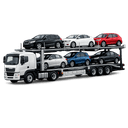
Transit Coverage
Covers vehicles being moved between lot locations.
Industries & Insurance Needs in South Burlington
Commercial density is the useful local context here. Chittenden County's leading sectors by establishment share are professional, scientific, and technical services at 13.7%, retail trade at 12.9%, and health care and social assistance at 11.4%, so a dealership often operates near offices, stores, and service destinations that keep surrounding traffic patterns active through the day. For dealer open lot coverage, that matters because underwriters may look closely at customer access, test-drive procedures, lot layout, and how clearly inventory areas are separated from general parking or neighboring activity. This is less about a special city rule and more about operational discipline in a denser commercial setting. If your lot uses overflow parking, shares entrances, or relies on staff to move vehicles frequently to keep the frontage merchandised, spell that out early in the application so the quote reflects the real exposure instead of a generic suburban lot assumption.
What Makes South Burlington Different
Commercial concentration is what changes the calculus here. In a market tied closely to the county's main retail and service corridors, your inventory is not sitting in isolation. It is sitting where customer visits, neighboring businesses, and routine vehicle movement can create more touchpoints around the lot. That does not automatically mean coverage is harder to place, but it does mean the quality of your controls becomes easier for an underwriter to test. A clean perimeter, documented key procedures, camera coverage that actually reaches the inventory rows, and a clear plan for after-hours vehicle storage can carry more weight than broad descriptions. South Burlington also tends to reward precision in how you describe the premises. If units are displayed in one area, staged in another, and occasionally parked off the main line, note each practice clearly. The more accurately your submission shows how inventory is stored and moved, the easier it is to review terms that fit the lot you run.
Our Recommendation for South Burlington
Start with the lot map, not the vehicle count. Mark customer parking, display rows, service areas, entrances, exits, and any place where units are held temporarily. Then document who can move inventory, where keys are kept, and what happens at closing each night. That level of detail is useful here because a busier commercial setting can make small operational gaps more important during underwriting. South Burlington's median household income is $97,229, so buyers may expect a cleaner retail experience and a broader mix of vehicle values on the lot. If your inventory includes higher-value units, ask your agent to review whether your limits, deductibles, and storage practices still line up with the way those vehicles are displayed. If you lease space, use overflow parking, or share access with another business, request that the quote review address those site details directly rather than assuming a single, self-contained lot.
Get Dealer Open Lot Insurance in South Burlington
Enter your ZIP code to compare dealer open lot insurance rates from carriers in South Burlington, VT.
Business insurance starting at $25/mo
FAQ
Frequently Asked Questions
South Burlington buyers should have a site diagram, inventory storage plan, key-control process, camera and lighting details, and any overflow parking information ready. Here, a denser commercial setting can make access points and vehicle movement patterns more important during underwriting.
South Burlington can change the underwriting conversation because your lot may sit near active retail and service traffic. Chittenden County has 5,676 business establishments, so shared entrances, customer parking flow, and neighboring activity are worth describing clearly.
Chittenden County matters because its leading sectors are professional services, retail, and health care, which can keep nearby corridors active throughout the day. That makes it smart to explain test-drive procedures, lot separation, and after-hours controls in detail.
South Burlington dealers should mention overflow storage whenever vehicles do not stay on the main display line. A quote is more reliable when it reflects every place inventory sits, even if units are only staged there temporarily.
South Burlington buyers should review limits and deductibles carefully if the lot carries higher-value units. The city's median household income is $97,229, so your inventory mix and presentation may call for a more specific discussion of storage and security controls.
In Vermont, landlords, floorplan lenders, and some auction or storage partners may ask for proof before they finalize access, financing, or unit release. Have your locations, inventory values, and contract requirements ready so the certificate reflects the actual operation.
Vermont dealers should assume every regular storage address needs to be reviewed. If inventory sits on a main lot, overflow lot, or separate service-area parcel, ask whether each location is scheduled correctly before binding coverage.
Vermont conditions can change how often vehicles are moved, clustered, or stored offsite, which affects underwriting and claims preparation. Review where units sit during storms, snow clearing, and overflow periods so the policy matches actual handling.
Sources
- 1.U.S. Census Bureau, County Business Patterns, Chittenden County(Chittenden County has 5,676 business establishments, so neighboring tenants, shared access points, delivery patterns, and customer parking flow can matter more here than they might at a more isolated rural lot.; Chittenden County's leading sectors by establishment share are professional, scientific, and technical services at 13.7%, retail trade at 12.9%, and health care and social assistance at 11.4%, so a dealership often operates near offices, stores, and service destinations that keep surrounding traffic patterns active through the day.)
- 2.U.S. Census Bureau, ACS 5-Year Estimates, table B19013(South Burlington's median household income is $97,229, so buyers may expect a cleaner retail experience and a broader mix of vehicle values on the lot.)
Updated July 5, 2026