







































Updated July 10, 2026

Garbage Collection Service Insurance in Virginia
If you run a waste hauling operation in Virginia, your insurance needs are shaped by route density, weather, and the way trucks move through neighborhoods, business parks, and loading areas. A garbage collection service insurance quote in Virginia should reflect commercial auto exposure, customer-facing liability, and the realities of hauling bins in places like Richmond, Norfolk, Virginia Beach, Roanoke, and Fairfax County. Virginia’s hurricane and flooding risk can disrupt service and increase vehicle accident and property damage exposure, while winter storms and severe weather can make curbside pickup more hazardous. For many operators, the right policy mix starts with general liability for garbage collection businesses, commercial auto insurance for garbage trucks, workers' compensation for waste haulers, and commercial umbrella coverage when higher coverage limits are needed. If your crew uses rented trucks, borrowed vehicles, or personal cars for business tasks, hired auto and non-owned auto should also be reviewed. The goal is to match your quote to how your routes actually run in Virginia, not just to a generic hauling profile.
Climate Risk Profile
Natural Disaster Risk in Virginia
Understanding climate-related risks helps determine appropriate insurance coverage levels.
Hurricane
High
Flooding
High
Severe Storm
Moderate
Winter Storm
Moderate
Expected Annual Loss from Natural Hazards
$1.2B
estimated economic loss per year across Virginia
Source: FEMA National Risk Index
Common Risks for Garbage Collection Service Businesses
- A garbage truck backs into a parked vehicle or gate while servicing a tight pickup route.
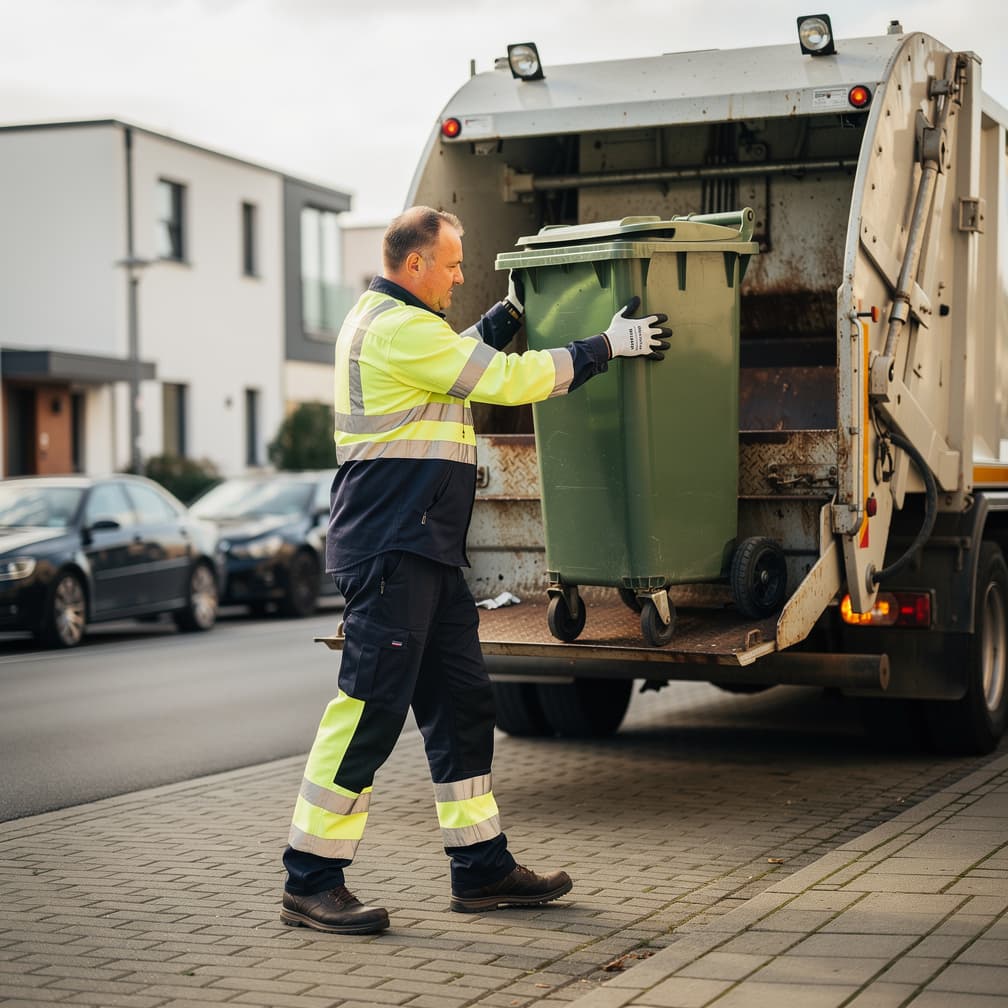
- A crew member is injured while lifting containers or moving bins between stops.
- A customer slips and falls near a collection point while the crew is on site.
- Loose debris or container handling causes property damage at a commercial account.
- A route delay, truck breakdown, or collision interrupts scheduled pickups and service commitments.
- A claim grows into a lawsuit that requires legal defense and higher coverage limits.
Risk Factors for Garbage Collection Service Businesses in Virginia
- Virginia hurricane exposure can interrupt routes, increase third-party claims, and create vehicle accident risk for garbage trucks traveling in wind, rain, and debris.
- Flooding in Virginia can affect collection yards, parked trucks, and customer access points, which can lead to property damage and cleanup-related liability concerns.
- Severe storms across Richmond, Norfolk, Virginia Beach, and other route-heavy areas can increase slip and fall exposure during curbside collection and bin service.
- Winter storm conditions in northern and mountain areas of Virginia can raise vehicle accident risk and increase collision and comprehensive claims for waste hauling fleets.
- Dense residential streets and mixed-use pickup zones in Virginia can increase customer injury and third-party claims when trucks operate close to pedestrians, cyclists, and parked cars.
How Virginia compares with the national baseline
Uninsured drivers
9.9% vs 11.6% baseline
About 9.9% of Virginia drivers are estimated to be uninsured, below the 11.6% average across states.
Fatal crashes per 100 million miles
1.11 vs 1.33 baseline
Virginia sees about 1.11 fatal crashes per 100 million miles driven, below the national average of 1.33.
Property crime per 100,000 residents
1,690 vs 2,200 baseline
Property crime in Virginia runs below the national average, at 1,690 vs 2,200 incidents per 100,000 residents.
Blue bar: Virginia. Gray line: national baseline.
How Much Does Garbage Collection Service Insurance Cost in Virginia?
Garbage Collection Service Insurance is a bundle of separate policies, priced separately. The ranges below are typical figures for Virginia for each line, except workers compensation, which is rated per $100 of payroll; a quote prices each one against your own operations.
| Coverage | Typical range | What moves your price |
|---|---|---|
| General Liability Insurance | $200 - $675 per month | Industry and risk classification, annual revenue, number of employees |
| Commercial Auto Insurance | $1,250 - $4,100 per month | Fleet size and vehicle types, driver records and experience, coverage limits and deductibles |
| Workers Compensation Insurance | $0.75 - $2.74 per $100 of payroll | Employee classification codes, total annual payroll, experience modification rate |
| Commercial Umbrella Insurance | $210 - $900 per month | Umbrella limit requested, limits carried on the underlying policies, loss history on those underlying policies |
Prices shown are general estimates, not guaranteed rates or quotes. Your actual premium will depend on the insurer, coverage selected, business details, location, claims history, and other underwriting factors. Learn about our pricing methodology.
Get Your Garbage Collection Service Insurance Quote in Virginia
Compare rates from multiple carriers. Free quotes, no obligation.
What Virginia Requires for Garbage Collection Service Insurance
Non-compliance can result in fines, loss of contracts, and personal liability:
- Virginia workers' compensation is required for businesses with 2 or more employees, with exemptions for sole proprietors, partners, corporate officers, and farm laborers.
- Commercial auto liability minimums in Virginia are $50,000/$100,000/$25,000 (raised effective January 1, 2025), so garbage trucks need at least those underlying limits before considering higher limits or umbrella coverage.
- Most commercial leases in Virginia require proof of general liability coverage, which matters for yards, transfer points, and office or garage space.
- Garbage hauling businesses should confirm that hired auto and non-owned auto are addressed if employees use rented, borrowed, or personal vehicles for business errands or route support.
- Quote requests should confirm coverage for fleet coverage, cargo damage, and liability exposures tied to collection operations, because those terms can vary by carrier and policy form.
- Policies should be reviewed for underlying policies and coverage limits before adding commercial umbrella insurance, since umbrella terms depend on the base auto and liability structure.
| Requirement | What Virginia law says |
|---|---|
| Auto liability minimums | $50,000/$100,000/$25,000 (bodily injury per person / per accident / property damage). These floors apply to personal and business vehicles alike; lenders and contracts often require more. |
| Workers compensation | Generally required once you have 2 or more employees. Some roles are exempt, so confirm current thresholds before you hire. |
| Where to verify | Virginia Bureau of Insurance publishes current requirements, consumer guides, and license lookups. |
Common Claims for Garbage Collection Service Businesses in Virginia
A garbage truck clips a parked vehicle on a narrow street in Virginia, leading to vehicle accident, property damage, and legal defense costs.
A resident trips while moving bins to the curb during a rainy pickup day, creating a customer injury claim and possible settlement demand.
A crew member strains a shoulder while handling heavy containers at a commercial stop, triggering workplace injury-related workers' compensation and rehabilitation expenses.
Preparing for Your Garbage Collection Service Insurance Quote in Virginia
A list of vehicles used for collection, including owned trucks, hired auto, and any non-owned auto exposure tied to employees.
Your employee count, since Virginia workers' compensation rules change at 2 or more employees.
Route details such as city, county, service area, and whether you work in dense neighborhoods, business districts, or rural pickup zones.
Current coverage limits, certificates of insurance needs, and any lease or contract requirements tied to general liability or umbrella coverage.
Coverage Considerations in Virginia
- General liability for garbage collection businesses to address bodily injury, property damage, slip and fall, and other third-party claims tied to pickup operations.
- Commercial auto insurance for garbage trucks with Virginia-compliant underlying policies and coverage limits, especially for route driving and fleet coverage.
- Workers' compensation for waste haulers when the business has 2 or more employees, with attention to medical costs, lost wages, and rehabilitation after workplace injury.
- Commercial umbrella insurance for higher coverage limits when a serious route-related lawsuit or catastrophic claims could exceed the base policy.
What Happens Without Proper Coverage?
Your losses do not stay neatly inside one policy bucket. A garbage truck can damage a parked car while turning into a service lane, and the same account can later produce a complaint that a container scraped a wall or blocked access to a storefront. A helper can slip while pulling a cart across wet pavement, or a customer can allege bodily injury after tripping near a can your crew set down during pickup. Garbage collection service insurance matters because your operation combines vehicle exposure, manual labor, and customer property contact on nearly every route.
Commercial auto insurance is usually the first place owners focus, and for good reason. Your trucks stop often, reverse often, and work in confined areas where one mistake can lead to expensive property damage or bodily injury claims. Yet auto coverage alone does not solve the whole problem. General liability can become just as important when the claim centers on customer premises, container handling, or alleged damage that is not simply a road accident.
Workers compensation deserves the same attention because route work is physically demanding. Drivers and helpers climb in and out of cabs, handle carts and containers, and work around moving equipment throughout the day. If an employee is hurt lifting, slipping, or being struck during service, you want payroll classifications and estimated remuneration reviewed carefully before the policy starts, not after a claim or audit.
You may also need insurance to win and keep work. Commercial customers, property managers, and public entities often ask for certificates of insurance before they let a hauler on site or sign a service agreement. Some contracts require higher liability limits, and that is often where commercial umbrella coverage enters the discussion. If you add larger accounts without revisiting your limits, you can end up contractually exposed even before a loss occurs.
The practical reason to review coverage now is simple: route changes, truck additions, and new contracts can outpace your current policy setup. Before renewing or bidding new work, compare your vehicle schedule to the units actually in service, verify who drives each truck, review payroll by job role, and check whether your liability limits still fit the accounts you are pursuing.
Recommended Coverage for Garbage Collection Service Businesses
Based on the risks and requirements above, garbage collection service businesses need these coverage types in Virginia:

General Liability
Essential coverage for every business, protect against third-party bodily injury, property damage, and advertising claims.

Commercial Auto
Protect your business vehicles and drivers with comprehensive commercial auto coverage.

Workers Compensation
Help cover your employees' medical expenses and lost wages for work-related injuries and illnesses.

Commercial Umbrella
Extend your liability limits beyond your primary policies for extra protection against catastrophic claims.
Garbage Collection Service Insurance by City in Virginia
Insurance needs and pricing for garbage collection service businesses can vary across Virginia. Find coverage information for your city:
Insurance Tips for Garbage Collection Service Owners
Schedule each garbage truck by its actual use, body type, garaging, and route pattern so your commercial auto quote reflects how that unit is really deployed.
Separate payroll for drivers, helpers, mechanics, and office staff before binding workers compensation, because blended estimates can create avoidable audit problems later.
Review customer contracts before you quote larger commercial or municipal work, since liability limits and certificate wording often drive whether your current program is adequate.
Match general liability discussions to real service tasks such as cart movement, container placement, and work on customer premises, not just broad descriptions of hauling.
Ask how newly acquired or spare trucks are handled under the policy, especially if you rotate units into service quickly during breakdowns or route expansion.
Consider commercial umbrella coverage when one severe auto loss or premises injury claim could exceed your primary limits and threaten contract compliance.
Bring loss runs, driver lists, and vehicle schedules to the quote process so underwriters can evaluate your operation based on actual route and fleet details.
FAQ
Frequently Asked Questions About Garbage Collection Service Insurance in Virginia
Most Virginia waste haulers start with general liability, commercial auto insurance for garbage trucks, and workers' compensation for waste haulers if they have 2 or more employees. Many also review commercial umbrella insurance for higher coverage limits and hired auto or non-owned auto if those vehicles are used in the business.
The average premium shown for Virginia is $77 to $308 per month, but the final garbage collection service insurance cost in Virginia varies by fleet size, route density, vehicle use, claims history, employee count, and the coverage limits you choose.
Virginia requires workers' compensation for businesses with 2 or more employees, and commercial auto liability minimums are $50,000/$100,000/$25,000 (raised effective January 1, 2025). Many commercial leases also require proof of general liability coverage, so operators should confirm those documents before signing space or contracts.
It can, but the policy needs to be built around your truck schedule, route use, and fleet coverage needs. In Virginia, the commercial auto section should at least meet the state minimums, and some operators add higher limits or umbrella coverage depending on their risk profile.
Yes. If your business has 2 or more employees, Virginia requires workers' compensation. That coverage is designed to help with medical costs, lost wages, and rehabilitation after a workplace injury or occupational illness tied to the job.
The core program pairs commercial auto, general liability, workers compensation, and often a commercial umbrella. Your final mix depends on the trucks, route type, crew duties, customer contracts, and how often employees work on customer premises.
Garbage trucks make frequent stops, back into tight areas, and operate near pedestrians, parked vehicles, and structures, which concentrates the claim potential of the fleet. Schedule each unit by driver, route pattern, and how the truck is actually used.
It can, for third party bodily injury or property damage tied to service activities, subject to policy terms. Container handling, cart placement, and work performed on customer property are the typical scenarios to walk through with the insurer.
Updated March 31, 2026