







































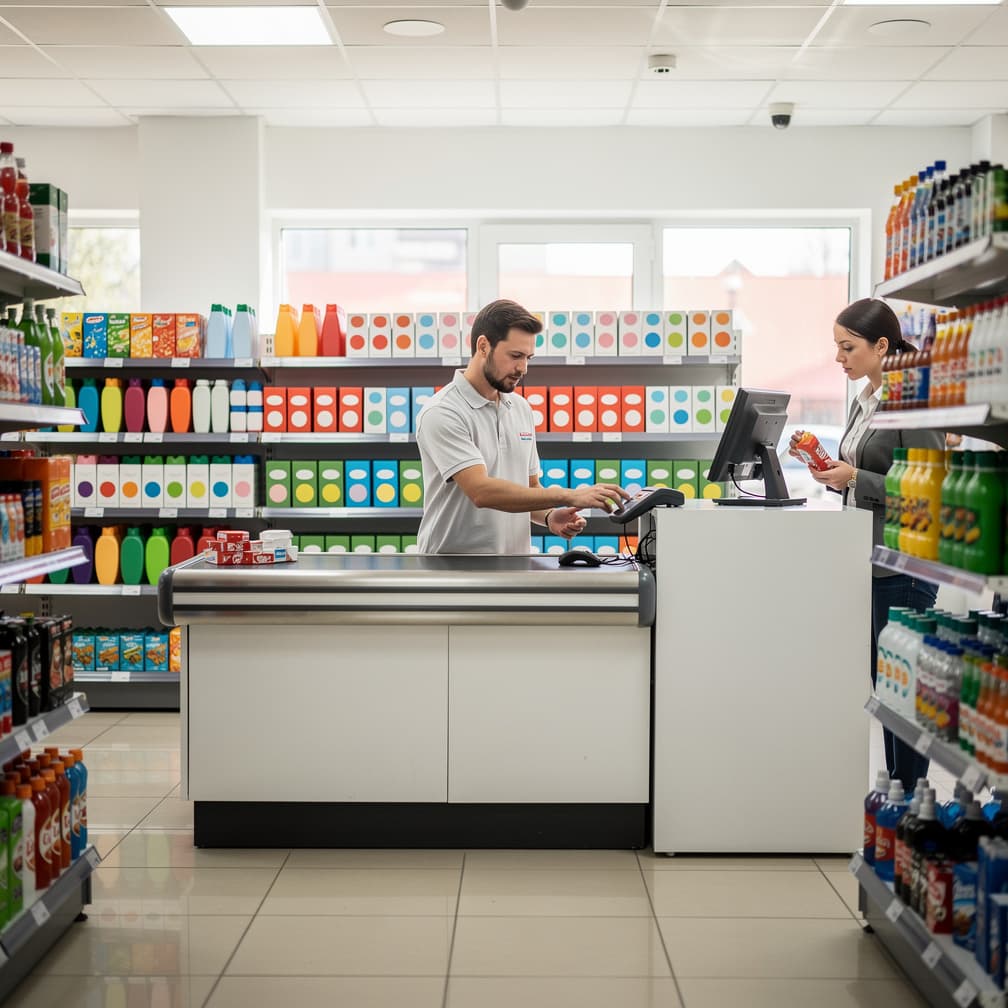

Theft at a store rarely looks like the movie version. It looks like a register that reads short two nights running, a case of product walking out during a rush, or a back door propped open for a delivery. Convenience store insurance in Norfolk treats those as separate problems with separate answers, and the one that surprises owners most is employee dishonesty, which sits outside a standard liability form. Cash on hand, lottery proceeds, and the drawer itself get underwritten on how they are handled, not on how much they total. A quote will ask about your closing procedure. Participating carriers in Virginia weigh that answer differently, which is the whole reason to gather more than one.
What Makes Norfolk Different
Distance from a fire station and a hydrant in Norfolk shapes property pricing more than owners realize. Protection class ratings are objective and published, and they follow the address rather than the business. A store outside town in Norfolk can sit in a class that limits which carriers will quote. That is not a judgment about your store; it is a map, and maps change slowly. Sprinklers, alarms, and monitored systems can pull a file back toward the middle of a range. Each upgrade carries a cost and a payback period worth calculating before your next renewal. Ask a quote to show what changes if a monitored alarm goes in this quarter. A number attached to that answer turns a vague upgrade into a decision you can make.
Local Risk Factors in Norfolk
Generators, fuel, and a plan for the coolers decide what a hurricane costs a store, more than the wind speed does. Power out for days turns an entire refrigerated section into waste, and spoilage is commonly an endorsement rather than an assumption. Ask what the sublimit is and whether an outage beyond your walls counts, since a storm that never touches your roof can still empty the cases in Norfolk. Commercial Property generally addresses the physical damage; the spoiled stock rides on the endorsement you either bought or skipped. Confirm both before the season opens in Virginia, because binding restrictions can arrive well ahead of the weather.
What Coverage Does a Convenience Store in Norfolk Need?
General Liability
A shopper goes down near the beverage station, and the medical bills arrive well before the lawsuit does. This is the line generally meant for third-party injury and property damage on your floor, and it is what a landlord names in a lease exhibit. It typically leaves out injuries to your own staff, which belong on workers compensation instead.
Example: A stack of cases tips as a customer reaches past it and she breaks a wrist; general liability can help cover the treatment and the claim her lawyer files afterward.
Commercial Property
Lenders and landlords ask for it, and the coolers, shelving, counters, and stock inside your walls are why you would want it regardless. It may respond to fire, wind, and theft damage to the building and the contents you own. Flood typically sits outside the form, and equipment that simply wore out reads as maintenance rather than a loss.
Example: Fire from an electrical fault in the back room chars the stockroom and smokes the shelves; commercial property may answer for the rebuild and for the inventory that came out with it.
Commercial Crime
Money is not inventory, and a standard property form treats it that way. This is the line usually written for stolen cash, lottery proceeds, forged instruments, and employee dishonesty, with separate limits for money on the premises and money in transit. Underwriters price the procedure behind the drawer rather than the balance in it, so a written closing routine carries weight.
Example: A trusted clerk voids sales for months and pockets the difference before a count in Norfolk finds the pattern; commercial crime could pick up the loss once it is documented.
Workers Compensation
Payroll is the basis and duties set the rate, which is why classifying each clerk and stocker matters more than headcount does. It is generally the line for on-the-job injuries: a back strained lifting cases, a hand cut breaking down cardboard, a fall inside a walk-in. Thresholds for who counts as an employee vary, and the Virginia Bureau of Insurance publishes the current requirements for Virginia.
Example: A stocker slips on a wet freezer floor and misses six weeks; workers compensation is designed to take on the medical care and part of the wages he loses while out.
Business Owners Policy
Where the property and liability sides get bought as two separate contracts, a package folds them into one and often prices better than the pieces do apart. For a small store it is a common starting structure. Workers compensation stays outside it, the crime limit inside tends to be modest, and spoilage may have to be added back by endorsement.
Example: A storm takes the sign down and a shopper trips over the debris the next morning in Norfolk; a business owners policy might handle both sides of that week under one claim number.
How Much Does Convenience Store Insurance Cost in Norfolk?
Convenience Store Insurance is a bundle of separate policies, priced separately. The ranges below are typical figures for Norfolk for each line, except workers compensation, which is rated per $100 of payroll; a quote prices each one against your own operations.
| Coverage | Typical range | What moves your price |
|---|---|---|
| General Liability Insurance | $90 - $280 per month | Industry and risk classification, annual revenue, number of employees |
| Commercial Property Insurance | $150 - $525 per month | Building value and construction type, roof age and condition, fire protection class |
| Commercial Crime Insurance | $25 - $100 per month | Employees who handle money or inventory, internal controls and separation of duties, funds and securities on hand |
| Workers Compensation Insurance | $0.75 - $2.74 per $100 of payroll | Employee classification codes, total annual payroll, experience modification rate |
| Business Owners Policy Insurance | $160 - $500 per month | Annual revenue and industry class, building and contents values, square footage and building age |
Prices shown are general estimates, not guaranteed rates or quotes. Your actual premium will depend on the insurer, coverage selected, business details, location, claims history, and other underwriting factors. Learn about our pricing methodology.
What Are the Insurance Requirements for a Convenience Store in Norfolk?
Workers' comp is generally required once you have 2 or more employees. Virginia generally requires employers to carry workers' compensation at that point. Common exemptions include sole proprietors, partners, and corporate officers. Confirm current thresholds with your state's workers' compensation agency before you hire.
Flood damage is typically excluded from standard policies. Standard commercial property and builders-risk-type policies typically exclude flood. Given Norfolk's coastal flood exposure, a separate flood policy is worth pricing; FEMA's National Flood Insurance Program is the usual starting point.
Where to verify licensing and coverage rules. The Virginia Bureau of Insurance publishes consumer guidance and current insurance requirements for Virginia businesses. When a contract or lease demands specific wording, the Virginia Bureau of Insurance's guidance is the authoritative place to check.
Get Your Convenience Store Quote in Norfolk
Compare rates from multiple carriers. Free quotes, no obligation.
Operating in Norfolk
- In a strip center the landlord may insure the roof while you insure everything underneath it, so one leak in Norfolk becomes two adjusters, two policies, and a single puddle in your stockroom.
- Turnover means the clerk closing this week may never have watched the closing routine performed once. Training records cost nothing to keep and they are the first thing an underwriter gives credit for.
- A maintenance log for the coolers separates a spoilage claim from a wear-and-tear argument. A compressor that quit after years of neglect reads as a maintenance issue rather than a sudden loss.
- Broken glass at a Norfolk storefront costs you twice: the board-up and the replacement, then whatever left the shelves while the opening sat unattended. Both halves belong in one claim conversation.
How to Buy: Advice for Norfolk Owners
Gather your numbers before you call anyone: annual revenue, payroll by role, hours of operation, square footage, the year the roof was last done, and a list of what sits in the coolers. Workers Compensation is rated on payroll and duties, so an estimate you invent becomes an audit bill you never budgeted. General Liability wants your sales and your foot traffic. Commercial Property wants replacement cost, not what you paid. A quote built on guesses gets re-rated later, and the correction only moves one direction. The application asks narrow questions for exactly that reason. The Virginia Bureau of Insurance publishes consumer guidance on how premium audits work. Answer once, carefully, and let CPK put that same submission in front of participating carriers writing in Norfolk.
FAQ
Convenience Store Insurance in Norfolk: FAQ
Sometimes, and rarely by default. Spoilage is commonly written as an endorsement carrying its own sublimit, and the answer can depend on whether the cause was equipment breakdown or a power failure off your premises. Both are often separate buy-backs. Ask every quote three things: is spoilage included, what is the sublimit, and does an outage beyond your walls count. Those answers vary more between carriers than the premium does.
Yes, and the request is ordinary. Additional insured status extends certain rights under your liability policy to that company, and it takes an endorsement your carrier has to issue. A certificate alone does not accomplish it, even when the certificate lists the company as a holder. Send the vendor's exact wording to the carrier and confirm in writing that the form matches before deliveries begin.
One number caps what a single claim can draw; the other caps everything the term can draw in total. A store that has a slip at the entrance and a separate incident at the counter in one year can find the aggregate doing quiet work in the background. Owners read the first number and forget the second, then meet it later. Both sit on the declarations page, and comparing quotes on only one of them is not a comparison.
Not under a standard liability form. Employee dishonesty is generally the province of a commercial crime policy, and it is the exposure owners skip most often. Underwriters price it on procedure: who counts the drawer, who has safe access, whether two people ever reconcile a shift together. A written closing routine can move that price, and it also makes a loss far easier to prove when one happens.
No. Flood sits outside a standard commercial property form and gets priced as its own decision, usually through a separate policy. That catches owners who assume any water event counts as a storm event. Wind-driven rain through a roof a storm just opened is treated differently from rising water coming under the door. If your building in Norfolk sits where water collects, ask about flood before you compare monthly figures.
Expect questions about revenue, payroll by role, hours, square footage, building age and roof condition, security equipment, whether you prepare hot food, and your loss history from prior carriers. Order your own loss runs first so nothing inside them surprises you mid-quote. Estimates you invent get corrected at audit, and that correction travels one direction only. An hour of gathering beats a week of shopping.
Sources
- 1.Virginia Bureau of Insurance(Virginia Bureau of Insurance publishes consumer guidance for insurance buyers.)
- 2.FEMA / FloodSmart(Flood coverage is typically purchased separately; FEMA administers the National Flood Insurance Program.)


