








































Updated July 16, 2026

Inland Marine Insurance in Norfolk
Property managers, lenders, prime contractors, and event venues often want proof that mobile equipment, installation materials, or customer property is insured before they hand over keys, approve a draw, or let work start. Satisfying that request usually means showing a certificate that matches how your property actually moves. That could mean tools hauled between apartment turns in Ghent, materials staged for commercial work near Military Highway, or equipment loaded in and out for waterfront events and service calls. They want to know whether your covered property, transit pattern, and temporary storage setup fit the job you are taking on. If your schedule includes multiple stops in a week, borrowed trailers, or property left overnight at a client site, you may want those details reviewed before you send proof of coverage.
Inland Marine Insurance Risk Factors in Norfolk
Norfolk changes the inland marine conversation because mobile property here is often exposed to water, wind, and short-term staging conditions, not just theft from a truck. If your business loads equipment near the waterfront, leaves materials at partially enclosed sites, or moves stock between vehicles and temporary locations during changing weather, ask how the policy treats **property in transit versus property at a job site**. That distinction can decide whether a loss is reviewed under the terms you expected. The city angle is less about a special local form and more about tighter scheduling discipline. You should inventory what stays in vehicles overnight, what is dropped at a site, and what is signed over to a subcontractor or venue. Then match those movements to itemized equipment, installation floaters, or broader contractors equipment wording as needed. Here, a vague application can leave too much room between how property actually moves and how it is described on the policy.
Virginia has a moderate climate risk rating. Top hazards: Hurricane (High), Flooding (High), Severe Storm (Moderate), Winter Storm (Moderate). The state's expected annual loss from natural hazards is $1.2B, which influences inland marine insurance premiums and may affect coverage availability in high-risk areas.
What Inland Marine Insurance Covers
In Virginia, inland marine insurance is designed for business property that moves between locations or stays away from your main premises, including tools, equipment, materials, and goods being transported over land. The coverage typically follows the property to job sites, customer locations, and temporary storage, which is important for businesses working in places like Richmond, Norfolk, Virginia Beach, Roanoke, or Arlington where projects may shift frequently. The main coverage groups include tools and equipment, goods in transit, contractors equipment, installation floater, and builders risk. That means a contractor can insure portable tools, a business can protect materials while they are being delivered, and a project owner can consider builders risk for materials used in construction. Virginia does not add a special statewide mandate for this coverage, but the policy still has to fit the business size, industry, and the property being scheduled or described in the application. Coverage terms vary by carrier, and exclusions or endorsements can differ depending on limits, deductibles, and the type of property being moved. Because Virginia is regulated by the Virginia Bureau of Insurance, buyers should compare forms carefully and confirm how offsite storage, job-site property, and installation-related materials are handled before binding.
Coverage Included
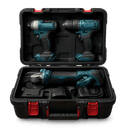
Tools & Equipment
Can help repair or replace hand tools, power tools, and gear that are stolen or damaged on the job or in transit.

Goods in Transit
May cover products, materials, and merchandise while they are being shipped or hauled between locations in your care.
Contractors Equipment
Typically covers heavy machinery like excavators, loaders, and generators against theft or damage at job sites and between them.

Installation Floater
Can help cover materials and fixtures from the moment you buy them until they are installed and accepted at a project.

Builders Risk
May cover a structure under construction, along with materials on site, against damage from fire, wind, theft, and vandalism.
Inland Marine Insurance Cost in Norfolk
Average Cost in Virginia
$20 - $110
per month
Businesses in Virginia typically see inland marine insurance premiums of $20 - $110 per month, which tends to run 8% above the national range of $20 - $100 per month.
- Total insured value of the scheduled property
- Type and age of the equipment
- Where it is stored and how far it travels
- Jobsite security and theft prevention
- Per-item limits and deductibles
- Prior theft and in-transit losses
Contact CPK Insurance for a personalized quote.
Prices shown are general estimates, not guaranteed rates or quotes. Your actual premium will depend on the insurer, coverage selected, business details, location, claims history, and other underwriting factors. Learn about our pricing methodology.
A contractor moving expensive tools through storm-prone parts of the state may pay differently than a small service business carrying lighter mobile property across a shorter route. Climate also matters here because Virginia has significant hurricane and flooding risk, and the disaster history includes recent severe storms and tropical systems that caused billions in estimated damage. That history has led some carriers to tighten underwriting on goods stored in flood-prone counties or transported through coastal corridors during storm season, which means you may face stricter storage requirements or higher deductibles in those areas. The state's strong small-business base also means many policies are tailored to lean operations, where the insured value is often concentrated in a few high-use items. The actual quote will depend on the property list, territory, and selected endorsements, so a personalized comparison is the most reliable way to see real pricing.
Industries & Insurance Needs in Norfolk
County business mix is the local clue. The county containing Norfolk has 5,400 business establishments, and the largest establishment shares are retail trade at 14.1%, health care and social assistance at 12.9%, and professional, scientific, and technical services at 11.8%, so inland marine demand here often comes from businesses moving higher-value property between locations rather than storing everything at one permanent premises. That changes what you should ask for in a quote. A retailer may need stock or display property reviewed while it is off-site. A health-related operation may need mobile equipment or diagnostic tools scheduled carefully. A professional or technical firm may need coverage reviewed for instruments, cameras, testing gear, or client property taken into the field. Instead of asking for a generic inland marine policy, list the property classes you move, the largest single item values, and whether anything is regularly left at temporary locations.
What Makes Norfolk Different
In Norfolk, a lot of inland marine buying starts because another party wants evidence that your mobile property exposure is actually insured before access, funding, or work begins. That pushes the decision away from a simple yes or no purchase and toward documentation quality. If your certificate holder is a property manager, lender, venue, or upstream contractor, they usually care whether the policy description fits the property you bring on site, not just whether you carry business insurance somewhere else. When a certificate holder scrutinizes your paperwork, a classification mistake can turn into a rejected job. If you describe everything as tools but you also transport installation materials, rented equipment, or customer property, the paperwork can look acceptable while the underlying fit is weak. Buy this coverage with the certificate request in mind. Review item categories, transit exposures, temporary storage, and any contract language before you promise proof, because that is often the moment a gap becomes visible.
Our Recommendation for Norfolk
Build your property list first, then match it to a form. If you work here across apartments, commercial sites, medical offices, schools, or event spaces, separate owned tools, installation materials, rented equipment, and customer property before you request terms. That gives the quote a better chance of matching real exposure. From there, map where losses could happen, since property can be damaged in a vehicle, during loading, at a temporary site, or while waiting for installation. Each of those situations may call for different wording in your policy. If a contract requires proof fast, do not send a certificate request until the covered property description is accurate enough to support it. The county containing Norfolk includes 5,400 business establishments. That volume means your certificate likely lands on a desk where someone reads the fine print. If you want fewer surprises, you may want to check whether sublimits, deductibles, and valuation fit your highest-value item and your most common overnight storage setup. Then compare those terms before binding.
Get Inland Marine Insurance in Norfolk
Enter your ZIP code to compare inland marine insurance rates from carriers in Norfolk, VA.
Business insurance starting at $25/mo
FAQ
Frequently Asked Questions
Norfolk property managers often ask before unit turns, renovations, or vendor access begins. If your tools, materials, or rented equipment move between sites, you may want the covered property description reviewed before you send a certificate so the proof lines up with the job.
Norfolk businesses often need that exposure reviewed separately from property in transit. If equipment or materials stay overnight at a temporary location, you may want to ask how the policy treats job-site storage, item limits, and any exclusions tied to where property is left.
Norfolk city county data shows 5,400 establishments, with retail trade, health care and social assistance, and professional, scientific, and technical services leading by share. Those sectors tend to move stock, instruments, and client property in ways that a standard property policy may not address.
Norfolk retailers and service firms should list the property that actually leaves the premises, including tools, stock, displays, instruments, or customer items. Sorting those categories clearly lets you weigh limits and policy wording side by side.
Norfolk businesses with policy or complaint questions in Virginia can look to the Virginia Bureau of Insurance. For buying decisions, the more useful step is usually walking through your property schedule, transit pattern, and temporary storage details before coverage is bound.
In Virginia, it may help cover business property that moves over land, including tools, equipment, materials, and goods being transported between locations, subject to your carrier's form and exclusions. The key is that the property is not limited to your fixed business address.
It is designed to follow covered property while it is away from your main location, including job sites and temporary storage. In Virginia, you should confirm the carrier's wording because storage conditions and location details can affect how the policy responds.
Contractors, electricians, plumbers, landscapers, photographers, caterers, IT service providers, and other businesses that move valuable property regularly are common Virginia buyers. Businesses that ship goods or hold customer property may also need it.
Sources
- 1.U.S. Census Bureau, County Business Patterns, Norfolk city(The county containing Norfolk has 5,400 business establishments.; The largest establishment shares in the county containing Norfolk are retail trade at 14.1%, health care and social assistance at 12.9%, and professional, scientific, and technical services at 11.8%.)
- 2.Virginia Bureau of Insurance(Virginia's insurance regulator is the Virginia Bureau of Insurance.)
Updated July 16, 2026





