







































Updated July 16, 2026

Car Insurance in Richmond
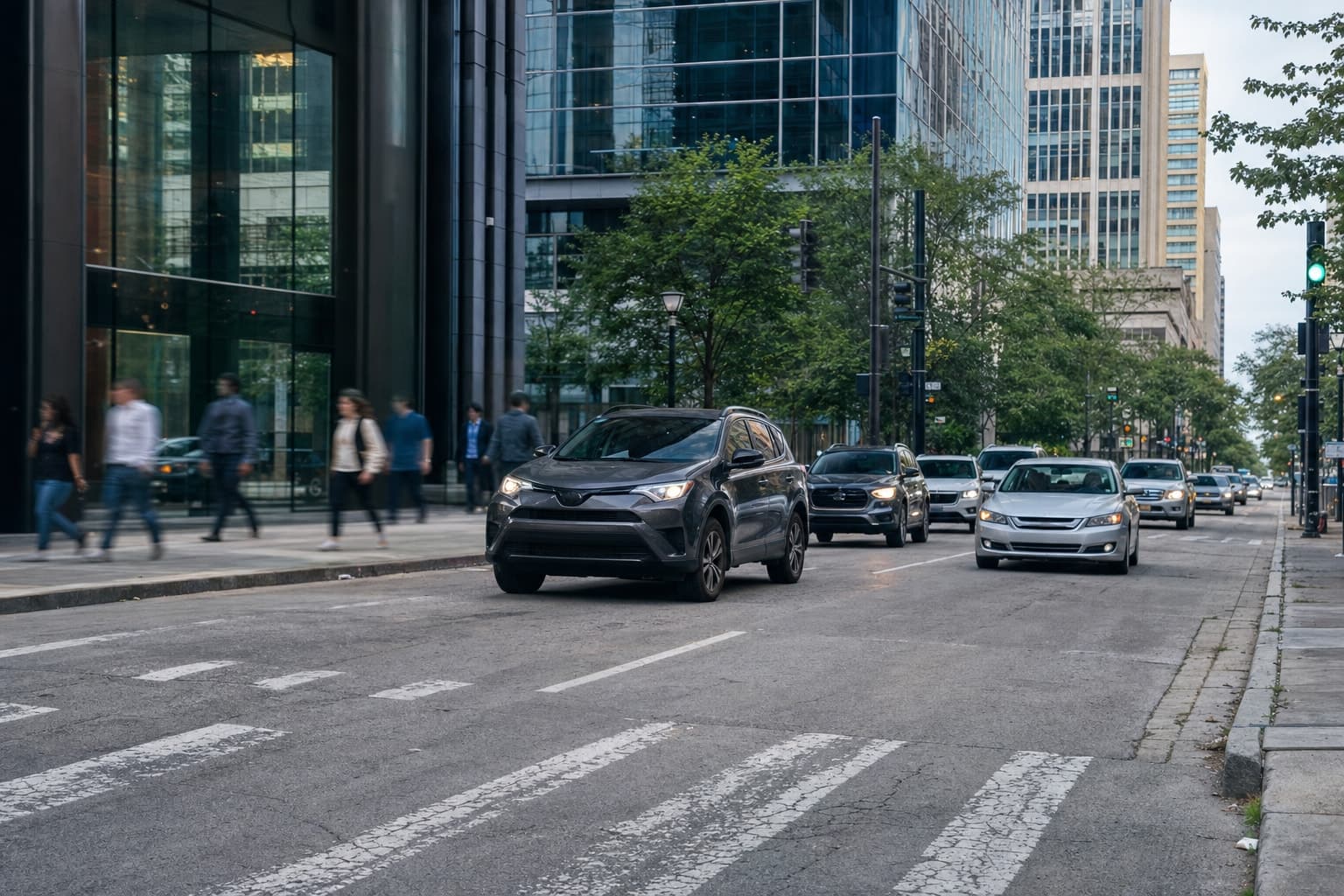
Professional, scientific, and technical services lead the county economy around Richmond at 14.7% of establishments, ahead of retail trade at 12.1% and other services at 11.6%. That mix means your neighbors are likely driving to client meetings, running errands between offices, and making short urban trips with frequent parking changes. Your exposure usually comes down to trip frequency, parking location, and whether the car doubles as a work tool during the week. If your routine mixes downtown garages, neighborhood street parking, and quick runs between appointments, it is worth reviewing your full coverage setup and any business-use questions before you renew.
Virginia has a moderate climate risk rating. Top hazards: Hurricane (High), Flooding (High), Severe Storm (Moderate), Winter Storm (Moderate). The state's expected annual loss from natural hazards is $1.2B, which influences car insurance premiums and may affect coverage availability in high-risk areas.
What Car Insurance Covers
Car insurance in Virginia generally centers on liability, collision, comprehensive, uninsured motorist, medical payments, and rental reimbursement. Liability may help pay for injuries you cause to others and damage you cause in an auto accident. Collision may help with repairs or replacement of your own vehicle after a crash, while comprehensive is the part that may help with non-collision losses such as theft, weather-related damage, and similar events. That distinction matters in a state with high weather and flooding risk. Uninsured motorist coverage is important because a notable share of Virginia drivers lack insurance, so it may help when the other driver does not have enough protection. Medical payments coverage may help with covered medical expenses after a crash, and rental reimbursement may help with transportation while your car is being repaired if you add it to the policy.
The state commercial auto minimum is $50,000/$100,000/$25,000, raised effective January 1, 2025, but personal policy options vary by carrier and by the way the vehicle is used. You may see a wide range of quote structures even when the coverage is similar.
Coverage Included

Liability
Can help pay for injuries and property damage you cause to others in an accident, coverage most states require drivers to carry.
Collision
Can help pay to repair or replace your car after a crash with another vehicle or object, regardless of fault.

Comprehensive
Typically covers damage to your car from events other than collisions, such as theft, hail, fire, flooding, or hitting an animal.

Uninsured Motorist
May pay for your injuries and, in some states, car damage when an at-fault driver has no insurance or too little.

Medical Payments
Can help cover medical bills for you and your passengers after an accident, no matter who was at fault.

Rental Reimbursement
May pay for a rental car while your vehicle is in the shop for repairs after a covered claim.
Car Insurance Cost in Richmond
Average Cost in Virginia
$75 - $200
per month
In Virginia, car insurance premiums typically run $75 - $200 per month, which tends to run 19% below the national range of $110 - $230 per month.
- Driving record and age
- Vehicle make, model, and year
- Location and commute distance
- Credit-based insurance score
- Coverage limits and deductibles
Contact CPK Insurance for a personalized quote.
Prices shown are general estimates, not guaranteed rates or quotes. Your actual premium will depend on the insurer, coverage selected, personal details, location, claims history, and other underwriting factors. Learn about our pricing methodology.
The average premium range for Virginia is $75 to $200 per month, which is close to the national average based on the state premium index of 96. That range can move up or down depending on coverage limits and deductibles, claims history, location, policy endorsements, and your vehicle profile. Location matters in a practical way because coastal and storm-exposed areas face weather and flooding risk, while some urban locations may see more theft pressure. The state's top motor vehicle theft rate is 1,532.3 incidents per 100,000 residents and it is trending upward, meaning a vehicle in the hardest-hit city is roughly fifteen times more likely to be stolen than the national average. Those conditions can affect how insurers price comprehensive and collision coverage, especially when a vehicle is parked outdoors or driven frequently in denser traffic.
Your quote can also be influenced by how expensive claims tend to be in your area, since carriers use local loss patterns to set prices. Higher deductibles can reduce monthly premium but increase what you pay after a loss. If you are comparing cost, ask each carrier how liability limits, uninsured motorist coverage, and rental reimbursement affect the total premium before you decide.
What Makes Richmond Different
The county also has 6,441 business establishments. More businesses mean more delivery vans, customer traffic, and service vehicles sharing the same streets as you. Even personal drivers should think about congestion, parking-lot incidents, and uninsured-loss scenarios when choosing limits. Your weekly pattern matters: where the car sits during work hours, and whether anyone in your household uses it for side work or client visits.
In a market shaped by office, retail, and service activity, many drivers make repeated short trips, park in different places during the day, and mix personal errands with work-adjacent use. A county economy weighted toward professional services, retail, and other services creates steady turnover in lots, garages, curbside spaces, and commercial corridors. Small collision claims and coverage-gap questions tend to follow from that pattern.
If you sometimes carry work materials, visit clients, or use your car between job sites, ask whether your current policy classifies that use the way you think it does. A car kept in a garage overnight but left on the street or in public decks during the day may call for a different deductible balance than a vehicle parked at home most of the time. Check comprehensive deductibles and glass options with the same care you give liability limits.
Our Recommendation for Richmond
Start with how the car is actually used. If your week includes client visits, errands for a business, or transporting tools, documents, or samples, ask the agent to confirm how that use is treated. A vehicle parked in different spots throughout the week faces different risks than one sitting in a home driveway, so match your coverage to that parking reality. You should also weigh liability limits against local traffic density, especially if you regularly drive through retail corridors or busy office areas where multi-vehicle incidents can happen.
If your household has more than one driver, compare quote options with and without rental reimbursement so a temporary loss of the car does not disrupt work. Richmond households have a median income of $62,671. A premium that eats too much of that budget can tempt you to skimp on limits, which is exactly when a single claim does the most damage. Ask for side-by-side options and decide which deductible you could comfortably absorb after a claim.
Get Car Insurance in Richmond
Enter your ZIP code to compare car insurance rates from carriers in Richmond, VA.
Car insurance starting at $59/mo
FAQ
Frequently Asked Questions
Yes. Local driving often mixes personal and business-adjacent use, and that can affect how an insurer classifies the vehicle and which coverages you should review.
If your car moves between garages, street spaces, and lots during the week, look beyond the minimum liability setup and compare your broader coverage options side by side.
Richmond city county has 6,441 business establishments. All those extra vehicles raise the odds of a parking-lot scrape or a minor collision, which makes your deductible and liability choices more important.
The better choice is often the option that keeps premiums manageable without leaving you exposed to an uncomfortable out-of-pocket bill.
Drivers with a policy dispute can check complaint and consumer resources through the Virginia Bureau of Insurance. Review your declarations page, endorsements, and claim correspondence first so your question is specific.
After an auto accident, liability coverage may help with injuries or damage you cause to others, while collision coverage may help repair your own vehicle. If the other driver is uninsured, uninsured motorist coverage may be especially important because a notable share of Virginia drivers lack coverage.
You should confirm the policy meets the Virginia Bureau of Insurance rules and then compare the limits, deductibles, and endorsements on the quote. Commercial auto minimums are also listed, but personal policy needs can vary by driver and carrier.
Virginia drivers typically pay between $75 and $200 per month, though your exact quote depends on coverage limits, deductibles, claims history, location, and vehicle profile. A driver in Richmond with a clean record and higher deductibles may land near the lower end, while a coastal resident with full coverage and a newer vehicle may see the higher end of that range.
Sources
- 1.U.S. Census Bureau, County Business Patterns, Richmond city(Professional, scientific, and technical services lead the county economy around Richmond at 14.7% of establishments, ahead of retail trade at 12.1% and other services at 11.6%.; The county also has 6,441 business establishments.)
- 2.U.S. Census Bureau, ACS 5-Year Estimates, table B19013(Richmond households have a median income of $62,671.)
- 3.Virginia Bureau of Insurance(Richmond drivers with a policy dispute can check complaint and consumer resources through the Virginia Bureau of Insurance.)
Updated July 16, 2026





