







































Updated July 16, 2026

Inland Marine Insurance in Richmond
The decision usually shows up at a practical moment. You sign a lease for a studio near Scott's Addition, line up a downtown renovation, or start carrying higher-value tools and client property between a shop, a van, and a temporary work site. That is when inland marine insurance in Richmond becomes a coverage review, not a theory. A local buyer often needs to think less about a single building and more about property that keeps changing address during the week. That can mean contractor equipment unloaded before dawn, retail inventory headed to a pop-up event, or laptops, cameras, and diagnostic gear moving between client locations. The county containing Richmond has roughly 6,441 business establishments, so a landlord or general contractor may be juggling dozens of vendor files at once and will not slow down to chase your paperwork. If your property regularly leaves your main address, the useful question is specific: whether your current policy follows your gear the way your operation actually works.
Inland Marine Insurance Risk Factors in Richmond
Richmond's top risk factors include Flooding, Hurricane damage, Coastal storm surge, and Wind damage.
Virginia has a moderate climate risk rating. Top hazards: Hurricane (High), Flooding (High), Severe Storm (Moderate), Winter Storm (Moderate). The state's expected annual loss from natural hazards is $1.2B, which influences inland marine insurance premiums and may affect coverage availability in high-risk areas.
What Inland Marine Insurance Covers
In Virginia, inland marine insurance is designed for business property that moves between locations or stays away from your main premises, including tools, equipment, materials, and goods being transported over land. The coverage typically follows the property to job sites, customer locations, and temporary storage, which is important for businesses working in places like Richmond, Norfolk, Virginia Beach, Roanoke, or Arlington where projects may shift frequently. The main coverage groups include tools and equipment, goods in transit, contractors equipment, installation floater, and builders risk. That means a contractor can insure portable tools, a business can protect materials while they are being delivered, and a project owner can consider builders risk for materials used in construction. Virginia does not add a special statewide mandate for this coverage, but the policy still has to fit the business size, industry, and the property being scheduled or described in the application. Coverage terms vary by carrier, and exclusions or endorsements can differ depending on limits, deductibles, and the type of property being moved. Because Virginia is regulated by the Virginia Bureau of Insurance, buyers should compare forms carefully and confirm how offsite storage, job-site property, and installation-related materials are handled before binding.
Coverage Included
Tools & Equipment
Can help repair or replace hand tools, power tools, and gear that are stolen or damaged on the job or in transit.

Goods in Transit
May cover products, materials, and merchandise while they are being shipped or hauled between locations in your care.

Contractors Equipment
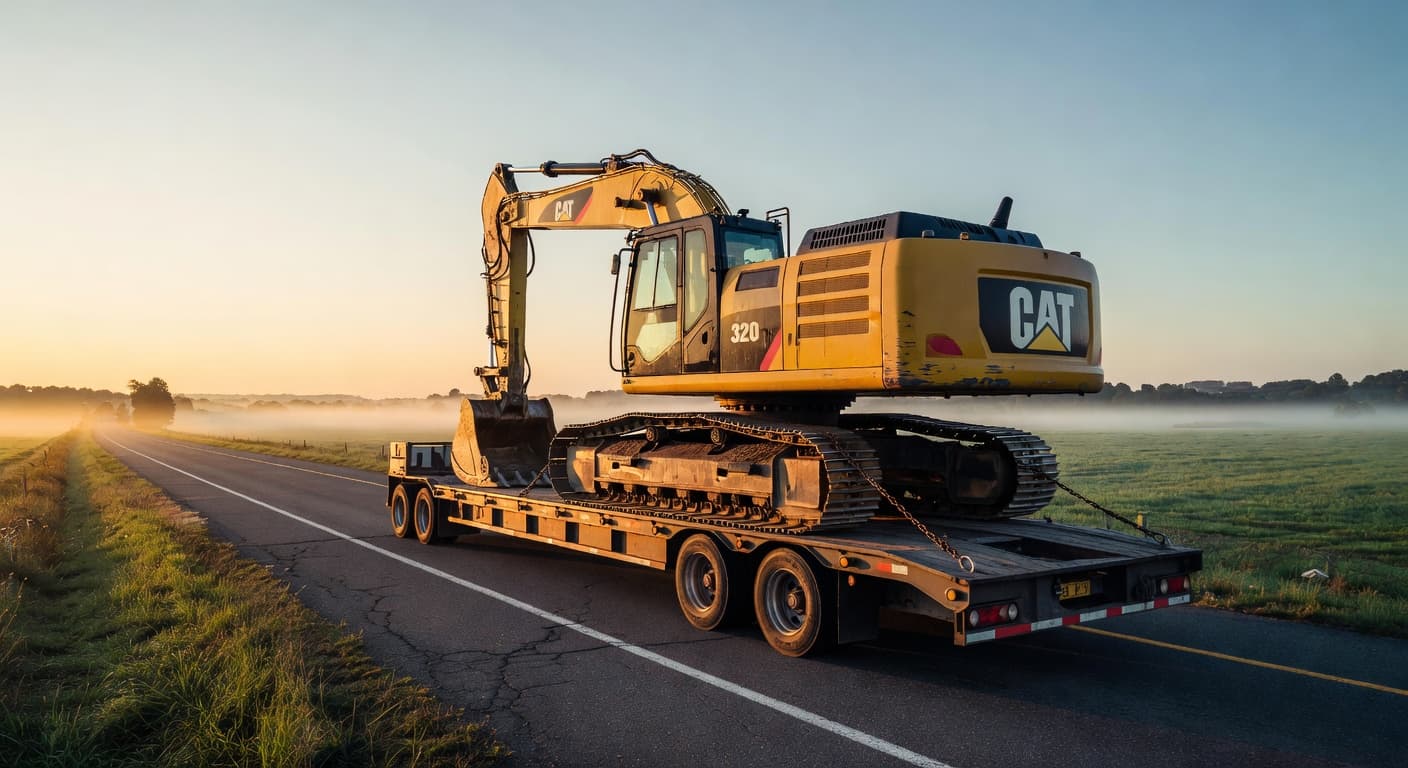
Typically covers heavy machinery like excavators, loaders, and generators against theft or damage at job sites and between them.

Installation Floater
Can help cover materials and fixtures from the moment you buy them until they are installed and accepted at a project.

Builders Risk
May cover a structure under construction, along with materials on site, against damage from fire, wind, theft, and vandalism.
Inland Marine Insurance Cost in Richmond
Average Cost in Virginia
$20 - $110
per month
Businesses in Virginia typically see inland marine insurance premiums of $20 - $110 per month, which tends to run 8% above the national range of $20 - $100 per month.
- Total insured value of the scheduled property
- Type and age of the equipment
- Where it is stored and how far it travels
- Jobsite security and theft prevention
- Per-item limits and deductibles
- Prior theft and in-transit losses
Contact CPK Insurance for a personalized quote.
Prices shown are general estimates, not guaranteed rates or quotes. Your actual premium will depend on the insurer, coverage selected, business details, location, claims history, and other underwriting factors. Learn about our pricing methodology.
A contractor moving expensive tools through storm-prone parts of the state may pay differently than a small service business carrying lighter mobile property across a shorter route. Climate also matters here because Virginia has significant hurricane and flooding risk, and the disaster history includes recent severe storms and tropical systems that caused billions in estimated damage. That history has led some carriers to tighten underwriting on goods stored in flood-prone counties or transported through coastal corridors during storm season, which means you may face stricter storage requirements or higher deductibles in those areas. The state's strong small-business base also means many policies are tailored to lean operations, where the insured value is often concentrated in a few high-use items. The actual quote will depend on the property list, territory, and selected endorsements, so a personalized comparison is the most reliable way to see real pricing.
Industries & Insurance Needs in Richmond
The local business mix changes who should look closely at this coverage. In the county containing Richmond, the leading sectors by establishment share are professional, scientific, and technical services at 14.7%, retail trade at 12.1%, and other services, except public administration, at 11.6%. So the exposure here is often not bulk freight, but smaller, higher-value property that moves constantly: field laptops, testing gear, cameras, specialized tools, display inventory, and customer items in your care. If that sounds like your operation, ask for a quote built from an itemized equipment schedule and your real transit pattern, not a generic property estimate. The more your business depends on portable equipment or stock away from your main premises, the more important it is to review off-site limits, temporary locations, and any valuation method attached to the property you move.
What Makes Richmond Different
Many buyers in this market are not moving large shipments across long distances. They are moving compact, valuable property between offices, storefronts, client sites, events, and short-term work locations during the same week. The practical review comes down to what travels, who takes custody of it, and whether you need blanket treatment or specifically scheduled property. If your business serves clients on site, installs equipment, stages merchandise off premises, or carries specialized tools that are expensive to replace quickly, the right time to review your policy is before a contract, lease, or busy season exposes the gap.
Our Recommendation for Richmond
Start with a property map of your week. Walk through what stays at your main location, what rides in vehicles, and what sits at temporary sites. Then separate ordinary tools from the items that would interrupt revenue if they were stolen or damaged. If you have portable electronics, testing equipment, photography gear, installation tools, or display stock, ask whether those items should be specifically scheduled rather than folded into a broad estimate. Replacement cost and actual cash value can produce very different claim checks, so confirm which basis your policy uses before you bind. If a landlord, client, or contract requires evidence of coverage, request sample certificates before binding so you know the paperwork matches the job. If a policy question turns on Virginia filing or form language, the Virginia Bureau of Insurance is the regulator, but your immediate task is simpler: align the policy with what actually leaves your door this month.
Get Inland Marine Insurance in Richmond
Enter your ZIP code to compare inland marine insurance rates from carriers in Richmond, VA.
Business insurance starting at $25/mo
FAQ
Frequently Asked Questions
The key issue is not the street address on your declarations page, but whether your policy follows property while it is moving or temporarily stored off premises.
Start with the items that create the biggest interruption if lost: display inventory, point-of-sale equipment, tablets, and any stock that regularly travels to events or temporary selling locations. A schedule works best when it reflects the specific items you load into the van on event day.
Richmond has a strong professional, scientific, and technical services presence, at 14.7% of establishments in the county. In practical terms, roughly one in seven local businesses is the kind of firm where laptops and testing gear walk out the door every morning, which makes portable electronics a common reason to review policy terms instead of relying only on fixed-location property coverage.
Bring an equipment list, approximate values, and a short note on where items are stored overnight and how often they move between sites. That lets the quote reflect the actual routes and storage patterns your crew follows, not a generic estimate tied to your business address.
With roughly 6,441 business establishments in the county, work often starts through leases, vendor setups, and subcontracted jobs that require cleaner documentation. If your property travels, ask for certificates and a coverage review before the contract date, not after a loss.
In Virginia, it may help cover business property that moves over land, including tools, equipment, materials, and goods being transported between locations, subject to your carrier's form and exclusions. The key is that the property is not limited to your fixed business address.
It is designed to follow covered property while it is away from your main location, including job sites and temporary storage. In Virginia, you should confirm the carrier's wording because storage conditions and location details can affect how the policy responds.
Contractors, electricians, plumbers, landscapers, photographers, caterers, IT service providers, and other businesses that move valuable property regularly are common Virginia buyers. Businesses that ship goods or hold customer property may also need it.
Sources
- 1.U.S. Census Bureau, County Business Patterns, Richmond city(In the county containing Richmond, there are 6,441 business establishments, so landlords, clients, and upstream contractors often expect cleaner schedules of equipment and clearer proof of coverage before work starts.; In the county containing Richmond, the leading sectors by establishment share are professional, scientific, and technical services at 14.7%, retail trade at 12.1%, and other services, except public administration, at 11.6%.)
- 2.Virginia Bureau of Insurance(If a policy question turns on Virginia filing or form language, the Virginia Bureau of Insurance is the regulator.)
Updated July 16, 2026





