








































Updated July 5, 2026

Commercial Truck Insurance in Virginia Beach
A coastal storm pushes water across low roads before sunrise, and one stalled box truck turns a normal delivery day into a towing bill, missed stops, and a cargo dispute. That is the local version of why commercial truck insurance in Virginia Beach deserves a closer review. Here, your exposure is not just highway mileage. It is wet pavement near the oceanfront, wind-driven weather that can sideline parked units, and service routes that mix retail deliveries, restaurant supply runs, and contractor pickups in the same week. The county that contains Virginia Beach has 11,777 business establishments, so a lot of local trucking work starts with short-haul appointments, vendor deadlines, and proof of coverage requests before freight moves. If your operation serves stores, hospitality accounts, or professional clients with time-sensitive equipment, a delay can create both auto and customer-contract problems. Review hired and non-owned auto, physical damage, cargo, and downtime-sensitive deductibles against where your trucks park, what they carry, and how often drivers work coastal routes versus inland lanes before you request quotes.
Commercial Truck Insurance Risk Factors in Virginia Beach
Coastal weather is the difference-maker here. The state fact pack flags natural hazards as a real Virginia exposure, and for a truck operation near the shoreline that usually means you should look harder at **physical damage**, comprehensive deductibles, and where units sit after hours. A truck that is fine on an inland route can become a different risk if it is parked in an open lot, left near low-lying access roads, or dispatched during heavy rain and wind. That matters even more if you run box trucks, food distribution vehicles, contractor pickups with attached equipment, or service vans carrying tools that are hard to replace quickly. Ask for a quote built around garaging location, overnight parking practice, seasonal surge periods, and whether trailers or equipment stay attached when not in use. If a storm interruption would force you to rent substitute units or reshuffle loads, review those contingencies before renewal, not after a loss.
Virginia has a moderate climate risk rating. Top hazards: Hurricane (High), Flooding (High), Severe Storm (Moderate), Winter Storm (Moderate). The state's expected annual loss from natural hazards is $1.2B, which influences commercial truck insurance premiums and may affect coverage availability in high-risk areas.
What Commercial Truck Insurance Covers
Commercial truck insurance coverage in Virginia is built around the way your truck actually operates, not just the vehicle itself. For Virginia trucking businesses, the core options usually include motor carrier liability, physical damage, cargo insurance, trailer interchange, and coverage for off-dispatch use. Motor carrier liability addresses the liability exposures tied to hauling freight under a carrier's authority, while physical damage helps protect the truck itself after a collision or other covered loss. Together, these form the foundation of most trucking policies, but the specifics depend on your operation.
Cargo coverage is separate and is designed for goods in transit, which matters for freight moving through ports, distribution centers, and long-haul corridors across the state. Trailer interchange can matter if you use trailers that belong to another party under a written agreement. The state's commercial auto minimums apply, yet trucking operations may need higher limits because federal freight requirements can be higher and shipper contracts may ask for more.
Virginia is regulated by the Virginia Bureau of Insurance, so your policy should be reviewed for the exact wording of liability, cargo, and endorsement terms rather than assumed from a national brochure. Coverage can vary by truck type, freight type, and operating pattern, and that matters for owner-operators, regional fleets, and local haulers alike.
Coverage Included

Motor Carrier Liability
Can help cover injuries and property damage your truck causes to others, a coverage federal regulators require most for-hire carriers to maintain.
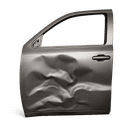
Physical Damage
Can help pay to repair or replace your own truck after an accident, fire, theft, or vandalism.
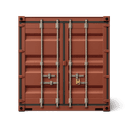
Cargo Coverage
May pay for damage to or theft of the freight you are hauling while it is in your care.
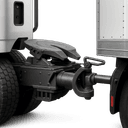
Trailer Interchange
Can help cover damage to trailers you haul under an interchange agreement but do not own.

Bobtail Coverage
May provide liability protection when you drive your tractor without a trailer attached, such as after dropping off a load.

Non-Trucking Liability
Can help cover accidents that happen when you use your truck for personal errands rather than dispatched work.
Commercial Truck Insurance Cost in Virginia Beach
Average Cost in Virginia
$350 - $1,025
per month
Businesses in Virginia typically see commercial truck insurance premiums of $350 - $1,025 per month, which tends to run 10% below the national range of $400 - $1,125 per month.
- Radius of operation
- Commodities hauled and cargo value
- Number and value of power units
- Driver motor vehicle records and CDL experience
- DOT safety record, inspections, and FMCSA scores
- Liability limits and physical damage deductibles
Contact CPK Insurance for a personalized quote.
Prices shown are general estimates, not guaranteed rates or quotes. Your actual premium will depend on the insurer, coverage selected, business details, location, claims history, and other underwriting factors. Learn about our pricing methodology.
Virginia commercial truck insurance cost is shaped by the state's active market and by the specific risk profile of your operation. Pricing can vary widely per truck per month, while the broader product benchmark sits in a similar range per truck per month. That puts Virginia close to the national pattern, which fits the state's premium index of 96. In practical terms, you can expect Virginia premiums to land within a few percent of what you would pay in most other states. A quote can move up or down based on coverage limits and deductibles, claims history, location, industry or risk profile, and policy endorsements.
Hurricanes, flooding, severe storms, and winter storms all appear in the state risk profile. Recent disaster history includes severe storms and tornadoes in 2024, a hurricane or tropical storm event in 2023, spring flooding in 2022, and an ice storm in 2021. That risk environment can influence underwriting for fleets that stage equipment in coastal areas, move freight through flood-prone routes, or park tractors and trailers in open yards.
Claims behavior also matters. Virginia's average claim cost is $22,700. A single at-fault accident at that level can exhaust low liability limits, so model your out-of-pocket exposure before you pick a deductible. Reckless driving, lane departure, drowsy driving, weather conditions, and following too closely are among the top accident causes in Virginia. Those trends can affect pricing for long-haul and regional trucking more than for short-radius local work. Because Virginia has a large and active insurance market, you may see meaningful variation in a quote, especially when comparing carriers, deductibles, and endorsements.
Industries & Insurance Needs in Virginia Beach
Local demand is shaped less by long-haul freight concentration and more by the mix of businesses your trucks serve day to day. In the county containing Virginia Beach, the leading establishment shares are professional, scientific, and technical services at 12.2%, retail trade at 12.1%, and accommodation and food services at 11.3%. That mix matters because it points to frequent local delivery patterns, service calls, and scheduled vendor stops rather than one uniform trucking profile. If you deliver inventory to retailers, food and supplies to hospitality accounts, or equipment to office and technical clients, your policy should be reviewed for loading and unloading exposure, cargo sensitivity, driver radius, and whether employees ever use personal vehicles for business errands. The more your routes depend on appointment windows and customer premises access, the more important it is to match liability limits and vehicle schedules to the actual work each truck performs.
What Makes Virginia Beach Different
Coastal interruption is what changes the calculus here. In many markets, a truck policy review starts and ends with vehicle type, driver history, and radius. Around this shoreline, you also need to think about what happens when weather disrupts parking, dispatch timing, and customer access all at once. A minor inland rain event can become a local claims issue if roads flood, wind damages parked units, or a delayed delivery triggers a contract problem with a store, hotel, or jobsite. That is why a thin city-level review still matters even when the Virginia rules are already handled on the state page. Your buying decision should focus on where trucks are kept, whether trailers are exposed overnight, how often drivers work coastal versus inland stops, and which loads create the biggest downstream cost if they arrive late or damaged. Those details often matter more here than broad statewide averages.
Our Recommendation for Virginia Beach
Start with your parking map, not just your vehicle list. If units rotate between a yard, employee homes, and customer sites, ask each quoting carrier to rate the operation on the real garaging and overnight storage pattern. Next, separate trucks by job type. A pickup hauling tools to service calls, a refrigerated unit making hospitality deliveries, and a straight truck handling retail drops should not automatically carry the same deductibles or cargo assumptions. If you use employee cars for errands or supervisor visits, review hired and non-owned auto instead of assuming the truck policy solves that gap. The local median household income is $90,685, so many customers and commercial clients here have property, equipment, or inventory values worth protecting, and a vehicle claim can escalate quickly when a loss affects a higher-value delivery or jobsite. Before you bind coverage, ask for certificate turnaround expectations, claim reporting steps, and a side-by-side comparison of physical damage deductibles.
Get Commercial Truck Insurance in Virginia Beach
Enter your ZIP code to compare commercial truck insurance rates from carriers in Virginia Beach, VA.
Business insurance starting at $25/mo
FAQ
Frequently Asked Questions
Virginia Beach operators should review physical damage, comprehensive deductibles, and overnight parking details first. Coastal weather can change the severity of a parked-unit loss, so your quote should match where trucks, trailers, and attached equipment actually sit after hours.
Virginia Beach area fleets often serve dense local appointment schedules. The county containing Virginia Beach has 11,777 business establishments, so missed stops, customer premises exposure, and certificate requests can matter as much as highway mileage when you structure coverage.
Virginia Beach demand often comes from retail, hospitality, and service clients with fixed delivery windows. In the county containing Virginia Beach, leading sectors include professional services, retail trade, and accommodation and food services, so route type and cargo purpose should be reviewed carefully.
Virginia Beach businesses should ask whenever employees or owners sometimes use personal vehicles for pickups, bank runs, or client visits. That exposure sits outside a simple scheduled-truck discussion and is worth reviewing alongside your main commercial auto policy.
Virginia Beach policies are regulated at the state level through the Virginia Bureau of Insurance. If you are comparing quotes, use that as a reminder to verify forms, endorsements, and complaint-handling steps, then focus on the local operating details that change your risk.
Your policy can be built around motor carrier liability, physical damage, cargo coverage, trailer interchange, and protection for off-dispatch use. The mix depends on whether you run local, regional, or long-haul freight, and your policy should reflect how your authority and hauling arrangement actually work.
Virginia's commercial auto minimums are $50,000/$100,000/$25,000 (raised effective January 1, 2025), but trucking buyers often need higher liability limits because freight contracts and hauling arrangements can require more than the state minimum.
Cost per truck in Virginia varies by limits, deductibles, claims history, location, risk profile, and endorsements. Average pricing runs about $350 to $1,025 per truck per month, though your actual quote depends on your specific operation and freight profile.
Sources
- 1.U.S. Census Bureau, County Business Patterns, Virginia Beach city(The county that contains Virginia Beach has 11,777 business establishments, so a lot of local trucking work starts with short-haul appointments, vendor deadlines, and proof of coverage requests before freight moves.; In the county containing Virginia Beach, the leading establishment shares are professional, scientific, and technical services at 12.2%, retail trade at 12.1%, and accommodation and food services at 11.3%.)
- 2.U.S. Census Bureau, ACS 5-Year Estimates, table B19013(The local median household income is $90,685, so many customers and commercial clients here have property, equipment, or inventory values worth protecting, and a vehicle claim can escalate quickly when a loss affects a higher-value delivery or jobsite.)
- 3.Virginia Bureau of Insurance(Virginia Beach policies are regulated at the state level through the Virginia Bureau of Insurance.)
Updated July 5, 2026





