Updated July 16, 2026

Dealer Open Lot Insurance in Virginia Beach
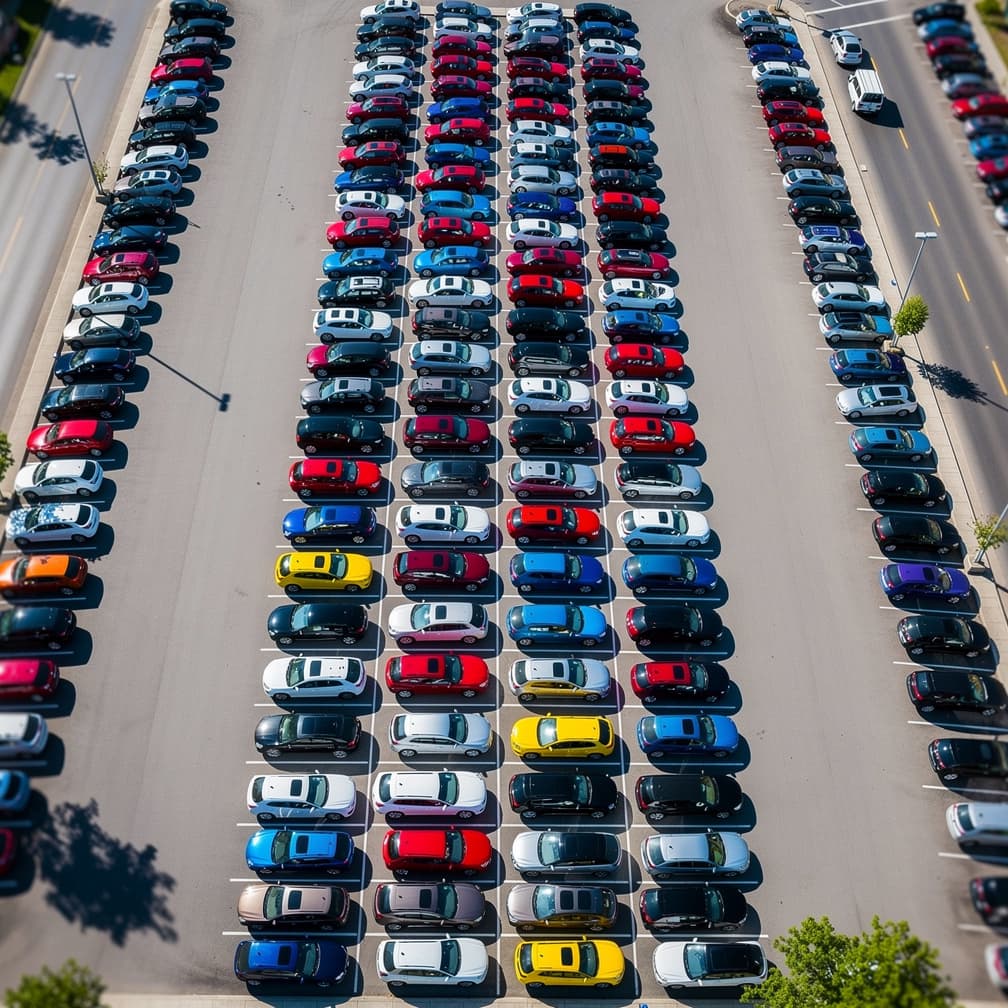
Your lot more likely sits near dense retail corridors, service businesses, and customer traffic that change how inventory is seen, accessed, and moved day to day. The county supports 11,777 business establishments, which means more neighboring traffic, more shared access points, and more people near your inventory than a standalone rural lot would see. When you map where vehicles are displayed, where keys are kept, and how quickly you can document a loss by location, the layout itself becomes a coverage question. A local buyer tends to notice presentation and vehicle mix differently. You may carry newer or higher-trim inventory to match demand, so limits, reporting values, and any gap between book values and actual asking prices warrant careful attention before stock turns over. If your operation runs a main lot plus temporary overflow, or rotates vehicles between visible frontage and back-line storage, ask for a quote built around those exact addresses, storage habits, and inventory values rather than a generic dealer profile.
Dealer Open Lot Insurance Risk Factors in Virginia Beach
Local weather exposure is the physical issue to review most carefully here. The state page already covers Virginia coastal risk in general, but for a Virginia Beach lot the practical question is operational: which units stay fully exposed outside, which ones sit on lower pavement, how fast staff can reposition inventory, and whether your loss documentation process is ready before a storm watch turns into a claim. That affects more than catastrophe planning. It also changes how you should schedule locations, confirm maximum values at each address, and review whether temporary storage or overflow areas are treated the way you expect under the policy terms. If vehicles are regularly parked in more than one area, build a simple **pre-storm checklist** now: current inventory counts by location, photo standards, key control, and who has authority to move units. That preparation can make a claim easier to support when conditions change quickly.
Virginia has a moderate climate risk rating. Top hazards: Hurricane (High), Flooding (High), Severe Storm (Moderate), Winter Storm (Moderate). The state's expected annual loss from natural hazards is $1.2B, which influences dealer open lot insurance premiums and may affect coverage availability in high-risk areas.
What Dealer Open Lot Insurance Covers
In Virginia, the useful coverage conversation usually starts with location and movement, not a generic description of inventory risk. A dealer near the coast may need closer review of wind-driven weather exposure, while an inland operation may focus more on hail, falling objects, runoff, or theft after business hours. If you rotate units between a front sales lot, a reconditioning area, and an overflow parcel, those details matter because the policy needs to follow how inventory is actually stored and handled.
It is also worth reviewing how the form treats vehicles during ordinary dealership activity. That includes units parked tightly for display, vehicles moved for service or detailing, and inventory shifted to temporary storage during lot work or peak buying periods. When your operation depends on offsite storage, ask whether every address is scheduled correctly and whether any sublimits or conditions apply away from the main premises. A quote that ignores those details can leave you sorting out location questions after a loss instead of before one.
Virginia weather patterns make cause-of-loss wording worth reading carefully. Rather than assuming broad language means every outdoor exposure is handled the same way, ask your agent to walk through named causes of loss, exclusions, deductibles, and any special treatment for flood-prone or wind-exposed locations. If your lot sits near trees, low-lying pavement, or older fencing, mention that during quoting so protective measures and site conditions are reflected accurately.
The Virginia Bureau of Insurance regulates insurance in the state. In practical terms, that means the policy forms, endorsements, and rate structures carriers use here have been filed with and approved by a state agency. For you, that means if a dispute arises over claim handling or policy wording, you have a formal complaint channel and a set of standards the carrier must meet. When you compare forms or endorsements, you are comparing documents that operate within that framework.
Coverage Included

Weather Damage
Covers hail, wind, flood, and storm damage to lot inventory.

Theft Protection
Covers vehicles stolen from your lot.

Fire Damage
Covers fire and explosion damage to inventory vehicles.

Vandalism
Covers intentional damage to vehicles on your lot.
Test Drive Coverage
Covers vehicles during customer and employee test drives.
Transit Coverage
Covers vehicles being moved between lot locations.
What Makes Virginia Beach Different
Surrounding commerce density changes the calculus here. In the county containing Virginia Beach, the leading sectors by establishment share are professional, scientific, and technical services at 12.2%, retail trade at 12.1%, and accommodation and food services at 11.3%. That mix means many dealers operate near shopping, dining, and service destinations that keep parking areas active well beyond a simple sales appointment pattern. Your exposure review should focus on how inventory is positioned during business hours, after-hours visibility from nearby traffic, and whether customer parking, service traffic, or neighboring activity pushes vehicles into secondary spaces. A lot that reads as straightforward on paper can behave very differently once weekend traffic, shared access points, and overflow parking are in play. Ask your agent to review the actual layout, not just the inventory count, and be specific about frontage display, rear storage, fencing, lighting, and any routine movement between addresses.
Our Recommendation for Virginia Beach
Start with a location-by-location inventory map. If you use one sales lot, one overflow area, or any off-site storage, list each address with the usual vehicle count, the highest total value you expect there, and who controls keys after hours. That gives the underwriter a truer picture than a single combined estimate ever could. Then compare your reported inventory values against how you actually price vehicles. Better-equipped units make sense in this market, but undervaluing stock on the application can leave you short when a loss is adjusted. Before you request a quote, bring photos, addresses, and a current inventory list. Ask about temporary moves, storm preparation, and claim documentation expectations so you know how a relocated unit is treated before you need the answer.
Get Dealer Open Lot Insurance in Virginia Beach
Enter your ZIP code to compare dealer open lot insurance rates from carriers in Virginia Beach, VA.
Business insurance starting at $25/mo
FAQ
Frequently Asked Questions
Lot layout matters because nearby commercial activity can change how inventory is parked, accessed, and monitored. With 11,777 business establishments in the county containing Virginia Beach, shared access, overflow parking, and high-visibility frontage each carry real exposure that warrants careful attention.
If your inventory skews newer or better equipped, take time to review limits and reported values against actual asking prices. Local household income can support higher-value units, so your reported values should stay aligned with what you actually sell for.
Describe overflow storage by exact address, usual vehicle count, maximum total value, and how often units move between locations. Your quote can then reflect your real storage pattern instead of assuming every vehicle stays on one main lot.
Keep current inventory counts by location, dated photos, key-control procedures, and a written plan for moving units. That documentation can make it easier to support a claim if vehicles are relocated or damaged during severe weather.
Policyholders with unresolved insurance questions may look to the Virginia Bureau of Insurance. Use that only after you have reviewed the policy language, location schedule, and claim facts with your agent or carrier representative first.
Yes, if vehicles are stored away from your main sales lot. Get that overflow address reviewed during quoting so your policy reflects where inventory actually sits, especially when values shift between locations during busy periods.
Virginia coastal locations can change how underwriters look at wind, water-related exposure, deductibles, and site protection. If your lot is near the coast, ask for a location-specific review instead of assuming the same terms used for an inland address.
Virginia insurance is regulated by the Virginia Bureau of Insurance. If you are comparing policy forms, endorsements, or complaint procedures, keep your review tied to Virginia-regulated terms and documentation.
Sources
- 1.U.S. Census Bureau, County Business Patterns, Virginia Beach city(The county containing Virginia Beach supports 11,777 business establishments; The leading sectors by establishment share are professional, scientific, and technical services at 12.2%, retail trade at 12.1%, and accommodation and food services at 11.3%)
- 2.Virginia Bureau of Insurance(The Virginia Bureau of Insurance handles insurance regulation in Virginia)
Updated July 16, 2026