
Updated July 16, 2026

Homeowners Insurance in Virginia Beach
With a median home value of $366,300, your policy may need more attention to dwelling limits than a quick online estimate provides. If your current policy still tracks an older purchase price, it may not keep pace with what it would take to repair or rebuild after a serious loss. That gap widens if you have upgraded kitchens, baths, roofing, or outdoor structures. Local buyers often do better when they review Coverage A, other structures, personal property, and loss of use together instead of shopping on premium alone.
Virginia has a moderate climate risk rating. Top hazards: Hurricane (High), Flooding (High), Severe Storm (Moderate), Winter Storm (Moderate). The state's expected annual loss from natural hazards is $1.2B, which influences homeowners insurance premiums and may affect coverage availability in high-risk areas.
What Homeowners Insurance Covers
A homeowners policy is built around dwelling coverage, personal property, liability, and additional living expenses, with other structures and medical payments typically included as part of the package. For your home, dwelling coverage should be based on reconstruction cost, not market value, because local labor and material costs can affect what it actually takes to rebuild. Other structures coverage matters for detached garages, sheds, and fences, which can be important in older neighborhoods and suburban lots across the state.
The state says standard policies exclude flood damage, so flood insurance must be purchased separately through NFIP or a private flood insurer. That is especially relevant because top hazards include hurricanes and flooding, and recent years have brought Hurricane and Tropical Storm declarations, spring flooding, and severe storms that have led to major repair costs for homeowners. Wind or hurricane deductibles may also apply separately in coastal areas, so the amount you pay after a storm can differ from your standard deductible.
The Bureau of Insurance regulates the market, but it does not hand every homeowner the same form. That means endorsements and exclusions can vary by carrier, especially for wind, water backup, or higher-value homes. Personal property coverage should be reviewed carefully if you keep electronics, furniture, or valuables at home, and additional living expenses coverage can help if a covered loss forces you to live elsewhere while repairs are completed. Medical payments coverage is also worth checking because it can respond to minor injuries on the property, separate from liability coverage.
Coverage Included

Dwelling
Repairs or rebuilds your home itself, the walls, roof, floors, built-in appliances, and attached structures like a garage, after a covered loss. Set this limit to the full cost of rebuilding, not market value.
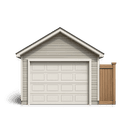
Other Structures
Detached structures on your property, such as a fence, shed, detached garage, or gazebo. Usually set at about 10 percent of your dwelling limit [2].

Personal Property
Your belongings, furniture, clothing, electronics, and appliances, generally written at 50 to 70 percent of your dwelling limit [2]. High-value items like jewelry and art carry special limits.

Additional Living Expenses
Also called loss of use. Pays your added living costs, hotel stays, meals, and a temporary rental, while a covered loss makes your home uninhabitable. Usually set at about 20 percent of your dwelling limit.

Liability
Covers you if someone is injured on your property, or you damage someone else's property, and you are found responsible. The standard $100,000 limit [2] is often raised to $300,000 or $500,000.

Medical Payments
Pays small medical bills, commonly $1,000 to $5,000, if a guest is hurt at your home regardless of fault, without a formal liability claim.
Homeowners Insurance Cost in Virginia Beach
Average Cost in Virginia
$75 - $220
per month
In Virginia, homeowners insurance premiums typically run $75 - $220 per month, which tends to run 18% below the national range of $110 - $250 per month.
- Home replacement cost, age, and construction type
- Roof age, material, and condition
- ZIP code and local weather risk (wind, hail, wildfire, hurricane)
- Coverage limits and endorsements
- All-peril and percentage wind/hail deductibles
- Claims history and insurance score where allowed
Typical range for many standard homeowners profiles; lower-risk homes fall below it and coastal, wildfire, or older-roof homes can run well above. Final pricing depends on property details, location, underwriting, and selected coverage.
Prices shown are general estimates, not guaranteed rates or quotes. Your actual premium will depend on the insurer, coverage selected, personal details, location, claims history, and other underwriting factors. Learn about our pricing methodology.
The cost of homeowners insurance is influenced by the state's moderate risk profile, close-to-national-average pricing, and the specific exposure of your home. Premiums can vary widely based on the home and its storm exposure, so most owners should expect pricing within a familiar range but with meaningful variation based on their property. That spread reflects differences in dwelling coverage, deductibles, claims history, location, and endorsements.
Pricing is shaped by several local factors. The state faces high hurricane and flooding risk, with severe storms and winter storms as recurring concerns. Homes in coastal or storm-prone areas may see separate wind or hurricane deductibles, and homes with older roofs or certain materials can be priced differently because roof condition factors into dwelling cost. Local construction costs and labor rates also have a high impact, which matters in a state where median home value can affect how much coverage you need to rebuild.
That competition can help create quote variation, so a homeowners insurance quote should be compared on coverage limits, deductibles, endorsements, and not only on premium. Pricing sits close to the national average, but your home's location and storm exposure can move the number up or down. Claims history and policy endorsements also affect the final price, so a lower quote is not always the same policy value if it trims dwelling, personal property, or additional living expenses coverage.
What Makes Virginia Beach Different
A median home value of $366,300 does not tell you what your insurer can help pay on a claim, but if your limits have not been revisited in a few years, the gap between coverage and actual rebuild cost can grow quietly. That matters even more if you bought before recent appreciation or have added features that raise replacement expectations. Updated finishes, fencing, sheds, screened porches, and larger detached garages each add real replacement cost that your dwelling limit needs to account for. The real question is whether your dwelling limit, ordinance or law coverage, and deductible still fit the home as it stands today, not just what the premium costs. For many households, the better buying move is to treat renewal like a property review, not an auto-renewal. Start by pulling your declarations page, then note any renovations and confirm how detached structures are scheduled. From there, ask for side-by-side quotes with more than one deductible so you can see the tradeoff clearly.
Our Recommendation for Virginia Beach
Open your declarations page and check whether the dwelling limit still reflects the house you own now, not the one you bought years ago. If you have finished space over a garage, a workshop, a pool enclosure, or upgraded exterior materials, ask how each feature is being reflected. Next, review water-related endorsements carefully and do not assume every source of water damage is handled the same way under one form. If you run a business from home, even part time, that deserves a separate conversation. The county containing Virginia Beach has 11,777 business establishments, which translates to roughly one business for every 14 residents, so if you are among them, your home-based equipment and liability exposure may need coverage beyond what a standard policy includes. If you want a cleaner comparison, request quotes using the same deductible and liability limit across options, then adjust one variable at a time.
Get Homeowners Insurance in Virginia Beach
Enter your ZIP code to compare homeowners insurance rates from carriers in Virginia Beach, VA.
Home insurance starting at $50/mo
FAQ
Frequently Asked Questions
Homeowners should usually review limits after remodeling. With a median home value of $366,300, older policy limits can lag behind the home you have now, especially if you added upgraded finishes, detached structures, or expanded living space. That means a kitchen or bath upgrade could leave you tens of thousands short on a rebuild if your limit still reflects the original construction.
Households that work from home should review business property and liability exposures. In the county containing Virginia Beach, professional, scientific, and technical services account for 12.2% of establishments, a sector where specialized equipment and client interaction are common. That share represents over 1,400 businesses, many operating from residences, so standard personal property limits may fall well short of replacing the gear those operations rely on.
Buyers should not choose a higher deductible on premium alone. A home with more value at stake can make claim recovery harder if the deductible strains your cash flow, so compare savings against what you could comfortably pay after a loss.
Before renewing, walk through your home with a fresh eye and confirm your dwelling limit, detached structures, personal property assumptions, and any recent upgrades are all reflected accurately. A policy that has simply rolled over year after year can quietly drift from what your home actually costs to rebuild, leaving you short at claim time or carrying a deductible you would struggle to pay.
Homes with side businesses often need a closer coverage review. The county containing Virginia Beach has 11,777 business establishments, so if you store tools, inventory, or business electronics at home, ask how your policy treats those items. With roughly one business for every 14 residents, many of your neighbors are in the same situation, and standard policies typically cap business property at a few thousand dollars, which may not cover a single laptop and inventory shipment.
A standard policy may cover dwelling, personal property, liability, additional living expenses, other structures, and medical payments, but the exact terms vary by carrier. It may help with home damage, theft, fire, wind, and other covered perils, while flood damage is excluded and must be insured separately.
Cost depends on coverage limits, deductibles, claims history, location, and endorsements. Quotes can vary widely based on the home and its storm exposure.
Mortgage lenders usually require proof of homeowners insurance even though the state does not legally require every homeowner to carry it. Lenders often focus on enough dwelling coverage to protect the home securing the loan.
Sources
- 1.U.S. Census Bureau, ACS 5-Year Estimates, table B25077(Virginia Beach has a median home value of $366,300, so underinsuring the structure can become expensive fast if your limits have not been revisited in a few years.)
- 2.U.S. Census Bureau, County Business Patterns, Virginia Beach city(The county containing Virginia Beach has 11,777 business establishments, with professional, scientific, and technical services at 12.2%, retail trade at 12.1%, and accommodation and food services at 11.3%, so home-based work, stored inventory, and client equipment are common enough to review before a loss exposes a gap.)
Updated July 16, 2026